
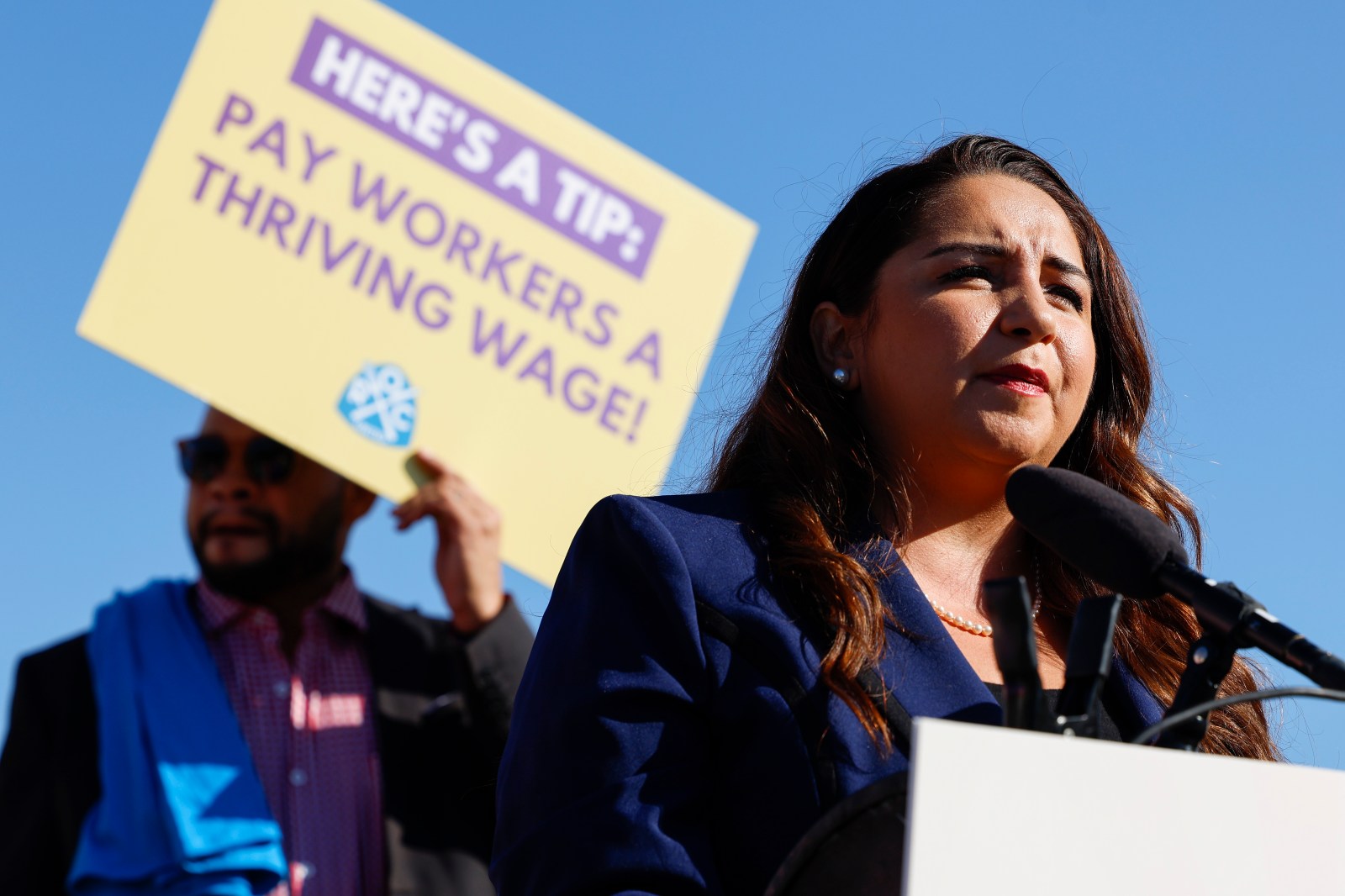
Introduction of the Living Wage for All Act
A bill aimed at raising the federal minimum wage to $25 an hour is under discussion in Congress for nearly six months, facing a shrinking period to advance before the legislative session concludes. The Living Wage for All Act, or H.R. 8555, was introduced by Illinois Democratic Representative Delia Ramirez on April 28. It intends to incrementally raise the federal minimum wage over several years, with different timelines for large and smaller employers.
Senator Chris Murphy, a Democrat from Connecticut, announced in June his plans to introduce a Senate version. The lawmakers supporting the bill view it as a significant measure reflecting the true cost of living in the U.S. today. Currently, the federal minimum wage stands at $7.25 an hour, unchanged since 2009.
Details of the $25 Minimum Wage Proposal
The proposed legislation would elevate the minimum wage gradually, reaching $25 an hour by 2031 for large employers and by 2038 for other employers. Large employers, defined as those with a minimum annual revenue of $1 billion or employing at least 500 nationwide, will need to increase wages incrementally, hitting specific annual objectives. Other employers will follow a slower progression.
The bill would also adjust the minimum wage in accordance with two-thirds of the national median hourly wage, ensuring it remains consistent as median wages fluctuate. It aims to eliminate lower minimum wages for tipped workers, younger employees, and certain workers with disabilities, aligning them with the standard rate over time.
“Today, companies are reporting record-high earnings while working people struggle to survive. Minimum wage is not a living wage. That’s not right.” – Rep. Delia Ramirez
Support and Criticism
This legislation has garnered 32 cosponsors, all Democrats, including Representatives Rashida Tlaib, Ro Khanna, and Pramila Jayapal. Labor unions and advocacy groups endorse the bill, arguing it is essential for workers to meet living costs.
April Verrett, president of the Service Employees International Union, applauds the bill, stating it marks a significant advancement driven by worker demands for better compensation and respect.
Conversely, concerns exist regarding the economic implications of increased labor costs. The right-leaning Employment Policies Institute estimates that a $25 federal minimum wage could cut approximately five million jobs, particularly impacting the hospitality sector and younger workers.
“Sky-high mandates will only make life more unaffordable for millions of Americans.” – Rebekah Paxton, Employment Policies Institute
Current Minimum Wage Context and Legislative Future
Federal minimum wage rates have not risen since 2009, yet many states and localities have established higher rates. As of July 2026, 30 states and the District of Columbia mandate minimum wages exceeding the federal level.
The future of the Living Wage for All Act remains uncertain. With no committee hearings yet, lawmakers must pass the bill before the 119th Congress concludes in January 2027 or reintroduce it in the subsequent session.