
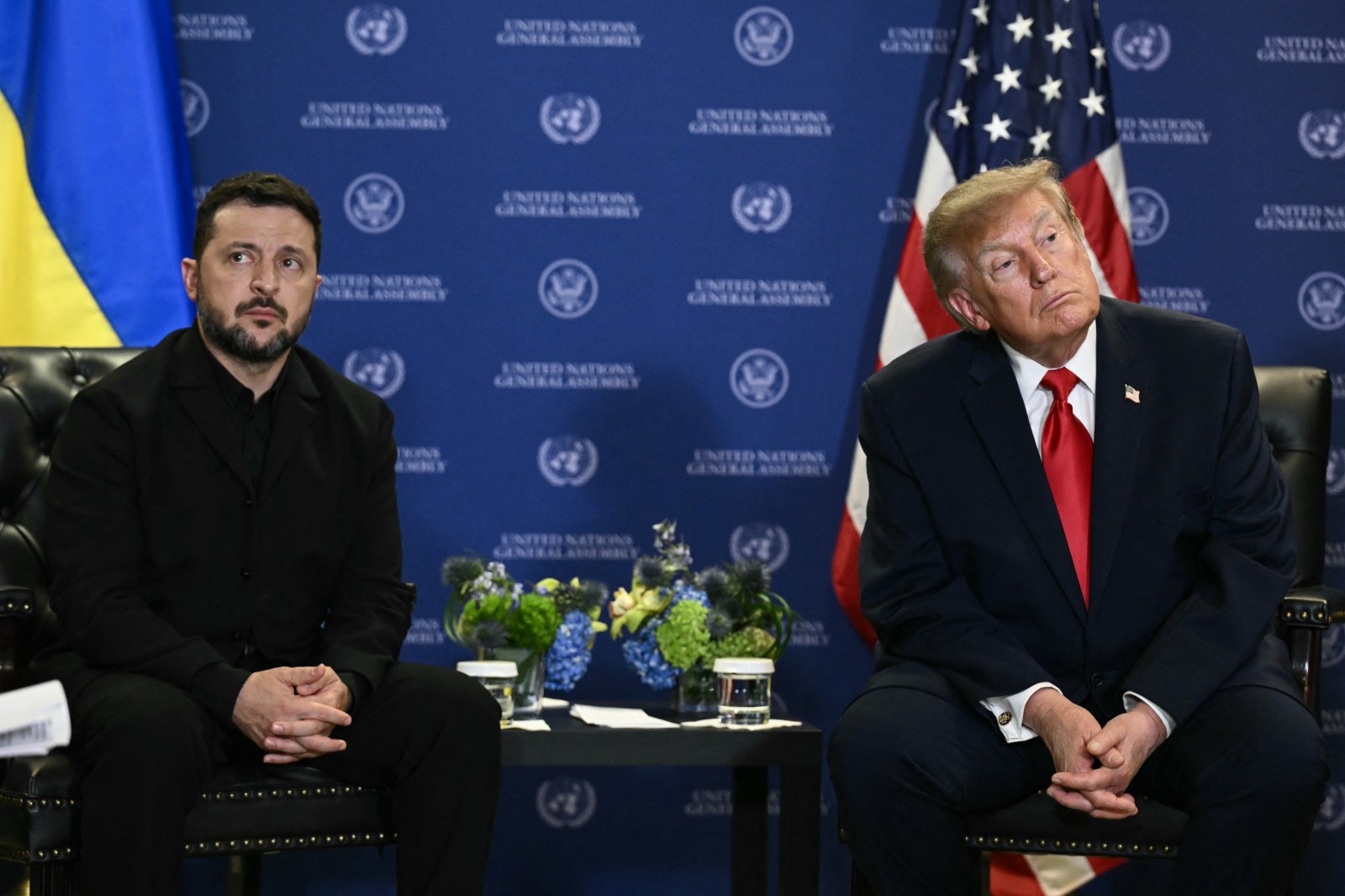
Donald Trump views foreign policy with a businessman’s lens. Allies should earn their way, and foes should face consequences unless a better deal is on the table for America. The mastermind of The Art of the Deal and The Apprentice should recognize when a deal is disadvantageous.
Currently, Vladimir Putin is waging war on Ukraine and challenging Washington’s allies. His operatives spread false news and attempt to manipulate U.S. political discourse through disinformation. Despite these acts, the White House doesn’t rule him out as a key partner to tackle America’s fuel issues.
Trump’s recent agreement to import Russian diesel might favor Putin, disadvantage Ukraine, and offer little gain for America. Yet, Ukraine’s attacks on Russian data centers may have shown why it holds more value as a partner for Washington.
Risky Deal
The diesel deal lacks substance as a strategy for solving the fuel crisis.
After a phone call with Putin, Trump announced Russia’s commitment to supply the U.S. with 300,000 tons of diesel immediately, followed by 500,000 tons in November, and a million more shortly after. The Treasury lifted sanctions until April 2027 to allow these imports.
However, several issues arise. In 2022, Congress banned Russian energy imports until Russia ends hostilities under terms acceptable to Ukraine. Russia has not agreed to these terms, and the Kremlin stated no commitment to peace talks was made during Trump’s call. Trump also did not consult Congress before confirming the deal, prompting bipartisan demands for reversal. Chuck Schumer denounced it as “a deal with the devil.”
The agreement contradicts Trump’s previous insistence that European countries stop purchasing Russian oil. Recently, the Lindsey O. Graham Act sanctions Russia further, yet the president now provides a financial lifeline to the Kremlin.
Despite claims that this maneuver could aid Americans at the pump, the initial Russian diesel shipment is minimal. The U.S. needs 3.6 million barrels daily, while Russia’s initial delivery covers around 15 hours of this demand.
Ukraine remains compromised by this deal. Zelensky indicated readiness to stop strikes on Russian refineries if Russia ceased attacks on Ukrainian facilities. Russia, however, resumed its bombardments. When Zelensky criticized the deal, Trump suggested Ukraine needed leadership change.
Ukraine must thus choose between halting effective military strategies or losing U.S. support while Putin benefits from sanctions mitigation without concessions.
Ukraine’s Countermeasures
While Trump engaged with Putin, Ukraine targeted Russian digital infrastructure. Between October 8 and 11, Ukrainian drones struck Yandex data centers, key to Russia’s digital economy. Reports showed disruption across Yandex’s services, including cloud computing and e-commerce, causing Yandex stocks to drop significantly.
Ukraine demonstrates capability in impacting digital and consumer sectors, making a compelling case as a valuable ally. Moscow invests significantly in online operations to destabilize Western societies, specifically in the U.S.
In 2024, the U.S. Justice Department discovered a Russian bot farm manipulating social media with AI. Authorities seized internet domains connected to Russian efforts to discredit Ukraine and influence U.S. voters.
With the U.S. midterms nearing, Russia continues its disinformation campaigns. Researchers exposed another pro-Russia campaign targeting U.S. politicians with fake reports and manipulated videos. These efforts attempt to skew American political discussions.
Kyiv could use its intelligence and drone capabilities to counteract Russian interference, offering the U.S tangible defense against such campaigns. While Trump might resist help targeting Republican interests, Ukraine’s potential support to shield American democracy stands clear.