
Background and Initial Accusations
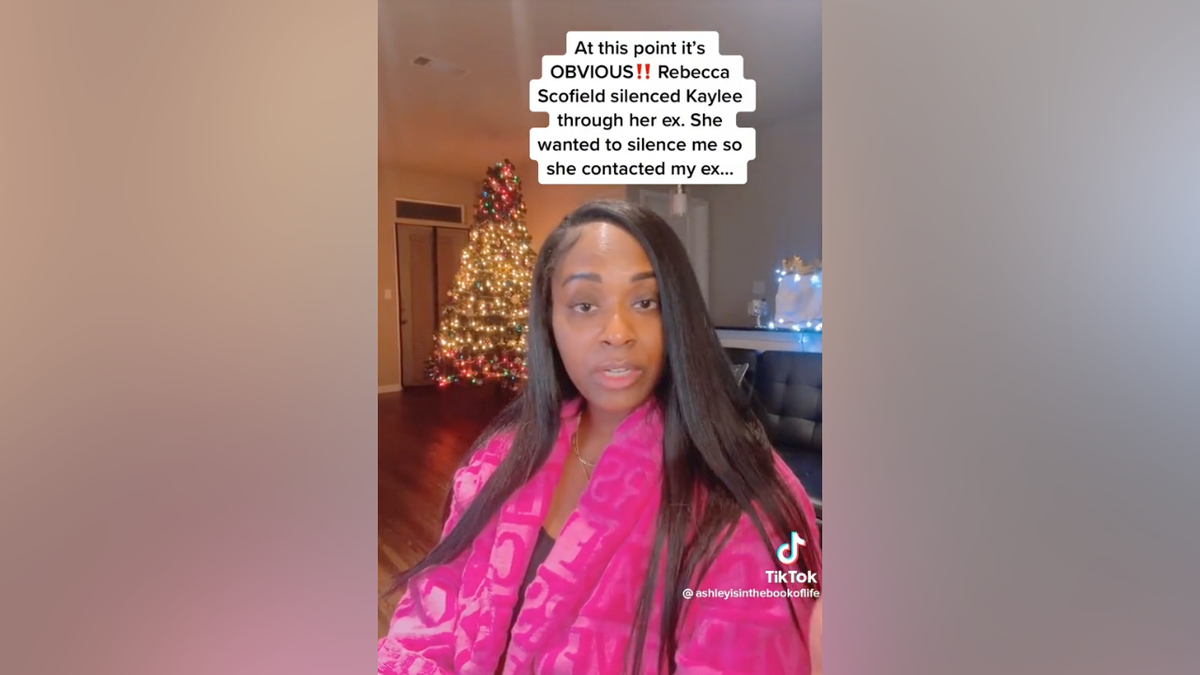
Rebecca Scofield, the history department chair at the University of Idaho, faced unsubstantiated accusations from TikTok psychic Ashley Guillard. Guillard claimed without evidence that Scofield was involved in the murders of four students. The accusations began to surface on TikTok around Thanksgiving, shortly after the tragic events.
Emotional Distress and Impact on Daily Life
In a New York Times op-ed, Scofield discussed the emotional toll the situation took on her and her family. She recounted nights standing guard over her children’s rooms, fearing for their safety. The numerous threatening messages and calls added to her anxiety, and she chose to teach her classes remotely to avoid public exposure.
“I was so afraid for him, so I just sat there at the end of his bed all night and watched him,” she testified in court.
Legal Actions and Consequences
Despite sending a cease-and-desist order, Guillard continued to accuse Scofield even after the arrest of the actual suspect, Bryan Kohberger. A federal jury awarded Scofield $10 million, holding Guillard accountable for the defamation. Guillard has since appealed the decision.
Critique of Social Media and Call for Accountability
Scofield expressed concern about social media’s role in spreading misinformation. She highlighted the lack of accountability for platforms under Section 230, which shields them from many defamation lawsuits. Scofield argues for potential reforms, suggesting that platforms should bear some responsibility for the content they enable.
“If the companies making billions of dollars off these platforms won’t protect us, what other recourse do we have?” she questioned.
Historical Perspective and Closing Thoughts
Scofield also emphasized the historical impact of technological advancements on society, comparing the influence of digital platforms to the printing press and radio. She warned about the rapid dissemination of misinformation and its potential harm.
“Digital platforms rewrite our reality in a much more profound way,” she noted.
Through sharing her story and legal action, Scofield aims to encourage others to contribute to a more accountable online environment.