
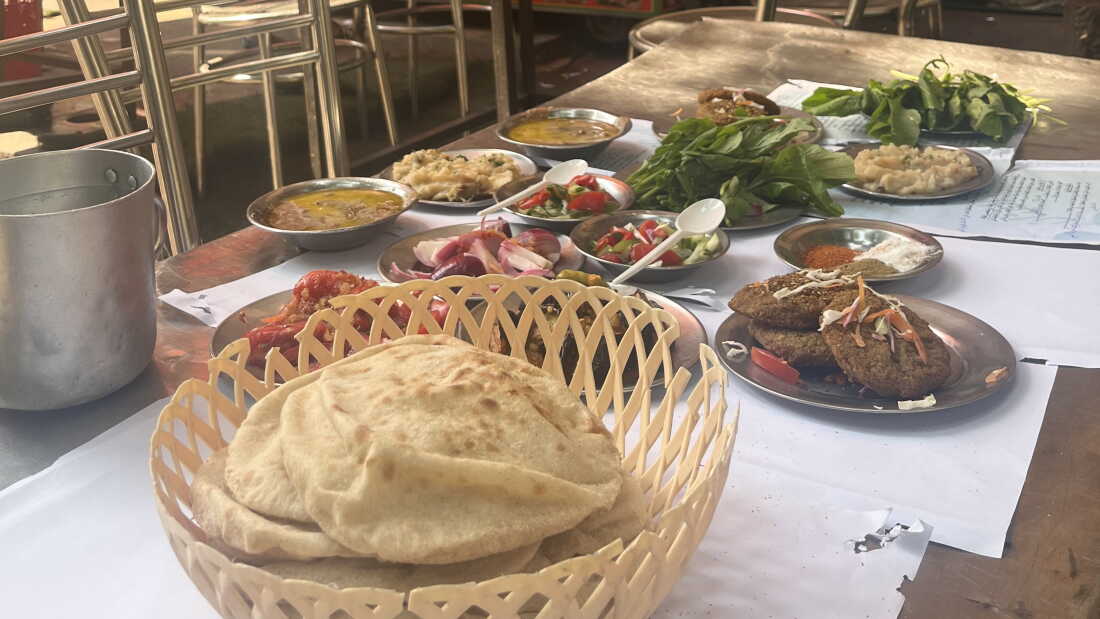
Taamiya, an age-old Egyptian breakfast favorite, remains a staple today. Made from fava beans, these crunchy delights are akin to donut holes. Despite their resemblance to falafel, they differ by using fava beans instead of chickpeas.
One popular spot to enjoy taamiya is Nasser Al Fayoumi, a food cart and eatery in downtown Cairo. This bustling location serves thousands of affordable dishes daily. Marwa Ezzat and Maha Daqaq, visitors to the eatery, relish their breakfast choice of taamiya. The simple setup with metal chairs and tables adds charm to their dining experience.
“They’re crunchy donut hole-sized bites that are nearly identical to falafel.”
Taamiya pairs perfectly with ful medames, a creamy, zesty dish made from mashed fava beans. This combination, called ful wi taamiya in Egypt, offers a balance of textures and flavors. Ful wi taamiya is both a satisfying meal and a cultural symbol.
Fava beans have held cultural significance in Egypt for thousands of years. Ancient Egyptian artifacts depict these beans in offerings to gods. Today, people like 21-year-old Yousef Ahmed keep the tradition alive. Working from a food cart in Cairo, Ahmed creates a paste of fava beans, herbs, and spices like cilantro, dill, and cumin to craft taamiya. Daily, he fries over 4,000 golden balls, serving them hot and fresh to customers.
At Ahmed’s cart, you can enjoy a serving of ful wi taamiya for 10 Egyptian pounds, equivalent to 20 cents. This affordability makes it accessible to many Egyptians, with a significant portion of the population living on limited incomes. The low cost and hearty nature of ful wi taamiya make it a vital part of the local diet.
This article was adapted by Dhanika Pineda for the web.