
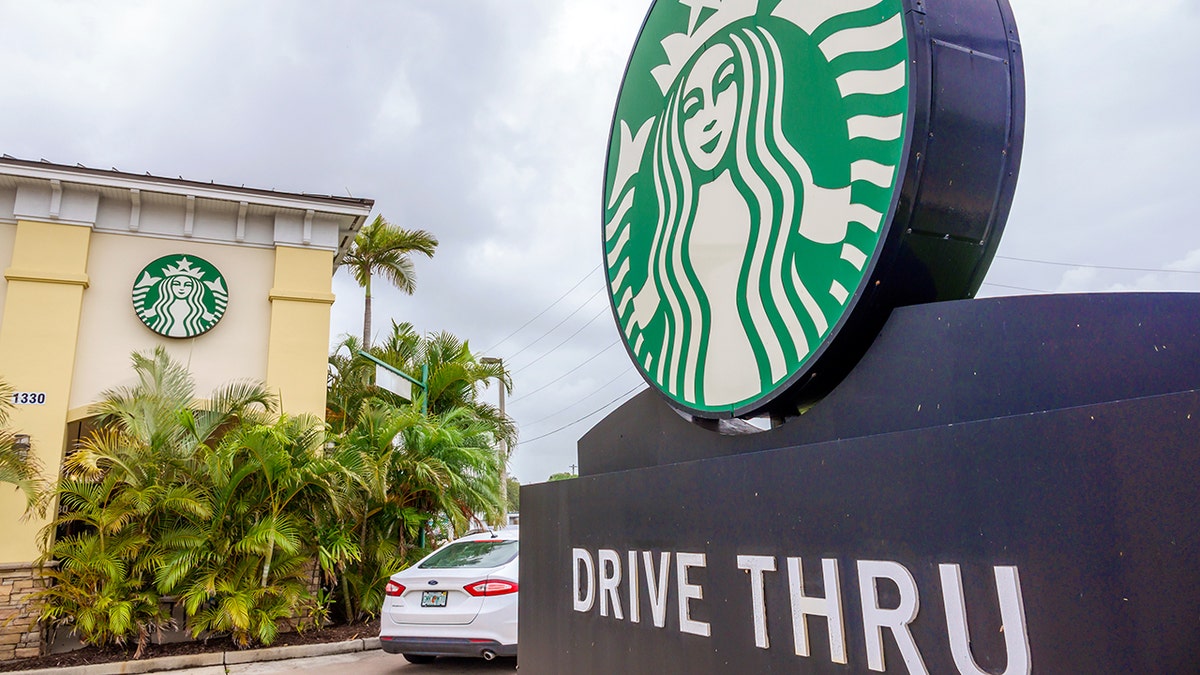
Starbucks is currently dealing with a lawsuit about its ‘sugar-free’ labeled protein drinks. Consumers claim some drinks have nearly the same amount of sugar as candy bars.
The Lawsuit
The proposed class-action lawsuit was filed on October 2 in a federal court in Washington state. It targets eight hot and iced protein beverages, including the Sugar-Free Vanilla Protein Latte, Sugar-Free Caramel Protein Latte, and protein matcha drinks. According to the lawsuit, a venti-sized serving contains between 13 and 21 grams of sugar. This allegedly misleads consumers who expect sugar-free drinks to have zero sugar.
The lawsuit was initiated by three consumers from California, New York, and Washington.
These consumers ask the court to stop Starbucks from using the term ‘sugar-free’ for products containing sugar.
Starbucks’ Response
Starbucks disputes the claims. A spokesperson stated, “We believe these claims have no merit.” The company maintains it has always provided clear information about its beverages, including sugar-free options and nutritional details, through various platforms.
Starbucks uses sugar-free syrups for flavoring, explaining that the sugar content originates naturally from protein-enriched milk. This sugar is not added sugar but lactose, a naturally occurring sugar. As such, the labeling of ‘sugar-free’ reflects the absence of added sugars.
Expert Opinions
Nicolette Pace, a New York-based dietitian, clarifies that lactose in milk is naturally occurring and not counted as added sugar. However, she explains that ‘sugar-free’ and ‘no added sugar’ differ significantly.
Dr. Michael Aziz, an internist in New York City, confirms that ‘sugar-free’ does not guarantee zero sugar. Under FDA regulations, such a label typically means less than 0.5 grams of sugar per serving.
Naturally occurring sugars can still impact blood sugar levels, which is crucial for people with diabetes to monitor. The lawsuit claims these Starbucks drinks, marketed as sugar-free, actually contain 13 to 21 grams of sugar.
Consumer Perspective
The plaintiffs assert that purchasing the supposedly sugar-free products led to higher expenses. Danny Karon, a class-action attorney not involved with the case, noted the challenge lies in demonstrating that consumers relied on Starbucks’ claims when buying the drinks.
Sugar in Specialty Drinks
Beyond the drinks involved in the lawsuit, experts Aziz and Pace highlight that other Starbucks beverages have significant sugar content. For example, a venti Java Chip Frappuccino has nearly 80 grams of sugar. Likewise, the Caramel Ribbon Crunch Frappuccino and seasonal favorites like the Peppermint Mocha and Pumpkin Spice Latte can contain impressive sugar levels, especially with additions like whipped cream.
The American Heart Association recommends women limit added sugar to 25 grams (about 6 teaspoons) per day and men to 36 grams (9 teaspoons).
Advice for Consumers
Consumers interested in reducing sugar should opt for simpler orders and smaller sizes. Dr. Aziz suggests choosing a simple latte or cappuccino for a better option. Nutrition experts emphasize knowing the difference between ‘sugar-free’ and ‘no added sugar’ as both labels provide different information.
Deirdre Bardolf is a lifestyle writer with Fox News Digital.