
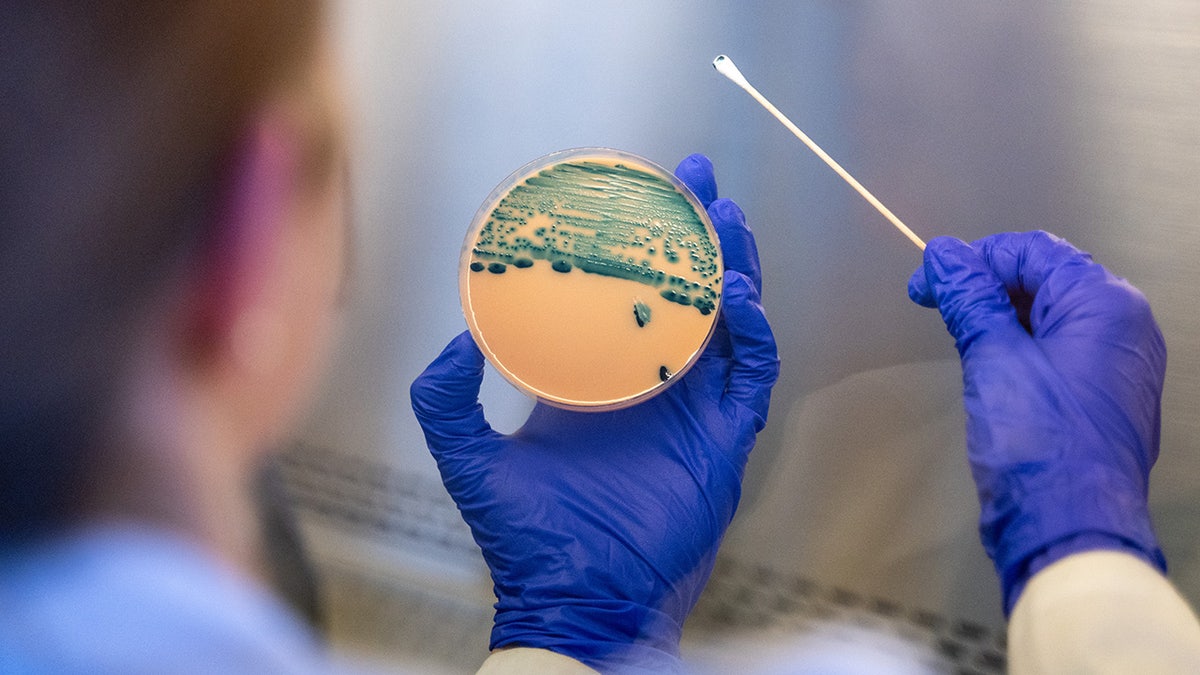
Antibiotic-resistant strains of Shigella, a highly contagious gut infection, are presenting new treatment challenges. Recent data indicates a worrying rise in resistance, making these infections tougher to treat.
Increasing Antibiotic Resistance
A report by the Centers for Disease Control and Prevention (CDC) examined nearly 17,000 Shigella samples collected between 2011 and 2023. The report revealed that by 2023, 8.5% of these samples were extensively drug-resistant (XDR). This resistance means they are impervious to all five antibiotics defined by the CDC, a stark contrast to the period from 2011 to 2015 when no samples showed such resistance.
“The infection is not surging. The bacteria are changing,” said Dr. Tyler Evans, an infectious disease physician.
Transmission and Infection Details
Shigella spreads when small amounts of stool make contact with someone’s mouth. This can occur through contaminated food or water, unwashed hands, or sexual activity. Dr. Andi Toufexis notes that while Shigella is not a typical sexually transmitted infection, it can spread through sexual contact involving fecal matter.
The CDC found a significant prevalence of XDR Shigella among adult men, with previous studies indicating transmission among men who have sex with men as a key route. Patients are typically men around the age of 41, with many living with HIV. Additionally, those experiencing homelessness or with weakened immune systems face greater risks.
Prevention and Response
Children under five are particularly vulnerable to Shigella infections, with many outbreaks linked to daycare centers and schools. However, previous outbreaks involved strains susceptible to antibiotics.
Preventive measures include handwashing, safe food preparation, and careful sexual practices. Experts recommend washing hands, genitals, and anal areas before and after sex, using condoms or dental dams, and cleaning sex toys after each use. Avoid sex if you or your partner has diarrhea, and wait two weeks after symptoms cease before resuming sexual activity.
Managing the Infection
Most Shigella infections resolve without medical intervention, as noted by Toufexis. However, severe cases may require treatment involving medical consultation. Dr. Michael Aziz emphasizes avoiding over-the-counter antidiarrheal medications, as they can slow gut function and delay recovery.
For a better understanding and latest updates on health concerns, the CDC suggests staying informed and following health advisories closely.