
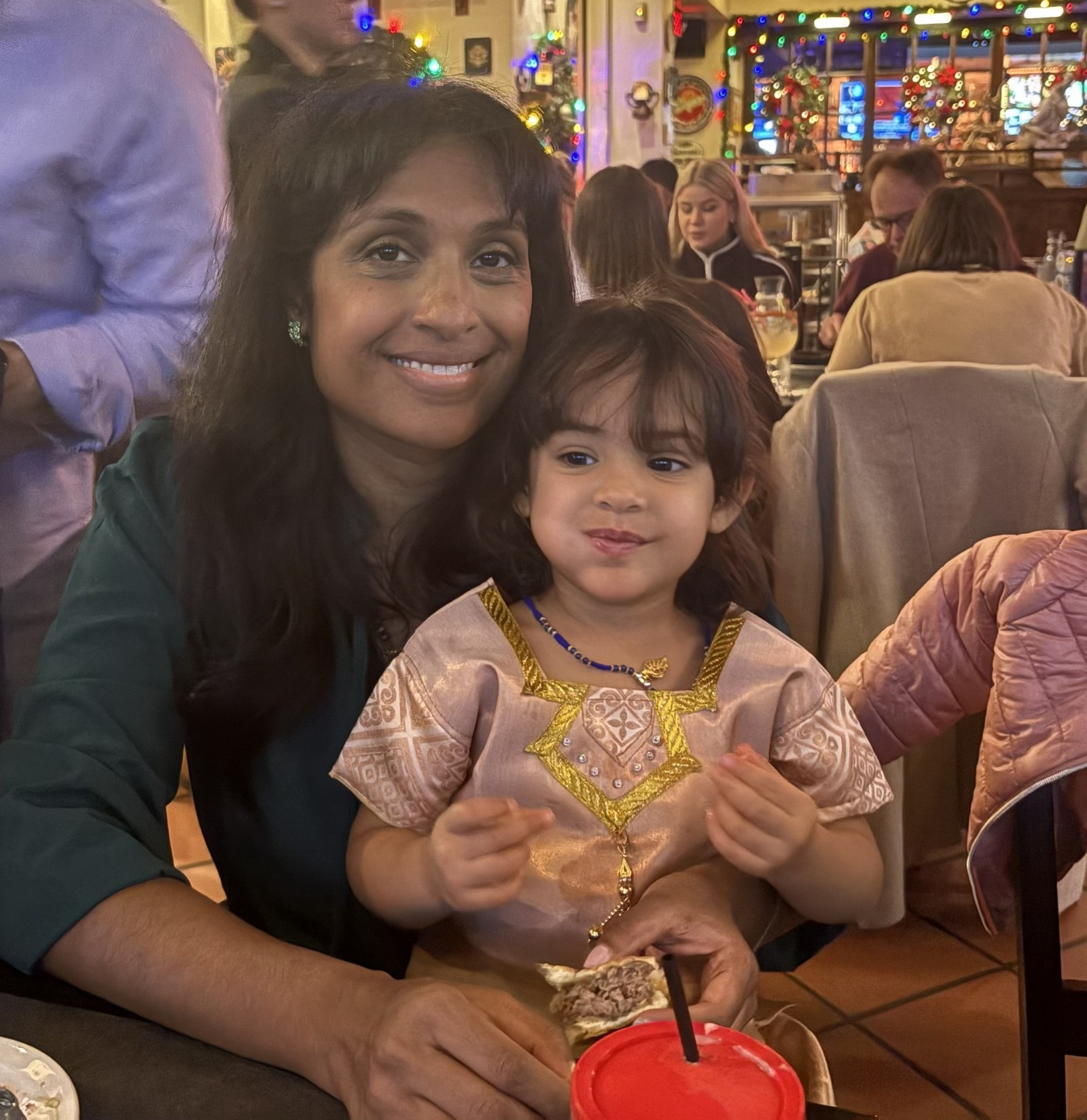
My three-year-old daughter is small for her age and attends school for the first time. Her appearance often makes adults assume she is easygoing and won’t cause trouble. One day, she returned home and mentioned, looking upset, “People keep calling me ‘so sad.’” At first, I thought it was separation anxiety, with her classmates empathizing. Yet, she would come home repeatedly saying, “They called me ‘so sad’ again”—as if it became her identity.
After some probing, I discovered she faced her first bully—a bigger boy who decided preschool needed some drama. He didn’t physically harm her; he opted for verbal taunting, “You’re so sad.” The rest of the class joined in, repeating, “You’re so sad.” This continued daily.
By “sad,” he likely meant pathetic and small. My daughter understood. Each day, she came home disheartened, saying, “I don’t have any friends. They all keep calling me ‘So Sad.’” It was heartbreaking. I approached the school, spoke with parents, and one parent mentioned a pediatrician who suggested this was empathy. Initially, I believed it too, but eventually, I realized empathy wasn’t involved.
Reaching out to the bully’s mother, she graciously promised to talk to the teacher for resolution. But, nothing changed. The bullying continued daily but wasn’t the traditional kind with physical aggression. This seemed more psychological, coming from three-year-olds. Teachers advised my daughter to walk away, say “no thank you,” and play nicely. It’s frustrating to see victims expected to “rise above,” even at three years old.
Children experiencing bullying hear they should assert themselves correctly, yet what happens when those entrusted to protect them don’t act? I taught my daughter self-defense that’s comfortable for some parents: when nothing else works, sometimes a stronger approach is necessary.
To clarify, I didn’t instruct her to hit or shout obscenities. We rehearsed friendly comebacks: “Eat a brick,” or “Go kiss a giraffe.” Building confidence to stand her ground was crucial. We posted a note on our bathroom mirror stating her goal, reading, “Stand up for myself at school” every morning.
However, comebacks didn’t deter the boy. Desperate, I suggested a final line: “You’re a bully, and the police are going to get you.” It wasn’t an ideal parenting path, driven by months of observing my child quietly endure harm without redress. Such a line doesn’t fully align with my belief in criminal justice reform, but parenting decisions aren’t always neat when it concerns my daughter’s safety.
The next time she faced the bully, she stood confidently and said, “You’re a bully, and the police are going to get you!” This changed everything. Her classmates chimed in, this time supporting her by echoing, “The police are coming to get the bully.” Peer pressure can benefit, especially at that age. Now, my daughter led her peers. This incident got the school’s attention, leading to discussions about maintaining “nice language.” My husband received a report during pickup, and at last, using “You’re so sad” was prohibited class-wide.
I told my daughter I was proud. Sometimes, discomfort is necessary to protect oneself. Girls learn early to endure pain gracefully, with niceness prioritized over safety or respect. Mothers receive the same directive: trust the system, remain calm, and avoid overreacting, mislabeling it as emotional intelligence while teaching vulnerability.
Do I want my daughter to threaten enforcement in every conflict? No. It’s not a sustainable strategy, and I don’t wish for her to be overly aggressive. But she lives in a world expecting polite endurance of cruelty. Sometimes niceness fails.
One day, my daughter might confront unwanted propositions, call out sexism, or defend herself in a toxic situation. It’s disheartening, yet more so is the prospect of her risking her welfare to appear polite. Knowing she can confidently stand up for herself reassures me.
Months of silent suffering failed to evoke change at school. Her newfound voice did. If ensuring her self-respect meant a preschooler briefly believed justice would come from law enforcement, I’ll manage.