
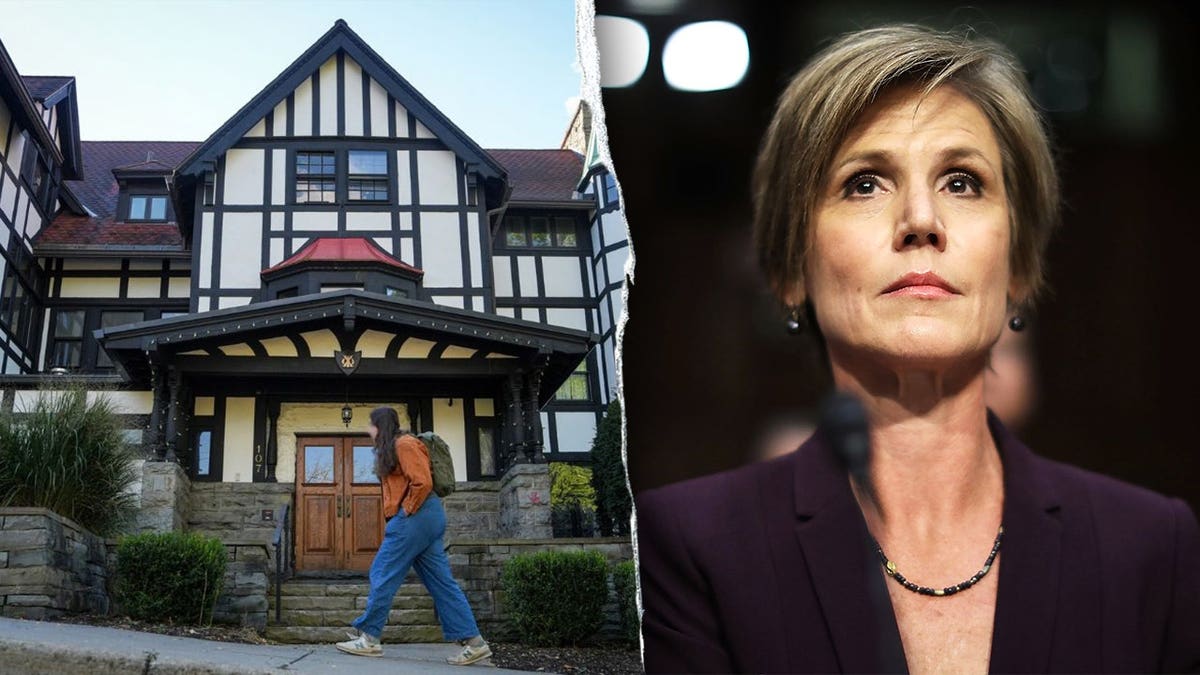
Local prosecutors say they didn’t receive a complete campus police interview before initially deciding not to bring charges in a rape case at Cornell University. The case involves allegations against members of the Chi Phi fraternity. Former Deputy Attorney General Sally Yates is now reviewing the school’s response.
Case Background
A woman, known as Jane Doe in court papers, alleged rape during a November 2024 interview with Cornell University Police. She described subsequent sexual encounters as coercive and claimed to be incapacitated. The Tompkins County District Attorney, Matthew Van Houten, initially saw a sworn statement suggesting the activities were voluntary and consensual. He later admitted that the fuller interview could alter his perspective.
“The additional information changes the landscape for me,” Van Houten stated.
Yates’ Role
Sally Yates has been selected by Cornell’s trustees to conduct a comprehensive evaluation of the university’s handling of the October 2024 allegations. This independent analysis follows a university investigation that led to expulsions and suspensions.
Potential Findings
Attorney Scott Iseman, experienced in campus sexual misconduct cases, emphasized the value of complete interviews. They often reveal crucial information that might influence the outcome of a case. Yates may uncover new evidence, question overlooked witnesses, and examine additional materials during her review. However, Iseman cautioned against premature assumptions.
“It may have all been done very appropriately by Cornell. We don’t know yet,” added Iseman.
Cornell’s Investigation
Cornell reports a detailed investigation that included over 50 interviews and more than a week of hearings. Cornell President Michael Kotlikoff noted two students were expelled, two suspended, one graduated before any action, and two were cleared of misconduct.
Yates’ Investigation Scope
Yates’ review extends beyond this case, aiming to assess how Cornell generally handles sexual misconduct allegations, including in fraternities and sororities. Her team will ensure compliance with legal standards and evaluate adherence to university procedures. Any new evidence might be shared with external investigators, although Yates cannot file charges.
Legal Context
The case highlights debates over legal rights for students accused of sexual misconduct. Campus disciplinary actions can have significant impacts without the safeguards present in criminal proceedings.
John R. Grasso, a defense attorney, highlights the challenges in campus cases where due process is limited. He explained that students often face difficult choices if university disciplinary actions overlap with criminal cases.
“I have a right to remain silent, but if I don’t participate, I’m getting found responsible,” Grasso noted, describing the challenges accused students face.
A Broader Impact
Grasso also warned of the personal impact and reputational damage students experience when accused of misconduct, even when eventually exonerated.
As new scrutiny emerges, Iseman emphasized the importance of an open mind regarding the events that transpired.