
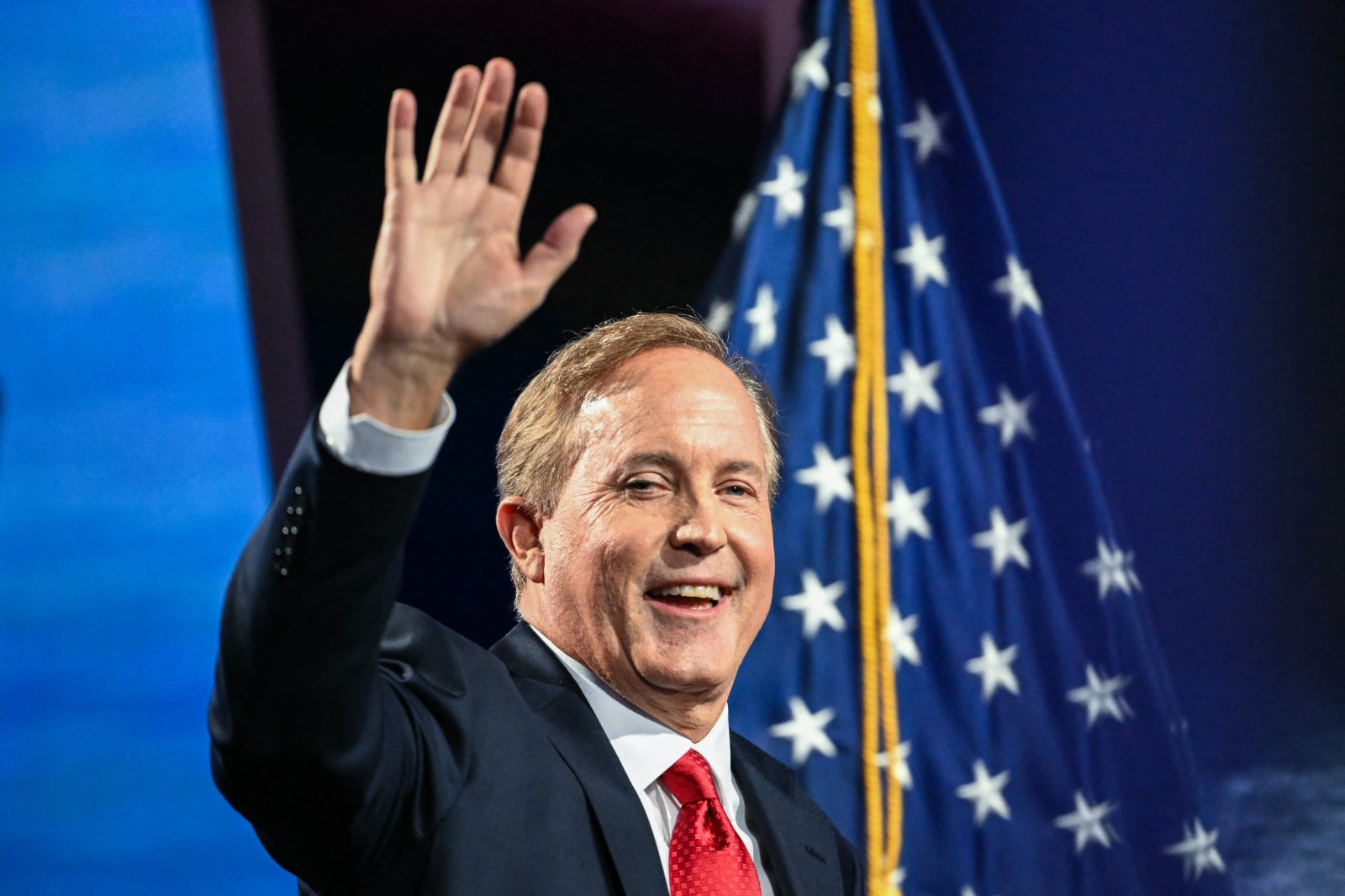
Ken Paxton, Texas Attorney General, has largely avoided debates with political rivals during his career. This strategy continues, as he has not agreed to debate Democratic opponent James Talarico. With the U.S. Senate race in Texas heating up, this stance has drawn criticism.
Recent polls indicate Talarico is either slightly ahead or roughly equal with Paxton in a tight race. The Democratic Party hopes to secure a Senate majority in a state that hasn’t elected a Democratic senator since 1988. Paxton, along with other Republican candidates, appears to avoid confronting opponents in debates this election cycle. Declining popularity of President Trump amid issues like the Iran war and gas prices has affected Republican standings.
Talarico, a state legislator from Austin, has advocated for debates with Paxton. He challenged Paxton to three televised debates in July. Talarico claims Paxton’s aides assert his willingness to debate, but he evades press inquiries. Talarico again invited Paxton to debate on Fox News.
Although Paxton’s campaign signaled readiness to debate, they later objected to some moderators. An agreement seemed near but remained unresolved. Paxton previously skipped debates in his three bids for attorney general. The Senate race is his most notable campaign yet, intensifying calls for debate.
Trump and other Republicans now urge Paxton to debate, raising speculation he may take the stage. Newsweek contacted both campaigns for responses. Trump persisted in critiquing Talarico’s absence due to flu on his Truth Social platform.
Talarico responded to Trump, agreeing to debate and challenging Paxton on social media. Paxton has yet to officially reply but continues to highlight Talarico’s missed campaign events.
Strategists suggest Paxton’s refusal to debate might jeopardize his campaign. Karl Rove noted that refusing debates might cost him the election. A professor from Southern Methodist University doubted Paxton would engage in debates. He described Paxton as a weak candidate, poor at debating, relying on Republican financial support late in the race.
Political analyst opinions vary on impact. While debates are rarely attended, avoiding them creates suspicion about candidates’ openness and confidence. They worry Paxton could damage his campaign if viewed as dodging debates.
Another factor is voter perception. Experts argue that while debates are important, refusal alone seldom changes voter opinions. Many voters form opinions on candidates like Paxton well before elections. The race could hinge on public sentiment towards Paxton and Talarico.
Poll Insights
The contest remains highly competitive. On Friday, Decision Desk HQ’s average polls showed Talarico leading by three points. RealClearPolling’s average gave him a 2.8-point advantage.
A YouGov poll of 3,625 likely voters from September 28 to October 5 showed Talarico with a six-point lead at 50 percent versus Paxton’s 44 percent. The margin of error was +/- 3 percent.
A UMass Lowell/YouGov poll on September 18-28 tied both candidates at 45 percent support each, with 7 percent undecided, and a margin of error of +/- 4.5 percent.
Guidant Polling & Strategy’s survey in late September showed Talarico slightly ahead at 47 percent against Paxton’s 44 percent. The poll involved 800 voters, with a margin of error of +/- 3.46 percent.
Other polls maintain the close race vibe. A New York Times/Siena College survey placed Talarico six points ahead. Fox News found Talarico with a two-point lead.