
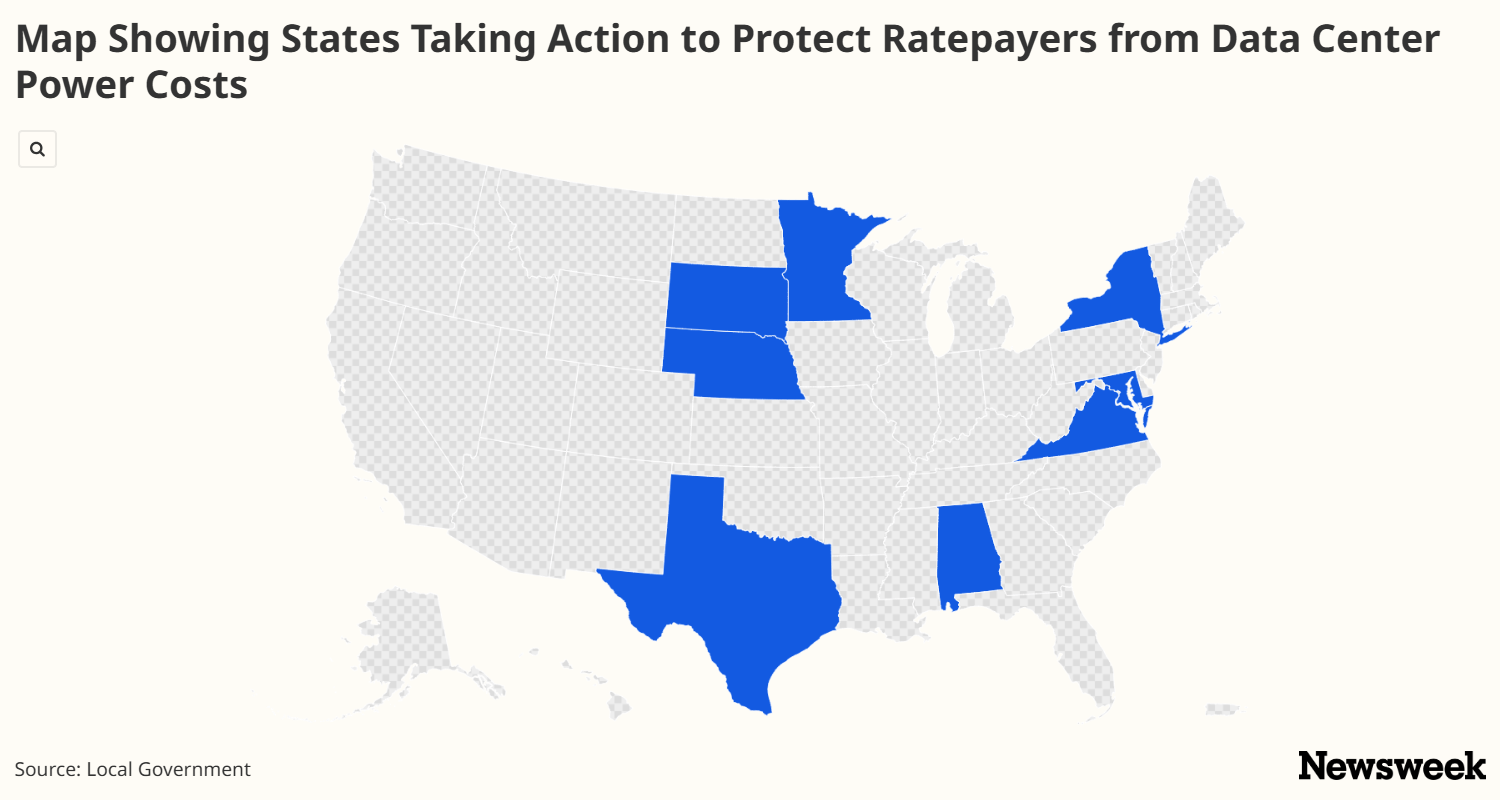
Across the nation, states are taking various measures to protect residents from the rising power costs associated with data centers. Data centers, essential for supporting internet infrastructure, have significant energy demands. Their growing number puts pressure on local power supplies, often leading to increased costs for consumers.
States are aiming to balance the benefits of economic growth with sustainable energy practices. California, for example, has implemented regulations to encourage the use of renewable energy sources by data centers. Additionally, New York offers incentives for data centers to optimize energy efficiency, ensuring they operate within environmental guidelines.
Local governments are also collaborating with utility companies to create innovative solutions. In Texas, some power agreements provide data centers with off-peak rates to mitigate demand during high usage periods. These strategies offer relief to local residents by reducing the impact of substantial energy consumption.
Understanding the implications of data center growth is essential for policymakers aiming to safeguard consumer interests while maintaining economic momentum. As new centers continue to expand, states are focusing on strategies that encourage responsible energy use, minimizing costs for residents and supporting sustainable development.