
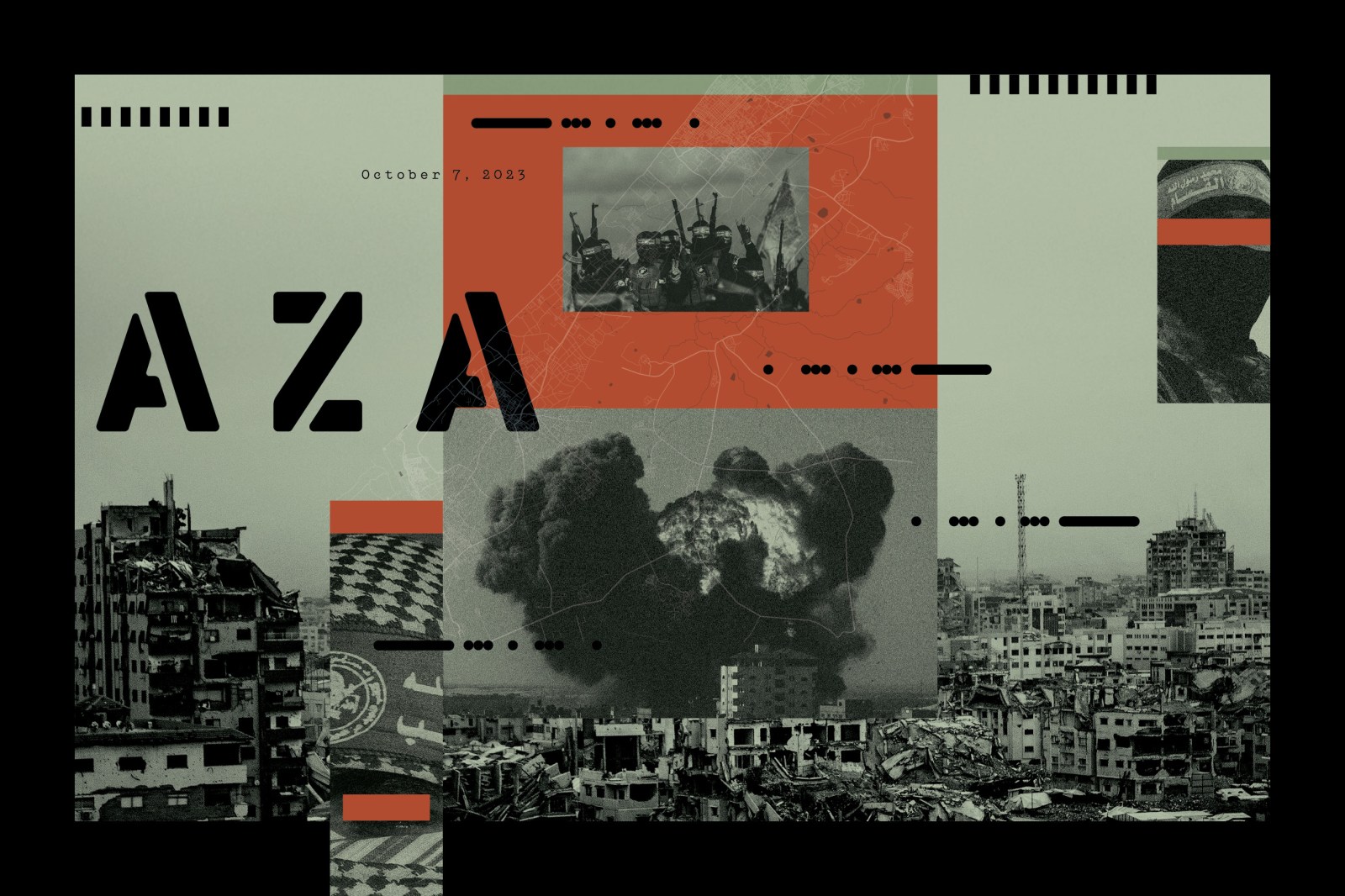
On the morning of October 7, 2023, tragedy struck Kibbutz Sufa, located close to Gaza. Body camera footage from one of the gunmen revealed the last moments of Bernard Cowan, a 57-year-old British-Israeli grandfather. He left the family’s safe room due to claustrophobia, something his brother later confirmed. One gunman spotted Cowan through a window and fired, fatally wounding him. His wife Margaret remained in the safe room. The gunmen’s camera showed the chaos as they moved through the kibbutz, shooting at homes and even an ambulance’s tires.
Cowan’s death was one among approximately 1,200 people killed in the attacks that day. To put it in perspective, if an equivalent attack occurred in the U.S., it would result in about 40,000 deaths. This stark comparison underlines the severe impact of the assault on Israel, prompting a significant response from the country.
Understanding the Attack’s Aims
Dov Waxman, an expert in Israel and U.S.-Israel relations at UCLA, suggests that Hamas might have anticipated Israel’s reaction. He likens Hamas’s strategy to Osama bin Laden’s on 9/11, using provocative footage as a tactic to elicit a powerful response. The recording of their violence implied a calculated move to influence political dynamics, despite not being able to match a direct confrontation with Israeli forces.
Three years on, the damages post-attack were significant. Although Israel wasn’t destroyed, senior Hamas leaders were killed, and their military power severely diminished. Gaza faced a major humanitarian crisis, losing tens of thousands of lives and witnessing extensive destruction of infrastructure.
Shifts in Global Perception
The attack changed the global political landscape, bringing the Palestinian cause back into focus. Opinions of Israel have shifted, particularly among young Americans. Increasingly, some view support for Palestinians as crucial, altering how they perceive U.S.-Israel relations.
Hamas’s Objectives
The motivations behind the October 7 assault extend beyond immediate military goals. Daniel Sobelman from the Hebrew University of Jerusalem reports that Hamas explicitly aimed for the destruction of Israel. It even sought to rally regional powers to join their cause, with tactics including freeing prisoners and invoking religious sites.
Initially, Hamas seemed to achieve success, unexpectedly breaching Israeli defenses. Yet, they overestimated the regional impact, misjudging responses from groups like Hezbollah. The consequence was substantial losses for Hamas, both in leadership and military capability.
Impact and Aftermath
Conversations with Hamas officials indicate confusion following the attack’s aftermath. Their aim to take hostages for a prisoner exchange reflects their strategic focus, yet there is little evidence of its intended success. Shibley Telhami of the University of Maryland points to Hamas’s broader aim to adjust a worsening political environment, rather than expecting Israel’s elimination.
Hamas’s announcement of the attack, Operation Al-Aqsa Flood, highlighted grievances related to religious sites and prisoner treatment. Their efforts aimed to rekindle regional support and bring the Palestinian question to international attention.
Long-term Results
Three years post-attack, the shifts in perceptions are visible. American favorability towards Israel has declined. Polls show a drop from 55 percent favorable views in 2022 to 37 percent by 2026. Although these numbers don’t indicate increased support for Hamas, they do reflect changing attitudes.
Brand indexes measure Israel’s international reputation, revealing declines in areas like global influence and cultural perception. David Makovsky of the Washington Institute for Near East Policy advises caution in assuming a permanent shift in the U.S.-Israel relationship, linking recent perceptions to the divisive policies of Prime Minister Benjamin Netanyahu’s administration.
Waxman cites the significant impact of the Gaza war on younger Americans, whose views differ from those shaped by past political conflicts. This generational shift portends future changes in U.S. policy, as these individuals enter positions of power.
Challenges and Opportunities
The current political climate in America reflects increasing divides regarding Israel. On the left, Gaza-related issues dominate objections, while on the right, some question Israel’s role in U.S. foreign policy. These differing critiques mark a substantial change in the longstanding bipartisan support for Israel.
Younger generations, already influencing political discourse, could redefine U.S.-Israel relations. The outcomes of October 7 may not align with Hamas’s initial objectives, but they have undoubtedly shifted the political narrative, with potentially lasting repercussions.