
Russia has focused on self-reliance for over four years, distancing itself from the West while continuing its offensive in Ukraine. The U.S. aims to show Russian President Vladimir Putin the benefits of peace. This approach seems contradictory, considering the ongoing attacks on Ukraine, but the Trump administration uses both pressure and diplomacy with Russia.
Russian envoy Kirill Dmitriev visited Washington to discuss the potential end of Russia’s war in Ukraine and future U.S.-Russia relations. These talks involved U.S. Treasury and Energy officials, highlighting prospects for cooperation after a potential peace agreement.
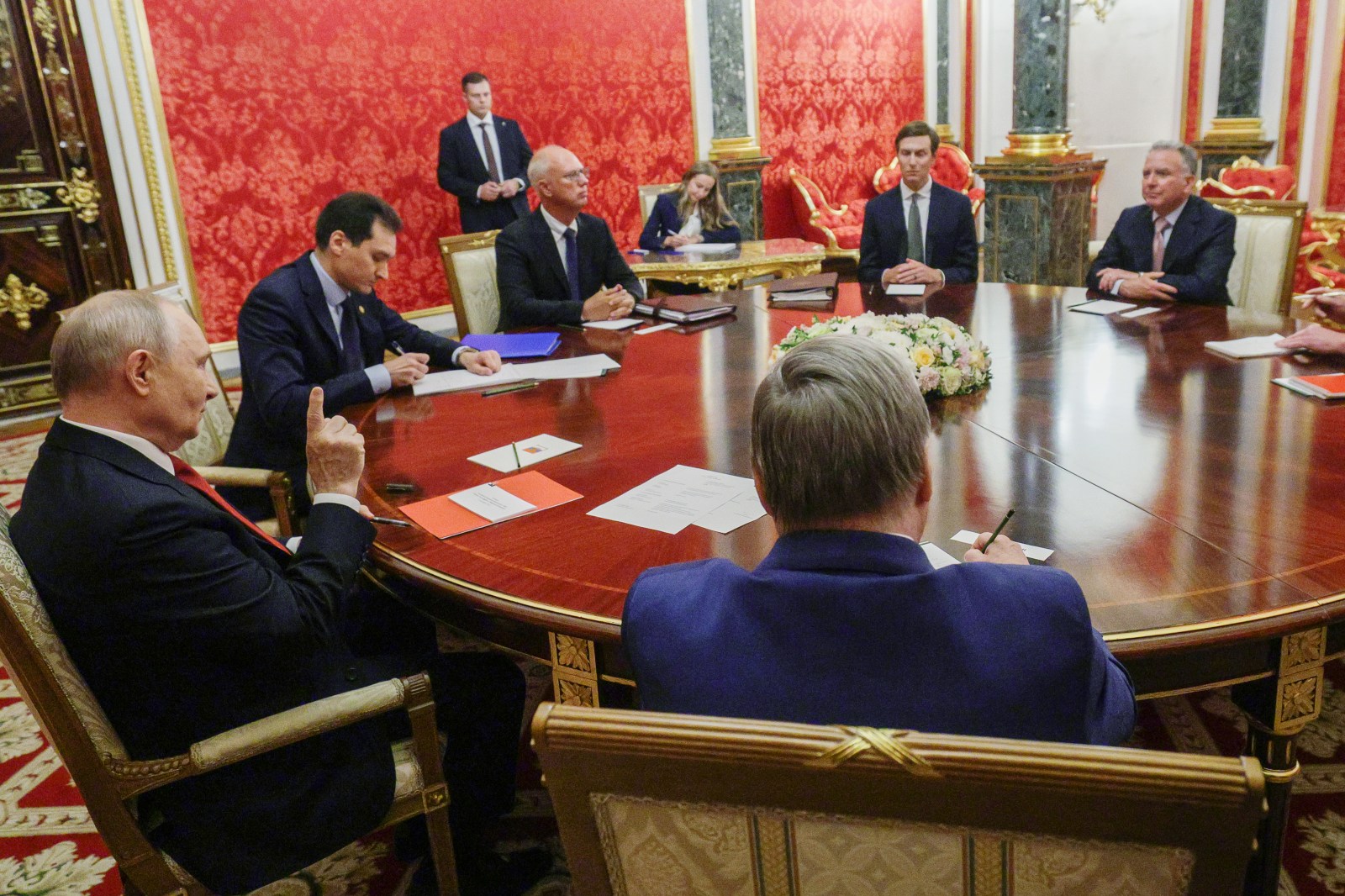
Recently, influential figures from the U.S. engaged in lengthy discussions with Putin in Moscow, showing interest in future collaboration, which may concern Ukraine. Putin’s invasion caused substantial damage: numerous casualties, displacement, and billions needed for reconstruction, as ongoing drone strikes continue to devastate Ukrainian cities.
“Nothing is possible until the war is over,” Treasury Secretary Scott Bessent stated at the G20 summit, underlining the U.S. stance.
The U.S. continues to tighten sanctions against Russia, reinforcing pressure alongside NATO allies. The Sanctioning Russia and Iran Act, signed by Trump, targets Russian officials, banks, and entities, imposing tariffs and expanding sanctions. NATO allies provide substantial military aid to Ukraine, with consistent U.S. weapon supplies.
Despite resilience to sanctions, Russia faces economic challenges. The federal budget deficit is projected to double this year, with reduced oil-and-gas revenue expectations. Inflation remains high, with a slow GDP growth forecast. Putin acknowledged the impact of sanctions during a recent discussion.
Deeper ties with China and India strengthen Moscow’s resilience, yet they can’t replicate Russia’s former access to Western capital and markets. Discussions about a post-war future might not alter Kremlin’s decisions immediately but highlight potential incentives for change.