
The journey to Memphis, Tennessee, on Interstate 55 led to an intriguing discovery at a welcome center in Blytheville, Arkansas. A visit there revealed a natural stone and post-and-beam constructed building. Inside, slate floors guided visitors past displays of Arkansas’s natural wonders and rows of brochures. This impromptu stop turned Arkansas from a mere pass-through state into a moment of fascination.
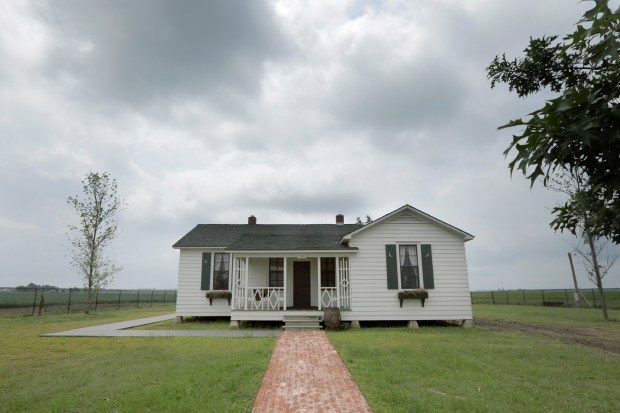
Among the brochures, one highlighted ‘Historic Dyess Colony: Where Johnny Cash’s Story Began.’ This intrigued a Cash fan unfamiliar with Dyess Colony. Encouraged by a friendly attendant, an unexpected detour to Dyess followed. Navigating northeast Arkansas’s roads and landscapes revealed the boyhood home of Johnny Cash. There, insights from the museum manager and former mayor outlined Cash’s formative experiences and the New Deal community’s role in shaping his music. This unplanned visit enriched the travel experience.
Illinois recently announced the closure of its eight interstate visitor information centers. The Illinois Department of Commerce and Economic Opportunity explained this decision, attributing it to the changing ways visitors access travel information. This suggests an increasing reliance on digital platforms like Google for trip planning.
While the internet offers abundant travel data, it misses the nuances of the journey itself. Robert Frost’s poem about roads not taken reminds us of the importance of treasures found along these paths. Visitor centers provide such narratives. On I-57 through southern Illinois, information about Chester—home to Popeye and Fort Kaskaskia—is accessible. I-55 travelers between Springfield and Bloomington can explore the American Giants Museum. Along I-72, the Monticello Railway Museum awaits visitors with its 1907 vintage steam locomotive.
Visitor centers serve as valuable entry points for Illinois’s treasures. They act as a welcoming face for the 115 million visitors to the state. While digital information is comprehensive, these centers offer unique insights and experiences along less traveled paths. The decision to close them questions the value placed on such enriching detours.
According to Governor JB Pritzker, visitor spending in Illinois reached a record $50.2 billion in 2025. Despite this, the elimination of $1.6 million allocated for visitor centers closes significant access points to Illinois’s hidden gems.
These centers enrich travel experiences, offering more than digital platforms. Their closure raises concerns about losing personal experiences unique to road travel.
Frank Hosek, a freelance travel writer, shares these insights from just outside Chicago. As a retired director of human resources in Illinois, he advocates for the preservation of such enriching travel experiences.
Readers can submit a letter, up to 400 words, to the editor here.