
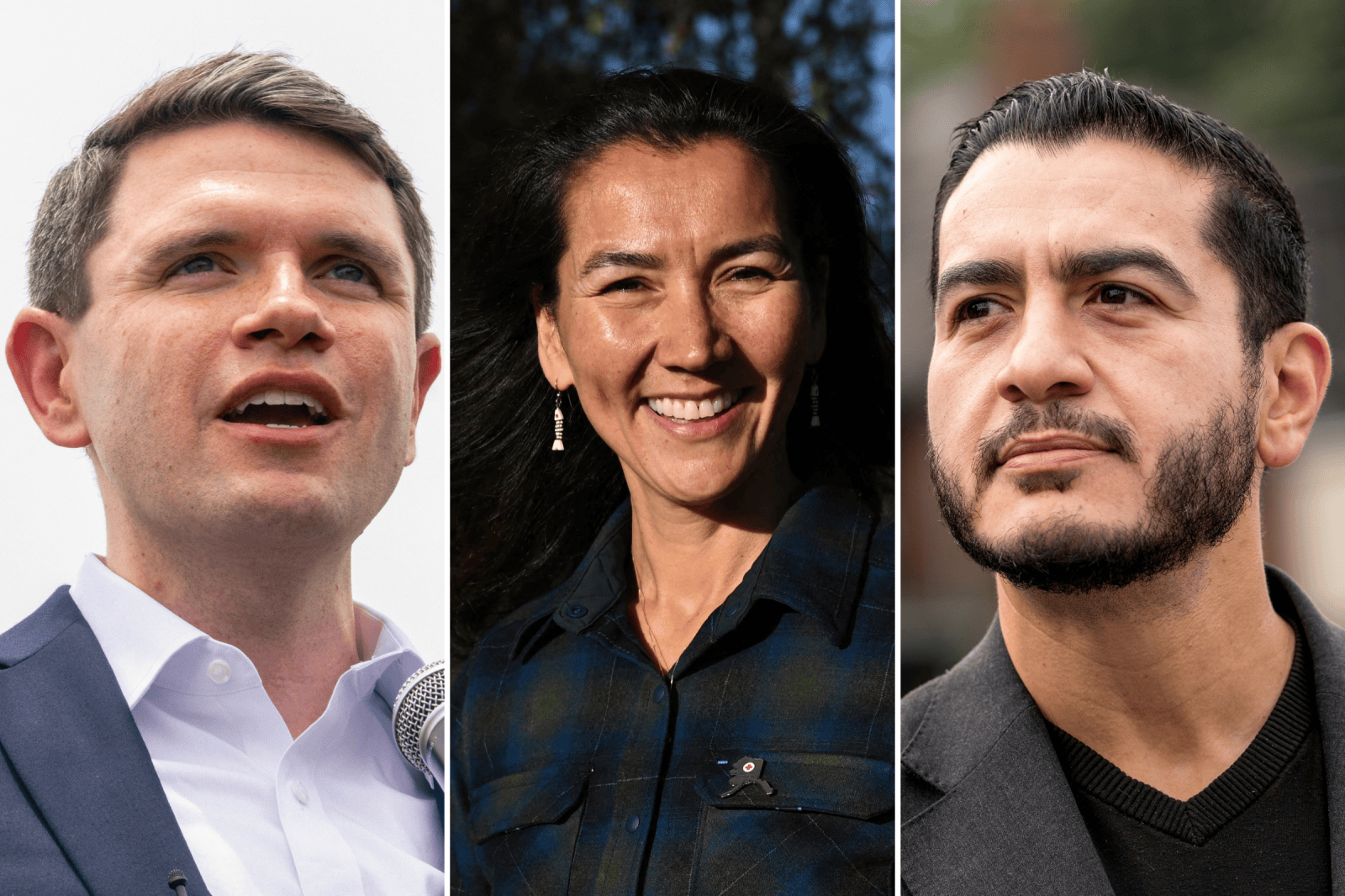
Democrats are expressing optimism about flipping the Senate in the upcoming midterm elections. This optimism follows recent polls that have been favorable to their chances. However, historical polling errors that underestimated Republican support in key states are causing some caution.
Crucial Races and Historical Polling Challenges
The battle for Senate control is likely to revolve around tight races in a few key states. Alaska, Iowa, Maine, Michigan, Ohio, and Texas are emerging as battlegrounds where both parties see opportunities. Polls in these states show narrow margins, but Republicans have traditionally performed better than predicted in past elections.
Some experts warn that polling errors are unpredictable. Grant Davis Reeher, a professor of political science at Syracuse University, highlighted turnout as a factor that could disrupt polling accuracy. He noted, “Polls must make educated guesses about who is most likely to vote. It’s trickier in midterms.”
This year, there’s perceived enthusiasm on the Democratic side. However, last-minute Republican momentum could challenge the predictive models used in polling.
Reasons for Democratic Optimism
Senate Minority Leader Chuck Schumer expressed confidence in the upcoming election, mentioning various paths to victory. Historically, the party in power tends to suffer in midterms if the president is unpopular. President Trump’s approval ratings have recently hit record lows, presenting a potential advantage for Democrats.
A Quinnipiac University poll reported a net approval rating for Trump at -26 points, illustrating public frustration over economic issues despite Trump’s promises of lower prices.
Democrats hope to leverage Trump’s unpopularity by targeting more conservative states that supported him heavily, like Alaska, Iowa, Ohio, and Texas. These efforts aim to reduce the Republican Senate majority.
Recent special elections have seen Democrats flipping several Republican-held seats, suggesting strong Democratic enthusiasm. This, combined with good polling and historical midterm dynamics, supports their outlook of remaining competitive for Senate control.
Recent Polling Trends and Concerns
Polling in several key states has seen Republicans outperforming predictions. CNN analyst Harry Enten noted Republicans exceeded polling averages by several points in Iowa, Ohio, and Michigan in past cycles.
Polling misses in past elections, including in 2018 during Trump’s first term, act as cautionary tales emphasizing the uncertainty of current data.
Analysis of Six Key Senate Races
A pro-Republican polling error in these states could suggest tighter races or Republican advantages as the midterms approach.
Alaska
Republican Senator Dan Sullivan faces Democratic challenger Mary Peltola. Polls show a close contest. The Alaska Survey Research poll has Peltola up by four points, while an AARP poll indicates a six-point lead. However, Alaska’s polling history shows significant inaccuracies, as seen when Sullivan won by a much larger margin than predicted in 2020.
Iowa
In Iowa, polls are competitive between Democratic state Representative Josh Turek and Republican U.S. Representative Ashley Hinson. A slight polling error favoring Hinson could impact the race, given Trump’s underestimation in 2024 polls.
Maine
Maine sees Republican Senator Susan Collins challenged by Democrat Troy Jackson. Past elections suggest polling underestimates Collins, who won previously despite predictions favoring her opponent.
Michigan
As Senator Gary Peters retires, Democrat Abdul El-Sayed and Republican Mike Rogers compete for one of the most contested seats. Recent polls show El-Sayed ahead, but prior inaccuracies in this state illustrate polling challenges.
Ohio
Former Democratic Senator Sherrod Brown is running against Senator Jon Husted. Brown leads slightly in polls, yet Ohio’s history of underestimated Republican support poses risks.
Texas
In Texas, Democrat James Talarico competes against Republican Ken Paxton in a traditionally Republican stronghold. Polls indicate a close race, yet prior cycles show underestimations of Republican leads.
What Lies Ahead
The next few weeks will be critical as candidates work to rally their supporters and persuade undecided voters. The economy, Trump’s popularity, and other factors, like international conflicts, play significant roles as midterm elections near.