
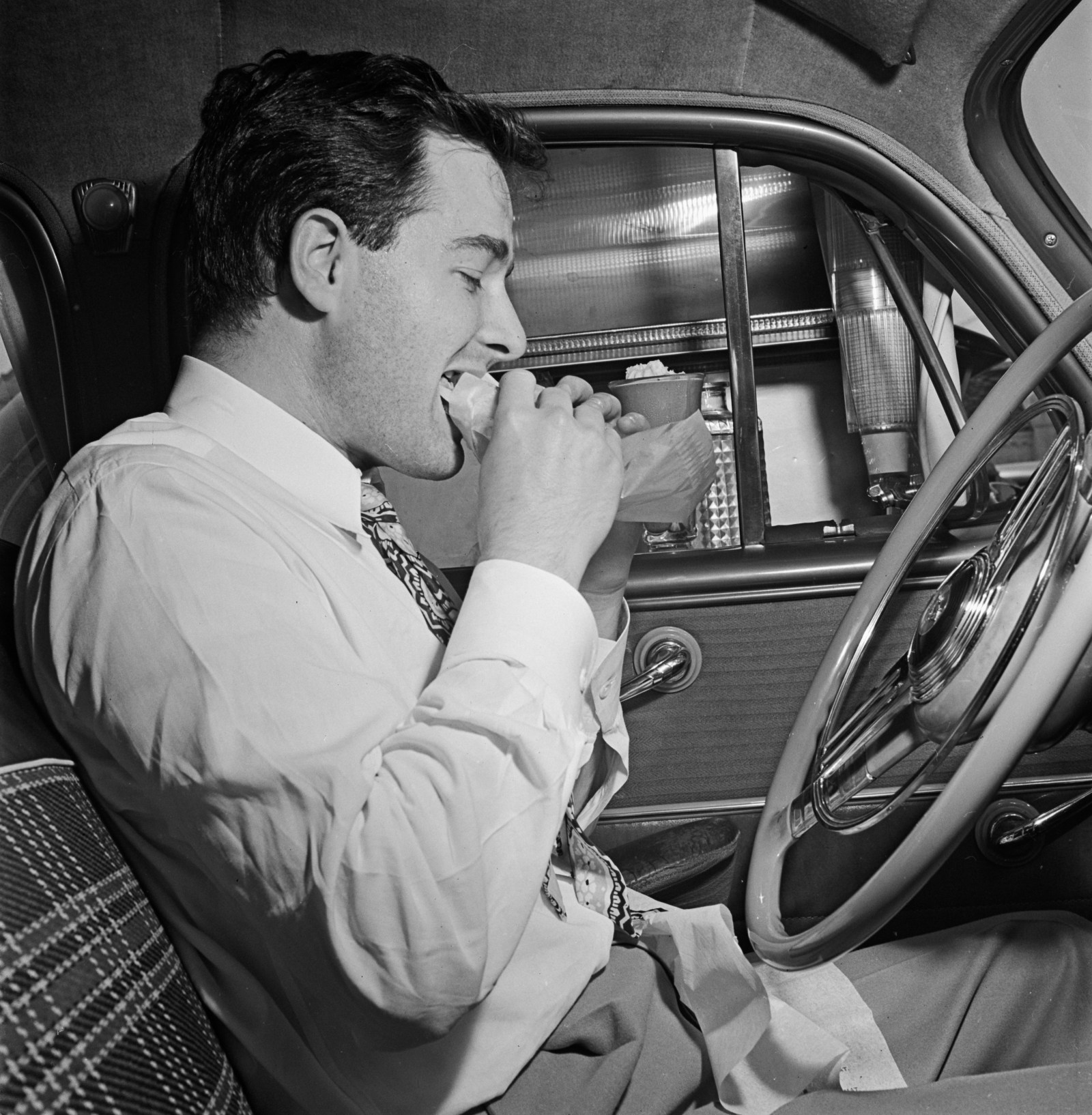
In Italy, a specific snack time called merenda was an integral part of the daily routine. Positioned between 4 p.m. and 6 p.m., it served as a bridge between lunch and dinner. A common choice was a piece of Kinder Cioccolato with an Estathé, enjoyed in the relaxed moments after school activities, as dinner loomed at the consistent 7 p.m.
Upon moving to the United States in 2005, the absence of a structured snack time felt peculiar. There, snacking seemed timeless, permissible at various intervals throughout the day. The concept of a snack became detached from a specific schedule, unlike the well-defined merenda.
A recent survey of 1,000 American college students aged 18 to 25 unveiled an interesting trend. Merely 24% reported maintaining a routine of three balanced meals daily. Instead, over half substituted snacks for meals; a quarter ate when convenient, devoid of a predictable schedule. Among students beyond their freshman year, a staggering 96% reported replacing meals with snacks weekly.
This shift suggests that traditional meals are waning, not from disinterest, but due to the multitasking demands of modern life. Uninterrupted time, once dedicated to meals, is diminishing. This trend transcends college campuses, as seen in a 2025 survey by the International Food Information Council, showing 62% of Americans sometimes replace meals with snacks, up from 38% in 2020.
Market research by Circana reveals more about this phenomenon. Currently, 55% of U.S. consumers partake in three or more snacks daily. Snacks now often compete with meals, rather than merely fill the gaps between them.
The Hour Was the Point
Lunch was historically accompanied by a societal pause, a concept now eroding. Lunch breaks once marked a time of disconnection from tasks, whether in schools, factories, or offices. The contemporary paradigm shifts from meals as main activities to eating as an adjunct to other activities. Eating on-the-go, while multitasking, defines the current culture.
College students mirror this change, with 60% reporting they eat while engaged in work or study. Fast meal preparation is now the norm, with Circana noting that half of American meals are prepared in under five minutes—56% of these are lunches.
Ashlie Garcia, a business owner in Fresno, echoes this sentiment. Her work routine often allows only for quick snacks alongside her responsibilities, further illustrating the intersection of eating with other tasks.
Eating, But Not Only Eating
The American Time Use Survey by the Bureau of Labor Statistics in 2025 recorded that people still allocate about 1.2 hours daily to eating and drinking as their main activity. Yet, food increasingly shares time with other pursuits, shaping what types of foods are consumed. Portable snacks fit into this new structure, delivering nutrition on-the-go.
College students choose snacks based on protein content and health benefits, showing a shift towards snacks capable of fulfilling meal-like roles. Protein bars now sometimes replace meals entirely.
For Kristi Eaton, a PR agency owner, dinner remains a dedicated time for relaxation and eating as a primary activity.
Time Is Only Half the Story
Financial stress also influences these eating patterns. With 86% of students feeling the pressure from living expenses, many reduce or skip meals for financial reasons. The flexibility and lower cost of snacks make them a viable alternative.
Garcia experiences this firsthand, choosing snacks due to the inefficiency and expense of cooking for one, a common dilemma exacerbated by the economics of buying groceries meant for families.
What We Lose When Everyone Eats Whenever
Beyond nutrition, meals foster social connections by bringing people together. The frequency of solo eating highlights a decline in these shared experiences. Meals once aligned various schedules, offering opportunities for interaction and connection.
Now, as snacking becomes a solitary, unplanned activity, one more avenue for social engagement narrows. The trend towards flexible snacking underscores a cultural shift, where the significance of shared meals diminishes.
The rise of snack culture mirrors broader changes in lifestyle and societal norms, where food serves utility over unity.