
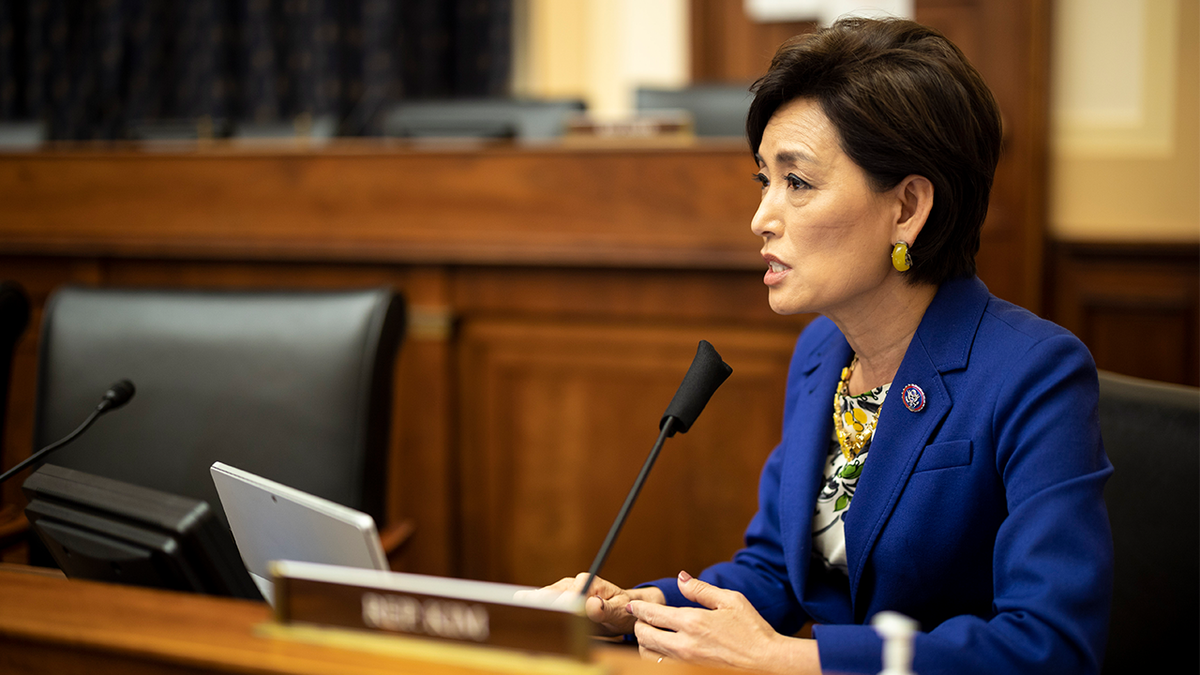
California Representative Young Kim is addressing concerns related to congressional self-enrichment. Her latest proposal, the Stop Congressional Self-Enrichment Resolution, follows recent efforts to restrict stock trading among lawmakers. This move aims to tackle another avenue of enrichment beyond stock dealings.
Kim highlights issues where members’ wealth seems to balloon while they serve in public office. She raises concerns about earmarking funds for projects that can indirectly benefit a lawmaker’s family. For instance, directing funds toward a nonprofit where a family member serves on the board or constructing amenities near properties owned by lawmakers.
Expanding House Rules: Current rules require members to certify no direct financial interest in earmarks. Kim’s proposal extends this to family and indirect interests. The goal is to end practices where lawmakers profit from public-serving projects.
“The days of members using earmarks for personal enrichment are numbered,” Kim emphasized.
Historical Concerns: Kim referenced past issues like the “Bridge to Nowhere” project, which exemplified earmark abuse. Despite safeguards, some lawmakers still find ways to benefit indirectly.
Apps like “Pelosi Stock Tracker” show stocks lawmakers are trading, but Kim insists her resolution isn’t about targeting individual colleagues. She stresses the importance of prioritizing constituents’ needs over personal gain.
Instances of earmark criticism include Dennis Hastert’s $207 million parkway near his real estate and Stephen Lynch’s earmarks for projects linked to organizations involving his wife. Tim Kaine faced scrutiny over earmarks for George Mason University, where his wife was involved, but denied influence in the allocation.
As the Senate considers stock trading restrictions, Kim’s resolution aims to address gaps not covered by these new measures. This initiative boasts rare bipartisan support.