
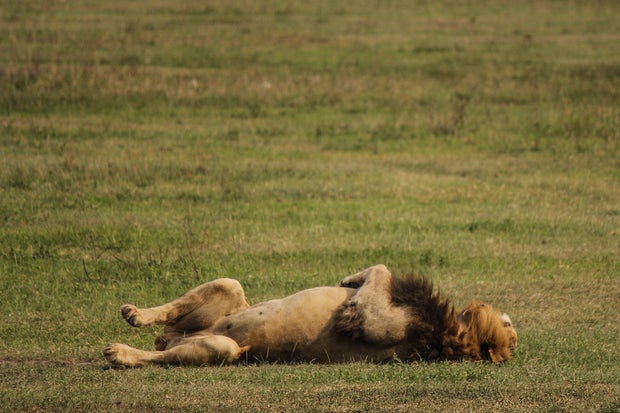
Authorities in Tanzania have reported the discovery of ten dead lions in the Ngorongoro Conservation Area, a UNESCO World Heritage site. The Ngorongoro Conservation Area Authority (NCAA) released a statement confirming the deaths on September 18, 2026, in the Ndutu region of the reserve. It highlighted that preliminary assessments point toward poisoning as the likely cause.
The investigation is underway to thoroughly understand the circumstances and to hold accountable those responsible. The incident underscores the ongoing tensions in Ngorongoro linked to population growth and habitat encroachment. The number of residents in the area has soared from approximately 8,000 in 1959 to over 100,000 recently, prompting government-led eviction programs since 2022.
Ngorongoro hosts about 25,000 large animals, including the highest known population density of lions. These majestic creatures are classified as vulnerable by the International Union for Conservation of Nature. Their survival is threatened by habitat loss, dwindling prey, and conflicts with humans.
Recent wildlife poisonings have extended beyond Tanzania. In neighboring Kenya, the Amboseli ecosystem reported over 20 elephant deaths due to alleged pesticide poisoning since June. While authorities have not conclusively determined if the poisonings were intentional, this marks an unprecedented scale in the region. Past elephant poisonings have been linked to poaching and human-wildlife conflicts.
Conservation efforts in East Africa face mounting challenges, demanding collective action and rigorous policy measures to protect these iconic wildlife species.