
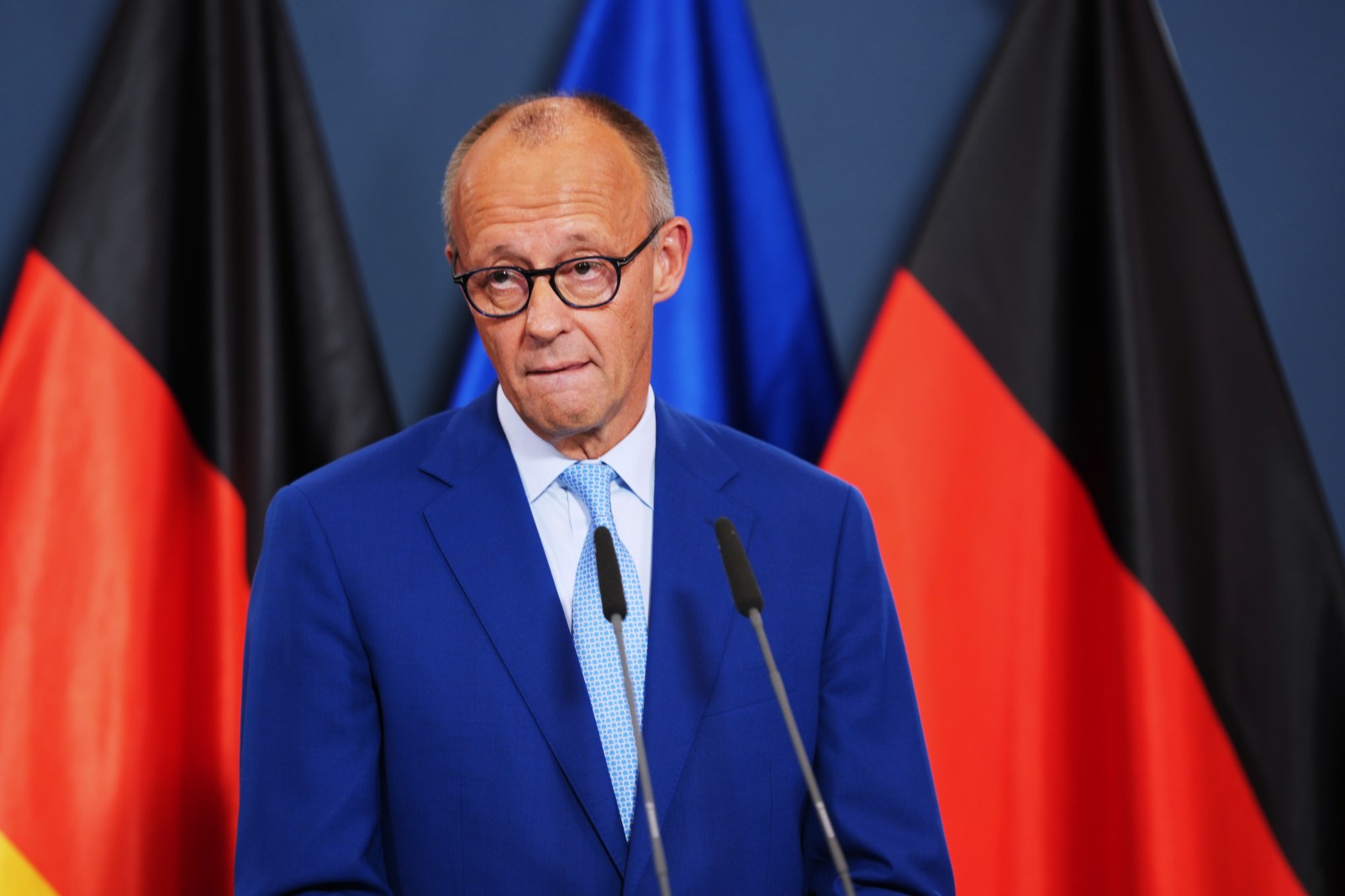
German Chancellor Friedrich Merz vowed to remain in office after his conservative bloc faced another setback in regional elections. The far-right Alternative for Germany (AfD) continued its electoral momentum with a second consecutive state-level victory. According to exit polling by ARD, the AfD secured 37 percent in Mecklenburg-Western Pomerania and 15.7 percent in Berlin.
The Christian Democratic Union (CDU), led by Merz, saw its support collapse to 5.5 percent in Mecklenburg-Western Pomerania and fell to second place with 20 percent in Berlin. Meanwhile, the socialist Left Party (Die Linke) won the Berlin election with 24.5 percent.
Merz described the election outcome as a “disaster” but insisted on continuing his leadership. Despite criticism and concerns within his coalition, he expressed commitment to lead the government. “What needs to be done now requires backbone, steadfastness, and patience,” Merz stated. “I will demonstrate these qualities as chairman of the CDU and, above all, as Chancellor of our country.”
The election results highlight the increasing influence of the AfD, which appeals to voters frustrated with traditional parties. Germany is currently dealing with economic challenges, immigration debates, and voter dissatisfaction with mainstream parties.
The success of AfD has concerned political leaders across Europe, where populist and nationalist movements are on the rise. This outcome could impact Germany’s political landscape, with observers watching if regional gains by AfD can expand into national support.
AfD’s Previous Win
The AfD’s success in Berlin follows a historic victory in the eastern state of Saxony-Anhalt on September 6. There, the party received 43.8 percent of the vote. This was more than double the support attained by the CDU, which managed 17.2 percent.
The AfD’s victory in Saxony-Anhalt represented the strongest performance by a far-right party in a German state election since World War II. Despite recent gains, mainstream German parties generally refuse to form coalitions with the AfD, leaving uncertainties about governance in regions where it finishes first.