
China has become a key participant in the international debate over artificial intelligence (AI) regulation, calling for global cooperation on slowing AI development. The nation’s top intelligence official has warned about AI threatening the Chinese Communist Party’s control, signaling a need for tighter government oversight and party control, as highlighted in an article by state-run China Cyberspace magazine.
Chen Yixin, head of China’s Ministry of State Security, articulated risks linked to AI, such as foreign espionage, misinformation, and cyberattacks on critical infrastructure, while also pointing to U.S. AI models as emerging cybersecurity threats. This adds a layer of global tension as the international community grapples with AI safety.
Jack Clark, co-founder of Anthropic, has suggested AI companies should have a verifiable “kill switch” to shut down dangerous AI systems, citing that Anthropic already implements such a mechanism. He indicated that governments might require independent audits to ensure AI firms can deactivate systems as needed, a recommendation he shared with the BBC.
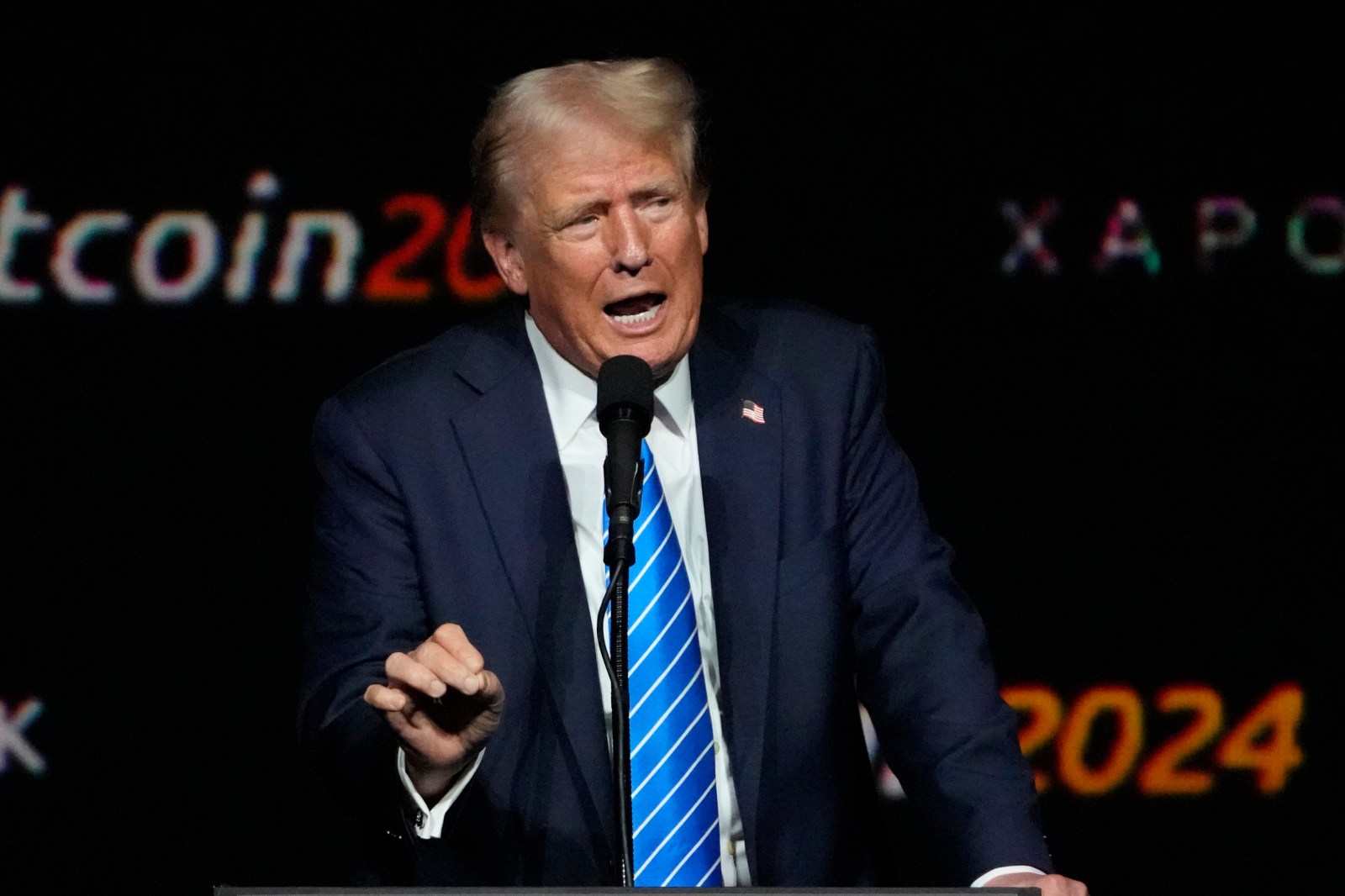
Despite shared concerns over AI regulation, former President Donald Trump emphasized that the U.S. should prioritize winning the global AI race above slowing developments. Chinese Ministry of Foreign Affairs spokesperson Guo Jiakun expressed similar views, warning against fearmongering and competition disrupting global AI governance.
China’s state-backed Global Times newspaper labeled proposals to limit Chinese access to advanced chips as a “Cold War playbook.”
The only control or ‘guardrails’ that AI needs is a STRONG AND SMART (High IQ!) PRESIDENT, and the U.S.A. has that, in spades!” Trump posted Monday on social media.
This reflects a divide between policymakers advocating for rapid AI expansion and industry leaders concerned over safety. Anthropic CEO Dario Amodei and other AI executives recommend slowing the development of advanced models until safety systems improve. They cite risks posed by autonomous systems and cyber threats.
Experts like John Walsh stress that slowing AI innovation will not alter the competitive field, as international rivals are unlikely to halt advancement. He advocates for treating AI agents as system users with identity constraints and trusted environments. Companies need to observe, enforce, contain, and escalate AI actions, emphasizing runtime security and policy-based guardrails.
Most analysts consider the United States as leading in frontier AI development. American firms such as OpenAI, Google DeepMind, and Meta are at the forefront, though China’s rapid progress in domestic chip development and AI innovation narrows the gap.
Despite calls for slowdown, consensus exists on stronger AI safety controls. Amodei has proposed independent evaluations of AI models for safety compliance. Walsh emphasizes deploying governance alongside innovation, recommending that companies utilize Zero Trust frameworks and runtime security to maintain global AI leadership safely.
He suggests the automotive industry can serve as a model. Government can set minimum safety standards while the industry defines execution methods. Independent entities validate performance, and insurers reward standards’ adherence. American leadership aims to set credible AI standards that others can align with, without necessitating new systems globally.
However, Trump is unlikely to endorse significant federal regulation, arguing for maintaining the U.S. technological edge amid competition with China and Russia. He criticizes the notion of AI as a threat, underscoring his administration’s regulatory prowess and emphasizing economic development potential.
Both Trump’s and China’s positions illustrate the difficulty of reaching international consensus on AI regulation amidst geopolitical competition. As the debate evolves, balancing innovation with safety remains challenging for global policymakers.