
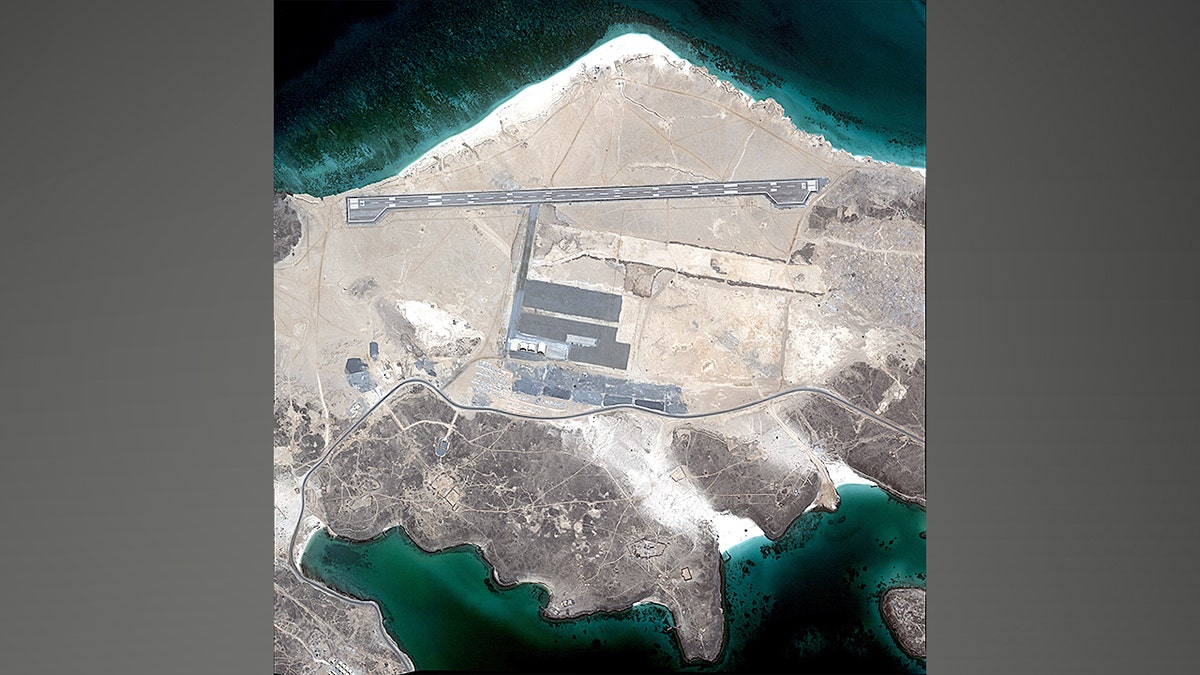
The Iran-backed Houthi rebels have seized control of Perim Island in the Bab el-Mandeb Strait, a crucial global shipping chokepoint. This move has intensified the ongoing conflict in the region. The capture occurred on September 11, following a month-long offensive along Yemen’s western coast. This offensive resulted in more than 1,500 casualties among soldiers and a significant defeat for Yemen’s government.
Morgan Murphy, a former Pentagon press secretary and retired Navy captain, described Perim as “the cork in the Red Sea bottle.” Although strategically significant, he warned that the Houthis have positioned themselves in a vulnerable “kill box,” lacking the military capability of the United States.
The strategic importance of Perim lies in its location within the Bab el-Mandeb Strait, which divides the chokepoint into two sections less than 18 miles wide. The island has been a target for control throughout history, once held by the British Empire for over a century. Known also as Mayun, it is a desolate volcanic island, uninhabitable and lacking resources like water or vegetation.
Satellite imagery reveals the island features a 1.85-kilometer runway and three military hangars, structures attributed to previous UAE construction. Despite having a lengthy airstrip, Murphy questioned its current condition and the Houthis’ ability to use it effectively, given their limited air power compared to the United States and allies.
Reports indicate diplomatic discussions have intensified among Washington, Riyadh, and the Houthis. On September 10, Saudi Crown Prince Mohammed bin Salman reportedly urged President Donald Trump twice to authorize military action against Houthi forces. However, Trump refrained from immediate military intervention, opting instead for intelligence support.
Discussion in Dublin on September 12 saw Trump indicating that the Houthis prefer to avoid direct confrontation with U.S. forces. Murphy, however, suggested that Washington’s caution should not be seen as inaction. He pointed to potential U.S. military actions to protect global energy supply routes if necessary.
Information from regional and Iranian sources underscores that the Houthi advance is supported by Iranian weaponry and guidance from the Islamic Revolutionary Guard Corps (IRGC). U.S. officials estimate hundreds of IRGC personnel remain active in Yemen, aligning with Tehran’s strategy to disrupt global fuel supplies.
Murphy highlighted the strategic imbalance, comparing the current situation to historical naval conflicts. He emphasized the importance of having a strong Navy to ensure the safety of vital shipping lanes worldwide. Ongoing efforts by the Trump administration aim at rallying international allies to ensure these critical waterways remain open for freedom of navigation.