
In a recent commentary by Dan Dakich, he delves into the dynamics surrounding the blame directed at Arch Manning for Texas’ loss to Ohio State last year. Dakich emphasizes that the issue was not Manning’s performance, but rather a lack of open receivers. The chaos of Week 2 in college football underscored this sentiment, as unexpected outcomes unfolded across various matches.
The Oregon Ducks faced a surprising defeat at the hands of Oklahoma State, illustrating the unpredictability of college football. Similarly, Michigan’s victory over the Oklahoma Sooners after a disappointing performance the previous week highlighted the volatility of team rankings and playoff viability.
The game between Texas and Ohio State was pivotal, resulting in a dramatic fourth-quarter comeback by Texas. Despite numerous opportunities, Ohio State failed to secure the win, marking a significant moment in the week’s events.
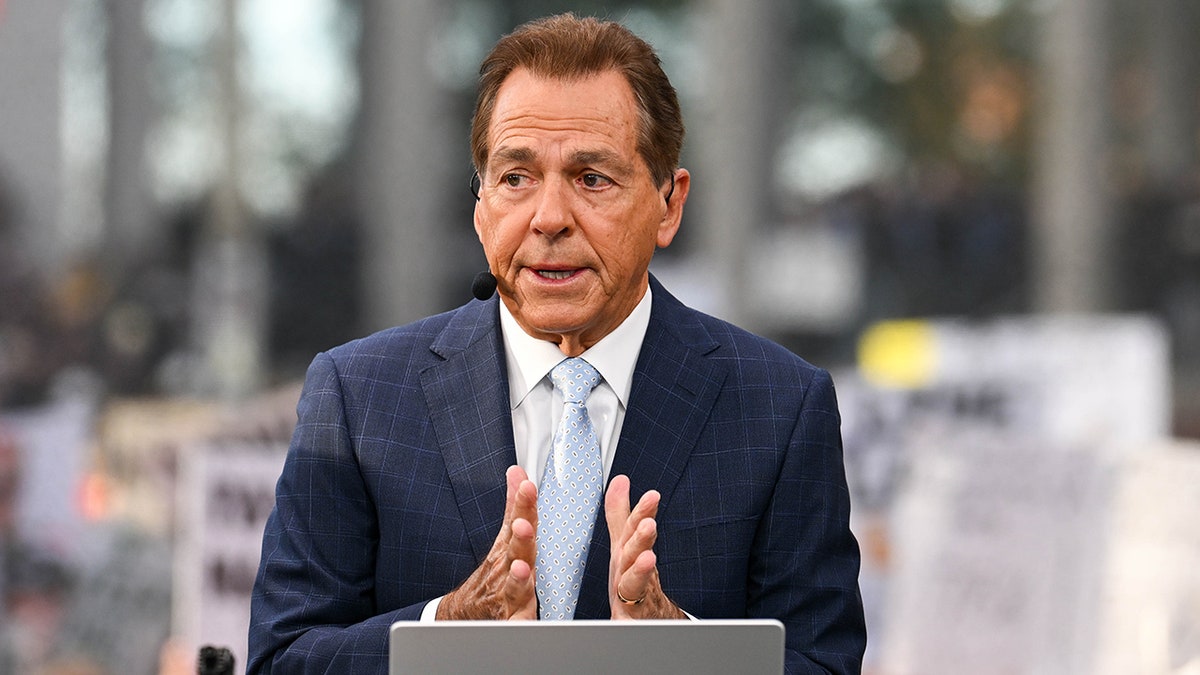
Nick Saban, speaking during ESPN’s College GameDay, addressed the flaws in the current playoff system. He proposed using strength of schedule as a better metric for evaluating team performance. This suggestion aligns with long-standing sentiments from SEC advocates, especially as the conference moves to nine games per season.
Saban argues for the importance of assessing quality wins and losses. He contends that the current system ties team success too closely to the number of wins, rather than the quality of competition. Using only wins and losses as indicators can distort rankings, creating a misleading picture of a team’s capability.
A blend of success rate and efficiency-driven rankings might better reflect a team’s true performance. For instance, Alabama’s season in 2025 was misjudged by usual metrics. Although they were defeated by Georgia, their placement in efficiency-based rankings did not account for their overall season strength adequately.
The Texas-Ohio State game serves as another example. The postgame analytics presented a near-draw situation, with Texas having a marginal win expectancy. Despite the outcome, Ohio State’s standing in subsequent efficiency rankings suggested they remain formidable contenders.
The expansion of the playoff field could encourage larger matchups without the fear of elimination. However, debates about the size and impact of such expansions persist within the football community.
To sum up, Saban emphasized the benefits of strong competition. Playing against top-tier teams enhances players’ skills and lays the groundwork for better future performances. While viewpoints on rankings and playoffs vary, this principle remains universally acknowledged in college football.