
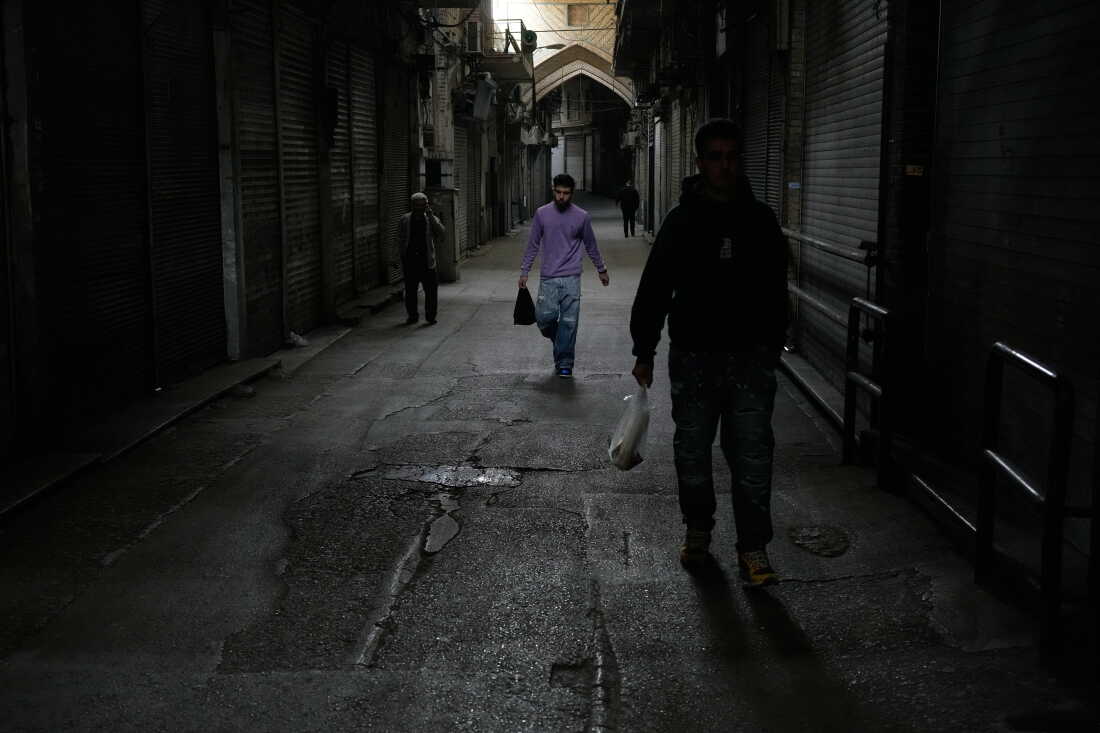
During Iranian New Year, the main bazaar in Tehran remains almost empty, reflecting the dire economic situation. Since the outbreak of war between the United States, Israel, and Iran, the nation’s economy has faced severe challenges.
Challenges Faced by Ordinary Iranians
Rasoul, a 42-year-old engineer, once felt secure in his career. He reassured his wife about their financial safety, saying he could always drive for Snapp, Iran’s version of Uber, if necessary. But after the war erupted, he faced the worst-case scenario. The economy’s collapse has led to soaring inflation, affecting the cost of essential goods like gas, food, and rent. Many Iranians have been forced to borrow money and delay personal goals due to the financial strain.
The official unemployment rate stands at 9%, but independent analysts believe the true number is much higher. Jobvision, a major Iranian job portal, reported a 50% increase in resume submissions in April. Even Alireza Mahjoob, head of Iran’s Workers House, admitted on state television that unemployment was worse than expected. He expressed concern for the working class’s uncertain future.
Disruption in Business and Communication
Rasoul’s situation worsened quickly. During a government crackdown on protests in January, the regime severely restricted internet access, impacting his company’s operations. This led to a loss in customers and disrupted worldwide networks crucial for business. By February, Rasoul lost his job and faced a period of depression. He started driving for Snapp at night but struggled with rising fuel prices and dangerous conditions due to ongoing airstrikes.
Kayvan, another engineer, also faced job loss. He worked with a Chinese firm supplying materials to Iran’s oil sector. As the fighting intensified, trade routes closed, including the Strait of Hormuz. This made maritime transport impossible and led to his business’s collapse.
Social Impact and Family Challenges
With no steady income, Kayvan’s family depended on his wife’s earnings and dwindling savings. The extreme inflation has made daily life challenging, and he echoed the sentiment that the situation needs to improve.
Temporary relief has come for Rasoul; he secured a sales manager position in July. However, the ongoing conflict means stability remains uncertain. Rasoul feels like a passenger on a train, unsure of the future.