
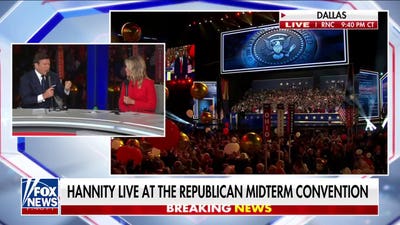
At the GOP midterm convention, President Trump made a significant impact with his clear and direct messaging. The event, which took place on September 10, 2026, was marked by Trump’s unapologetic stance on various issues, particularly regarding the Iran conflict. He expressed no regrets over the Iran war, affirming his decisions during his presidency.
Prominent GOP figures highlighted their concerns about the Democratic Party, with frequent mentions of how Democrats are perceived to be veering away from core values. Trump capitalized on this sentiment, emphasizing the importance of voting in the midterms. He even led attendees in a pledge to vote, reinforcing his presence as a key influencer within the party.
Gen Z voters showed a shift in focus from cultural issues towards more immediate economic concerns. The GOP convention served as a platform for these younger voters to voice what they see as kitchen-table priorities, such as inflation and employment.
There was a standout moment when Karoline Leavitt, a notable figure at the convention, criticized socialist ideologies. She warned that such movements could jeopardize the American Dream, tapping into fears of radical shifts in U.S. policy.
The seized Red Sea port city by Iran-backed Houthis brought foreign affairs into sharp focus. This development underlined trade concerns, and speakers at the convention called for stronger U.S. policies in response to international threats.
Unexpected scenes unfolded when a protester hurled a Mexican flag while Vice President JD Vance was speaking. The incident was part of a series of disruptions that reflected the charged atmosphere surrounding the convention.
Amidst these heated exchanges, the Pentagon paid tribute to the victims of 9/11, commemorating the tragic events with a sunrise flag ceremony. Franklin Graham led a special session revealing lesser-known stories of survival and encounters amidst the rubble of that day.
The event painted a complex picture of contemporary American politics. It highlighted ideological divides, ongoing international conflicts, and shifts in voter priorities just ahead of the elections.