
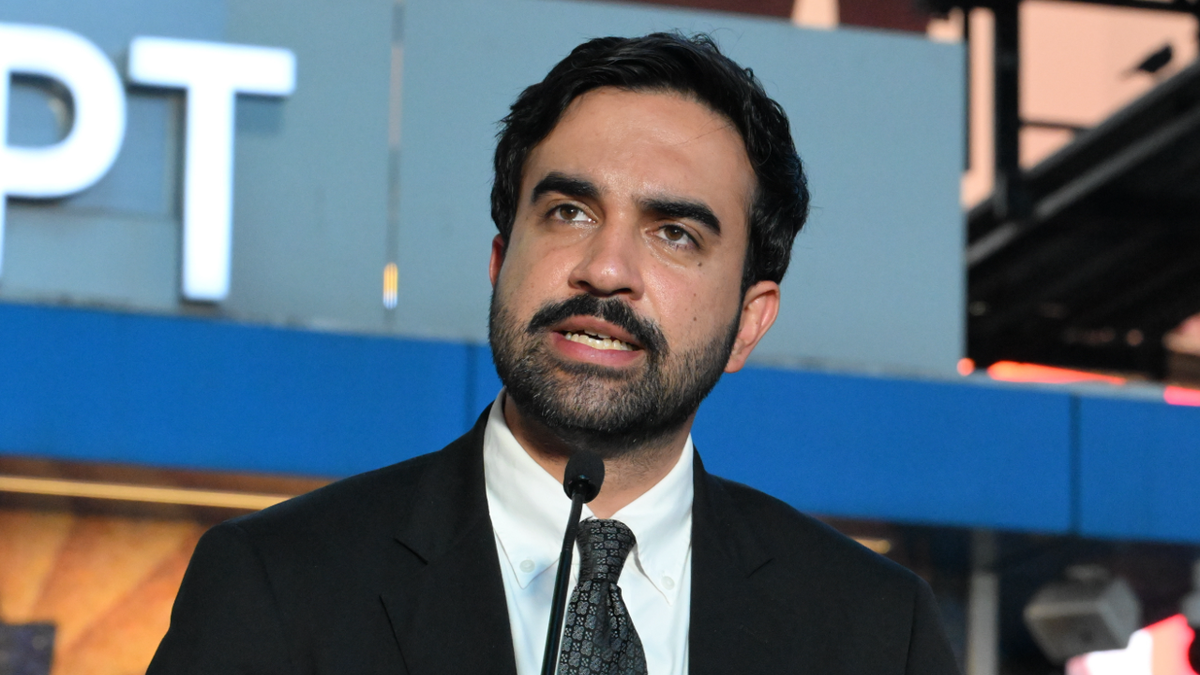
New York City Mayor Zohran Mamdani recently disclosed over 170,000 pages of records that challenge earlier assertions about air quality at Ground Zero following the 9/11 attacks. These documents, discovered in 68 boxes at the Department of Environmental Protection in 2025, reflect post-9/11 environmental assessments.
This release comes on the eve of the 25th anniversary of the 9/11 terrorist attacks, which resulted in 2,977 deaths. According to the World Trade Center Health Program and other health institutions, numerous individuals exposed to the debris have died from related diseases, with many more afflicted by ongoing health issues.
Air Quality Claims Challenged
In a September 18, 2001, press release, then-EPA Administrator Christine Todd Whitman claimed the air near the World Trade Center was safe. However, Mamdani noted during a press conference that the public was misled by false assurances regarding air safety.
The records indicate that asbestos was found ten months after the attacks at 15 John Street, close to Ground Zero. Asbestos levels at some sites surpassed cleanup benchmarks, and health experts warn of the dangers of any asbestos exposure.
Documents include a February 28, 2002, memo from then-Mayor Michael Bloomberg’s advisor regarding Rep. Jerrold Nadler’s concerns. Nadler highlighted issues with indoor air quality in Lower Manhattan, warning that inadequate oversight could lead to public relations and legal challenges for the city.
Concerns at Stuyvesant High School
Testing at Stuyvesant High School uncovered asbestos in auditorium carpeting. In August 2002, testing revealed 2.5 million asbestos structures per square centimeter, far exceeding EPA cleanup benchmarks. The NYC Department of Environmental Protection confirmed these findings in an August 7, 2002, press release.
Tribeca Residents Challenge Cleanup Efforts
In July 2002, Independence Plaza North Tenant Association criticized the EPA’s cleanup methods in Tribeca. Diane Lapson of the tenant association urged for comprehensive asbestos testing, citing ongoing health issues among residents since 9/11.
By September 2002, the EPA announced contracts for asbestos cleanup in downtown areas. Nevertheless, litigation records showed persistent contamination in some Lower Manhattan apartments months after efforts began. Specifically, Lori Mogol and Richard Zimbler found high asbestos levels in their home in February 2003, indicative of lasting concerns over air quality post-9/11.