
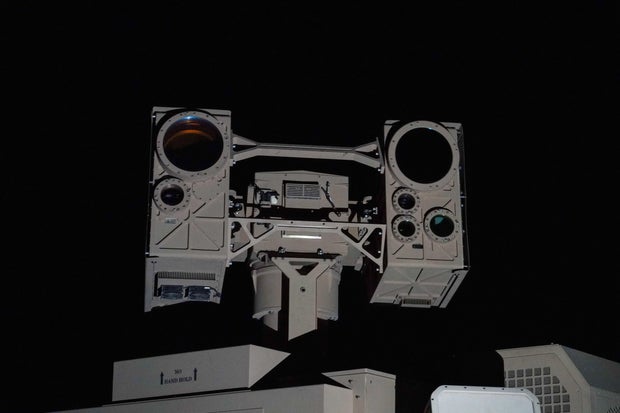
By September 7, 2026, military officials reported a notable decrease in the number of drones along the southern U.S. border in the Rio Grande Valley. A high-energy laser weapon system has led to a 75% drop in drone activity since its implementation. This laser system gained attention after effectively taking down three drones on August 25 and 26.
Decrease in Drone Activity
The military initially used the laser system following extensive training, which included a temporary shutdown of El Paso’s airport earlier in the year. Regular coordination with the FAA ensures the safe operation of the laser without risking civilian safety.
The laser not only prevents drone threats but also permanently disables them. By the beginning of the year, military operations halted 300 drones linked to cartels, with eleven being intercepted by the laser within ten days.
When you just send it back and it comes back, the laser ensures the tool can’t be reused against you,said Army Col. Robert Felicio.
There is a definite change in drone activity, though other factors such as cartel behavior might also influence this drop. Annually, about 1,000 drone incursions are reported at the border.
How the Laser System Works
The Army Multi-Purpose High Energy Laser System uses an invisible heat beam to disable drones. During a test viewed by CBS News, soldiers operated the system with an Xbox controller and an iPad-like device. The laser strikes the drone, causing damage evident on recovery. The used system is a modified version of LOCUST, produced by AeroVironment. Currently, multiple systems are utilized along the border, with future expansions planned, following a $465 million contract.
Army Lieutenant Owen Farquer noted using a video game controller to operate the system is intuitive for soldiers familiar with gaming. Despite its limits in challenging weather conditions, the laser provides an affordable counter-drone tool, with each use costing around $3.
Coordinated Safety Measures
Despite potential risks near civilian areas, coordination with the FAA ensures safe laser operation. The U.S. government also coordinates with Mexican authorities to monitor cross-border drone threats.
Drone activity, funded by cartels, involves surveillance to avoid law enforcement during illegal activities. Army Lt. Col. Ray Richards explained the significance of disrupting drones, as it financially impacts cartels.
Cartel Drone Use in Mexico
Cartels employ drones for armed attacks within Mexico. Between 2021 and 2025, such drone incidents resulted in 77 fatalities. U.S. military officials assess threats posed by drones to the 8,000 service members and border law enforcement.
Felicio expressed the laser’s advantage in permanently eliminating drone threats: If I just keep making it go back and it comes back again – if it’s an immediate threat, I’m getting rid of it, but long term, I’m just allowing the cartel to continue to use that thing, whereas if I am able to use the [laser], now that’s gone.
The laser system presents a strategic asset in managing and reducing drone activities at the U.S. southern border.