
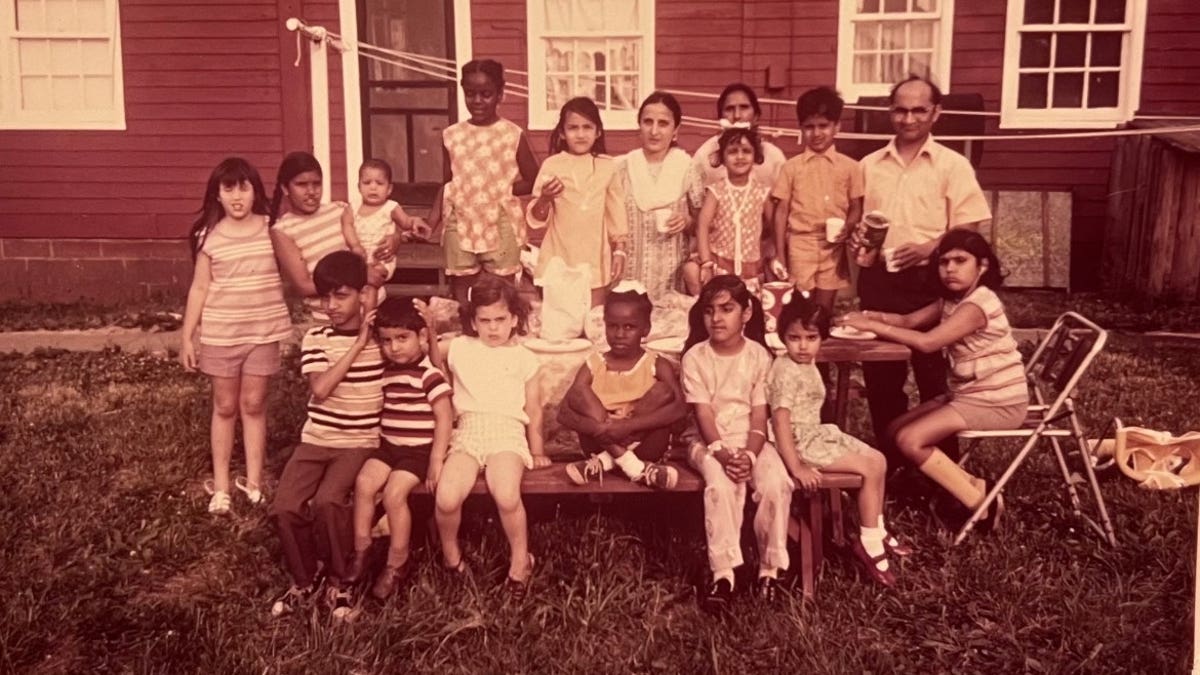
Zafar Nomani, born in India in 1933, followed a philosophy of gratitude throughout his life. He shared with his daughter the joy of hard work, even by planting a single flower.
In 1962, Zafar Nomani was a visiting teacher at Kansas State University in Manhattan, Kansas, having arrived from India on a fellowship. One day, he saw his professor washing cars during a church car wash alongside students. This moment struck him profoundly. He often spoke of seeing the ‘dignity of labor.’
My father treasured this moment for the rest of his life. Over six decades later, I am now rediscovering his story as my family mourns his passing at 93 in Morgantown, West Virginia. Engaging with his tools reminds me that my life with him was complex. I have come to see his role in my life differently.
As a girl growing up in America from the age of four, I believed I was challenging patriarchal norms. However, my achievements as an investigative journalist stemmed from my father’s invisible labor that empowered me.
His view of labor was not simply work performed from nine to five; it was about caregiving and support that made my independence possible. This summer, caring for him in a hospital rekindled memories of him supporting me and demonstrating unconditional love.
Zafar Nomani’s belief in gratitude shaped every aspect of his life. He lived not from a place of victimhood, but from the empowering notion of ‘I get to.’ This philosophy emerged from his challenging circumstances, including surviving the Bengal famine of 1943 and experiencing hunger.
He shared his philosophy with my mother on their wedding night in 1962, expressing a commitment to ‘serve humanity,’ which influenced many facets of his life journey.
“I get to eat,” he would reflect as a lesson from his difficult past.
Building a career as a professor in Morgantown, he devoted himself each day to work without resentment, embodying gratitude. He also embraced supportive roles within the family, facilitating growth and opportunity for others without hesitation.
His love language was service, expressed in actions rather than words. As Islam became stricter globally, he supported me and my independence, never hindering my ambitions or athletic participation.
His approach to fatherhood included driving us to opportunities and fostering my mother’s dreams. This readiness to assist remained consistent throughout his life.
He understood that creating opportunities for others was vital. For months, I helped care for him during difficult times, drawing strength from his lifelong example of service.
In exploring his actions, I have learned the importance of expressing love through everyday labor and service.
My father’s legacy taught me that dignity in labor goes beyond the traditional sense. It involves serving others with humility, making meaningful contributions to their lives, and doing the unnoticed work that significantly impacts those we love. This Labor Day, his lessons resonate more than ever as I carry forward his philosophy in my life.