
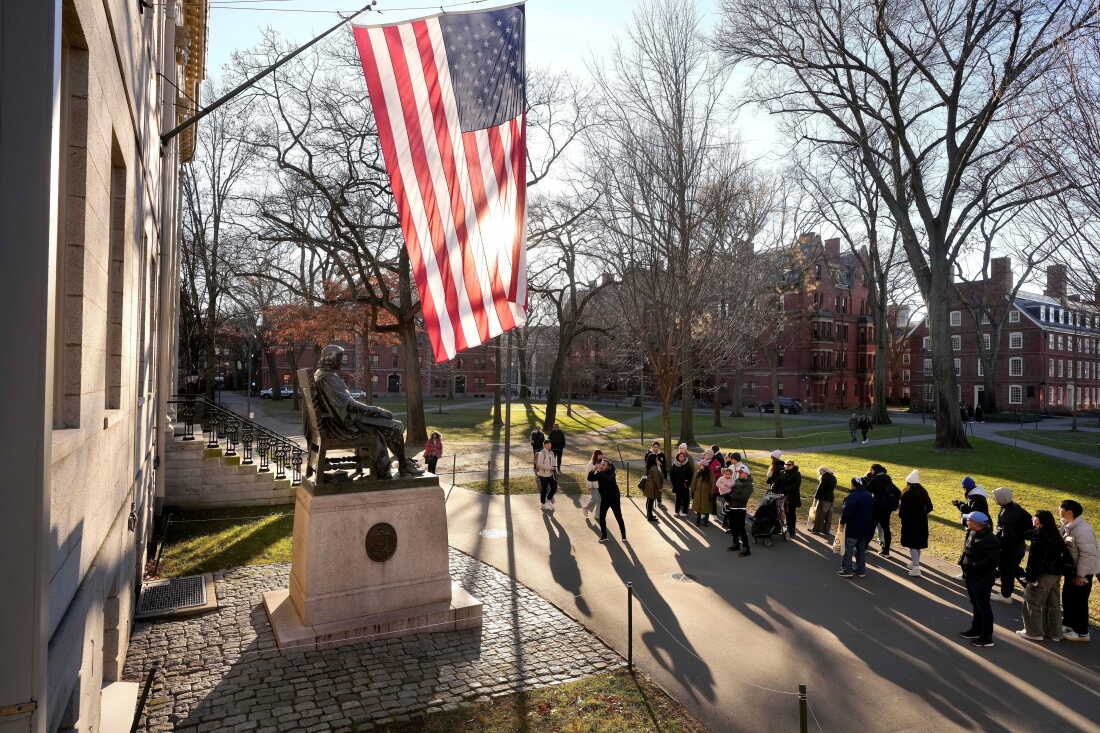
The Trump administration is proposing a new regulation aimed at withdrawing tax-exempt status from private schools and colleges that offer targeted help to students based on race. This initiative marks a substantial effort by the administration to eliminate diversity programs focused on Black, Hispanic, and other minority students.
The Treasury Department introduced this change on Thursday. If finalized, the regulation would take effect after May 2027. The targeted benefits in admissions, scholarships, and facilities are viewed as incompatible under the proposed rule.
According to Mike Gavin, CEO and president of the Alliance for Higher Education, the regulation is an attack on higher education access for working-class Americans and people of color. He argues that the administration is misrepresenting efforts to increase fair opportunity for all students as discriminatory. Higher education leaders have largely criticized the proposal.
The administration’s latest rules changes aim to keep working-class Americans and people of color from accessing higher education and a better life, says Mike Gavin, CEO of the Alliance for Higher Education.
Several universities have either closed or renamed their Diversity, Equity, and Inclusion (DEI) offices. The pressure from the White House has led to an end of scholarships and clubs designed for minority students. Despite rebranding, Treasury Secretary Scott Bessent asserts these policies remain discriminatory. The proposal affects an estimated 18,000 private educational institutions.
Trump has previously viewed tax-exempt status as a tool in his pressure campaign against universities, such as when he threatened Harvard University with revoking this benefit. Harvard argued that such actions lack legal basis and would harm financial aid and medical research.
Historically, federal action to revoke tax-exempt status from colleges is rare. One precedent includes Bob Jones University, which lost this status in the 1970s over a ban on interracial dating, a decision upheld by the Supreme Court. The institution restored its tax-exempt status in 2017 after lifting the ban.
Trump administration officials frame the proposed regulation as a means to reintegrate merit-based policies into the education system. Marjorie Hass, president of the Council of Independent Colleges, states the potential impact on scholarships and donations due to this uncertainty. Tim Powers, of the National Association of Independent Colleges and Universities, underscores the compliance and legal challenges these institutions may face.
The IRS’s stance is foregrounded with a warning that private schools engaging in discriminatory practices will risk losing tax exemptions. IRS Chief Executive Frank J. Bisignano emphasizes stringent adherence to civil rights laws.
The process of revoking tax-exempt status is traditionally linked to a high threshold. Historically, the nonprofit status has been contentious for conservative colleges fearing losses over their conduct codes against same-sex relationships.
The future actions taken by the Trump administration in response to this proposal may dictate Democratic reactions in the political spectrum. Should the regulation lead to widespread revocation of tax-exempt statuses, Democrats may consider retaliatory measures upon their return to power, notes Preston Cooper from the American Enterprise Institute.