
The Allure and Impact of Bret Easton Ellis’s Fiction
In a mirrored dressing room within a Beverly Hills estate, a woman indulges in a fantasy acceptance speech, holding an Oscar statuette. Her words are filled with resentment rather than gratitude. The harshest remarks are aimed not at Hollywood, but at her daughter, a popular student at an elite private school in Los Angeles. The condemned speech reflects the allure and impact of Bret Easton Ellis’s works, capturing the excess of a bygone era.
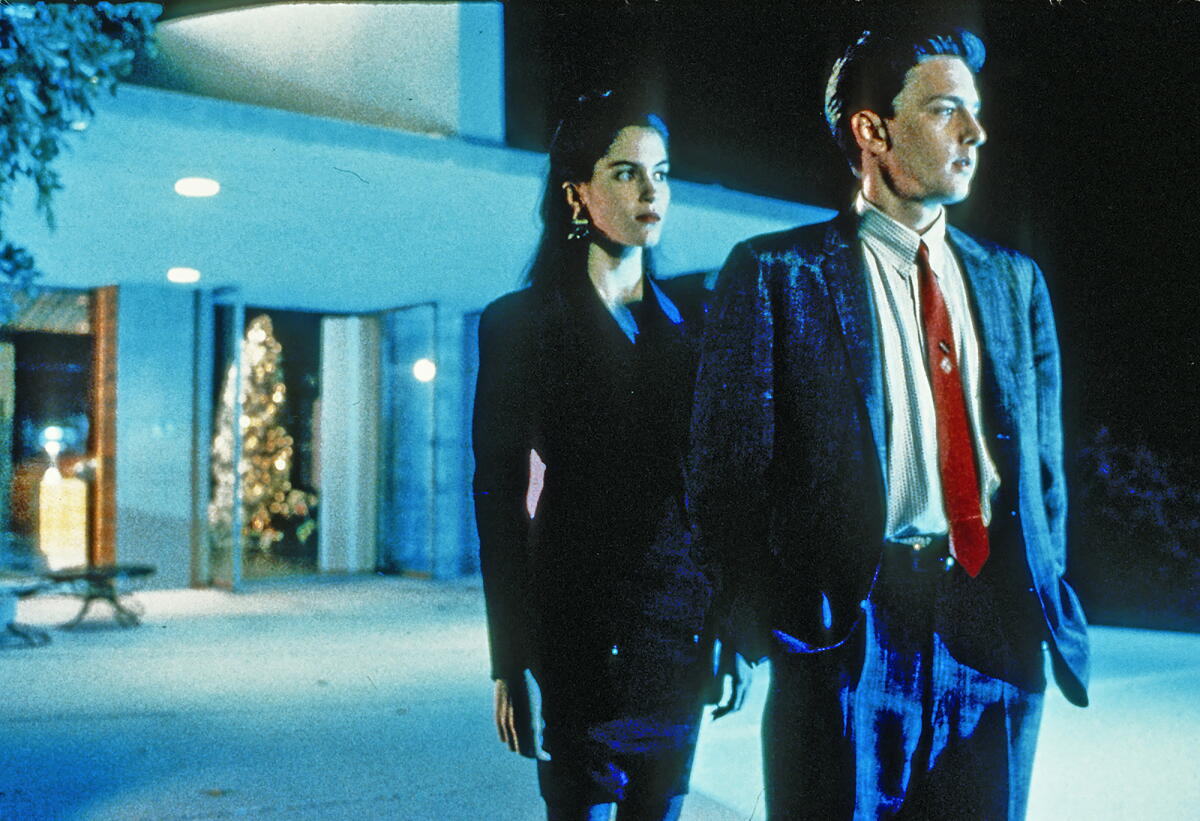
Bret Easton Ellis made a significant impact with his depiction of 1980s Los Angeles. His narratives, laden with vivid portrayals of privileged youth, negligent parents, and a subculture of excess, have influenced perceptions of these high society enclaves. The series “The Shards,” adapted from an Ellis novel, conveys this impact. Airing on FX this summer, it follows the turbulent journey of affluent high school friends amidst a backdrop of decadence and crime.
The Veiled Iniquities of the 1980s
In “The Shards,” the storyline includes a sadistic serial killer, yet the real monsters are often the careless, self-absorbed parents. These figures cause profound harm to their children. Such portrayals beg the question of whether parenting in 1980s Los Angeles truly was this harmful. Reflecting on this era, comparisons are drawn to modern-day parenting dynamics, such as helicopter parenting. Yet, excessive involvement is brought into question.
Several years ago, the college admissions scandal tarnished the reputation of L.A.’s elite institutions. Wealthy parents were accused of manipulating their children’s paths into prestigious universities. The scandal was reminiscent of Ellis’s imagined woes, where law enforcement descended upon lavish residences, arresting notable socialites and business leaders.
The Cultural Examination by Ellis
Ellis’s career took off with the release of “Less Than Zero” in 1985. His first novel drew critical discourse about neglected offspring and materialistic cultures. Ellis famously characterized the fictional parents as so “insatiable” they figuratively consumed their children.
In “The Shards,” this theme persists. Robert Lloyd suggests adults, when present, are either disappointing or dangerous. The narrative resembles a suspenseful horror story where hidden monsters heighten tension. In the 1980s, concerns over unruly youth and negligent parenting in opulent neighborhoods were widespread, beyond the scope of Ellis’s fiction.
Reality Reflections
Pacific Palisades gained notoriety as a symbol of affluent chaos after a series of fatalities in 1988. News programs like “60 Minutes” and “20/20” spotlighted parents who permitted their children excessive freedoms.
Contrary to villainous portrayals, many parents were proactive. In Beverly Hills, adults organized late-night sober events for teens, offering alternatives to wild gatherings. The community rebuked adults endorsing improper behavior. A Beverly Hills PTA president once criticized a father for glorifying his son’s profit from underage alcohol sales.
Three years post-“Less Than Zero’s” release, Michael Leahy’s “Hard Lessons” dissected Beverly Hills High School life, highlighting indulgent parties and societal pressures. A student asserted the true issue was the relentless pursuit of achievement and perfection, rather than extravagance.
An Enduring 1980s Mindset
The review of “Hard Lessons” suggested the core value of upward mobility persisted. The pressure to secure the “right” college path laid a foundation for career and monetary success. Ellis’s characters in “The Shards” embody this drive, aspiring to Hollywood stardom or literary greatness. Despite decades passing, the fundamental pressures of the 1980s maintain relevance.
A California dream still chasing many—a mirage of success.