
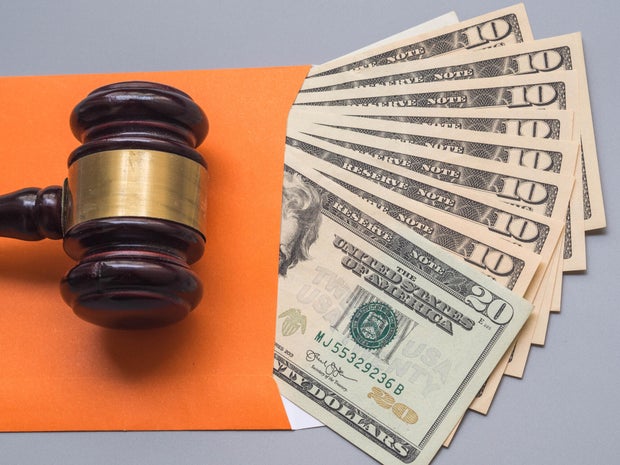
When part of your paycheck or funds in your bank account are seized due to an old debt, it can lead to immediate financial challenges. This money is usually meant for essential expenses like mortgage or rent, groceries, and utilities. With budgets stretched because of high borrowing and household costs, even losing a small portion can have a big impact.
Unexpectedly, the amount of money taken via garnishment might be more than you anticipated. A debt initially at $5,000 might end up being much higher after interest, court costs, or collection fees. Furthermore, a creditor might not account for previous payments correctly.
Addressing Overpayment in Garnishment
If a debt collector garnishes more than you owe, getting the extra money back isn’t automatic. This depends on why the overpayment occurred, where the funds are in the process, and your state’s procedures. If the excess funds haven’t been transferred yet, it might be possible to correct the overpayment quickly. However, if the creditor already received the payment, you may need to request a refund or involve the court.
Your first step is to verify the overpayment. Compare the garnished amount with the remaining balance on the judgment before the disputed transaction. Factor in any interest or additional legal costs. Request a complete accounting from the debt collector, showing the judgment balance, payments received, and application details. Check this against your pay stubs or bank records.
If the records confirm an overpayment, contact the creditor or collector to request a refund. You might also need to alert your employer or the court, depending on your state’s rules. Keep copies of all correspondence and record any calls regarding the issue.
If the collector disputes your calculation or refuses to return funds, you may need to ask the court for help. This process varies by state but could involve filing an objection or motion to determine the correct balance and order the return of improperly collected money.
Preventing Garnishment Issues
Preventing garnishment is easier before legal action is taken. Once a judgment is entered, creditors gain powerful collection options like wage garnishment and property liens.
If you’re behind on payments but haven’t been sued yet, consider debt relief options. These might include negotiating directly with creditors, using a debt consolidation loan, or enrolling in a debt management plan. If repaying unsecured balances in full is not feasible, debt settlement might be an option. This involves negotiating for lower lump-sum settlements, although risks like credit damage and fees exist.
If you’ve already been sued, don’t ignore it. Not responding can lead to a default judgment, allowing collectors to garnish wages or seize assets before you can dispute the debt.
Final Thoughts
If over-garnishment occurs, don’t expect automatic reimbursement. Verify the judgment and payoff amount against what was withheld. For discrepancies, contact the collector and the court, and seek legal advice if needed. For those yet to face garnishment, act now to explore solutions before courts get involved.