
Oliver Stone’s film, Platoon, celebrated its 40th anniversary with its portrayal of American culture during wartime, capturing themes of bravado and chauvinism through the character Bunny. Stone exemplified mid-1980s Americana with references to cars, country music, and beer.
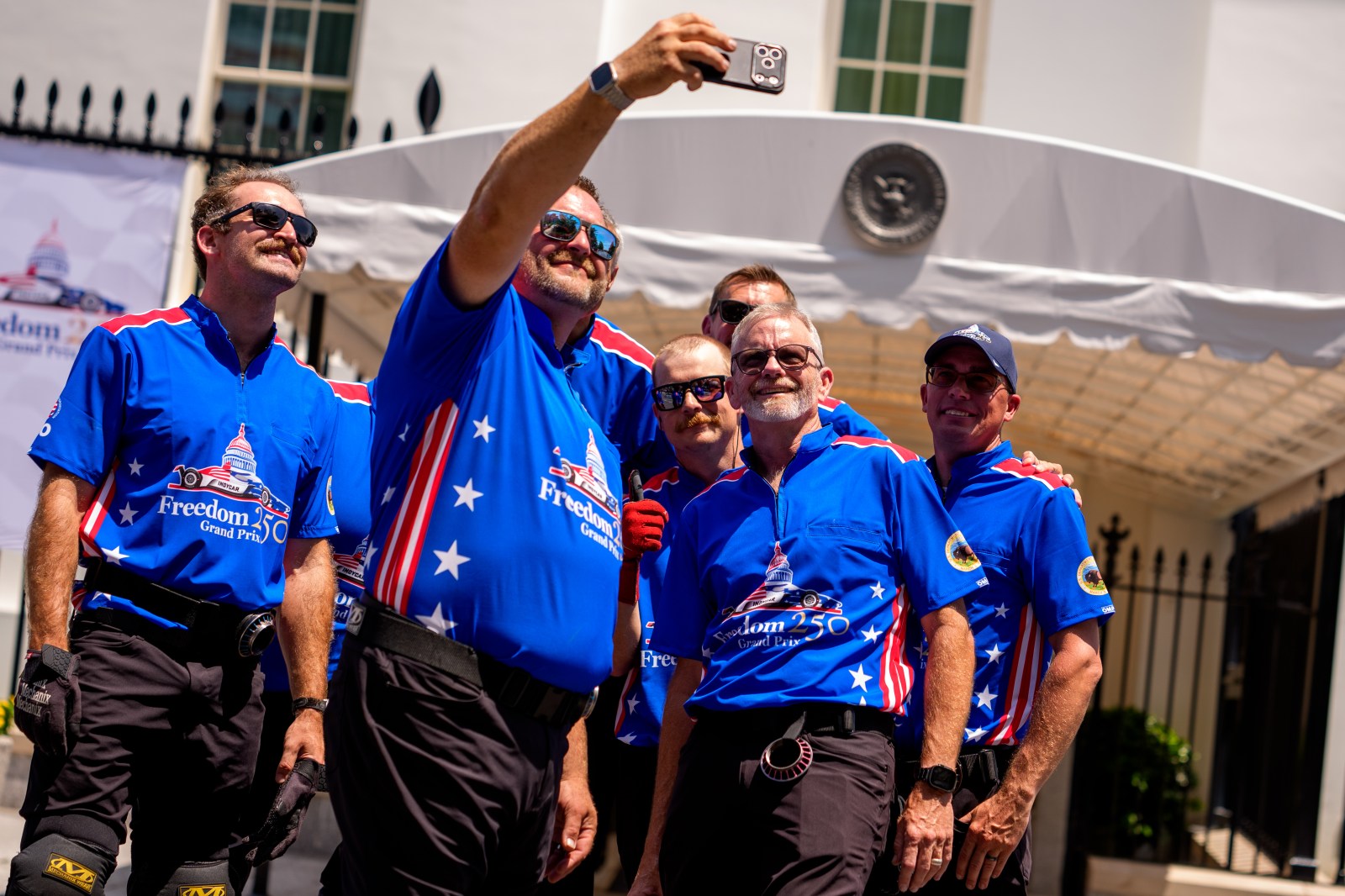
Today, the intersections of culture and politics manifest in the Freedom 250 IndyCar race held at the National Mall. Initiated by President Donald Trump, this event places a traditionally red-state pastime in a predominantly liberal city. This cultural juxtaposition offers a chance for diverse perspectives to share common ground, despite initial perceptions as divisive.
The race reflects Trump’s long-standing history with IndyCar, dating back to 2011 when his attempt to drive the pace car at the Indianapolis 500 was rebuffed, leading to the “Bump Trump” protest. Years later, Trump aligns with influential figures like Roger Penske, a race-team owner who supports him politically and has deepened connections through business acquisitions.
Penske’s support spans beyond IndyCar, mirrored by Dana White’s event at the White House celebrating Trump’s milestones. Such collaborations epitomize the merging of sports spectacles and political homage, often misrepresenting the broader fan base.
IndyCar marketing, exemplified by fleeting merchandise like the Freedom 250 T-shirt featuring Lincoln, occasionally missteps due to insular perspectives unreflective of wider societal sentiments.
NASCAR, often stereotyped as predominantly Republican, surprisingly mirrors broader demographic trends across age, gender, and urbanization, akin to mainstream sports realms. Despite political leanings among NASCAR’s fan base, media portrayals exaggerate polarization beyond reality.
Major League Soccer’s viewership figures pale in comparison to NASCAR’s, showcasing motorsport’s enduring national popularity despite often outdated perceptions.
IndyCar’s embrace of global diversity challenges conventional narratives. Cars combine European design with U.S.-built engines, reflecting an inclusive ethos even in the context of political tensions.
Hope Riester exemplifies individual passion transcending political divides, yet opts out of attending the Freedom 250 due to political discomfort, underscoring polarization’s personal impact.
Earlier apprehensions about the World Cup’s sociopolitical hurdles proved unfounded; human interactions overshadowed divisive politics, revealing America’s multifaceted identity beyond governmental representation.
As residents approach the National Mall for the Freedom 250, varying backgrounds converge without political preconditions, united by spectacle and shared experience. Formula One’s global footprint parallels racing’s universal appeal, dismantling stereotypes limiting IndyCar to certain locales.
The Freedom 250 becomes an opportunity for real-time reconciliation among diverse Americans. For 147 laps, participants witness collective engagement without algorithms dividing them—a testament to possibilities within shared spaces.