
Volodymyr Zelensky faces a challenging week. Anti-corruption officials recently conducted a raid on the office of Iryna Mudra, the deputy presidential chief of staff, along with another senior lawmaker. This occurred shortly after a former minister, dismissed by Zelensky in July, publicly called for new elections despite Ukraine being under martial law.
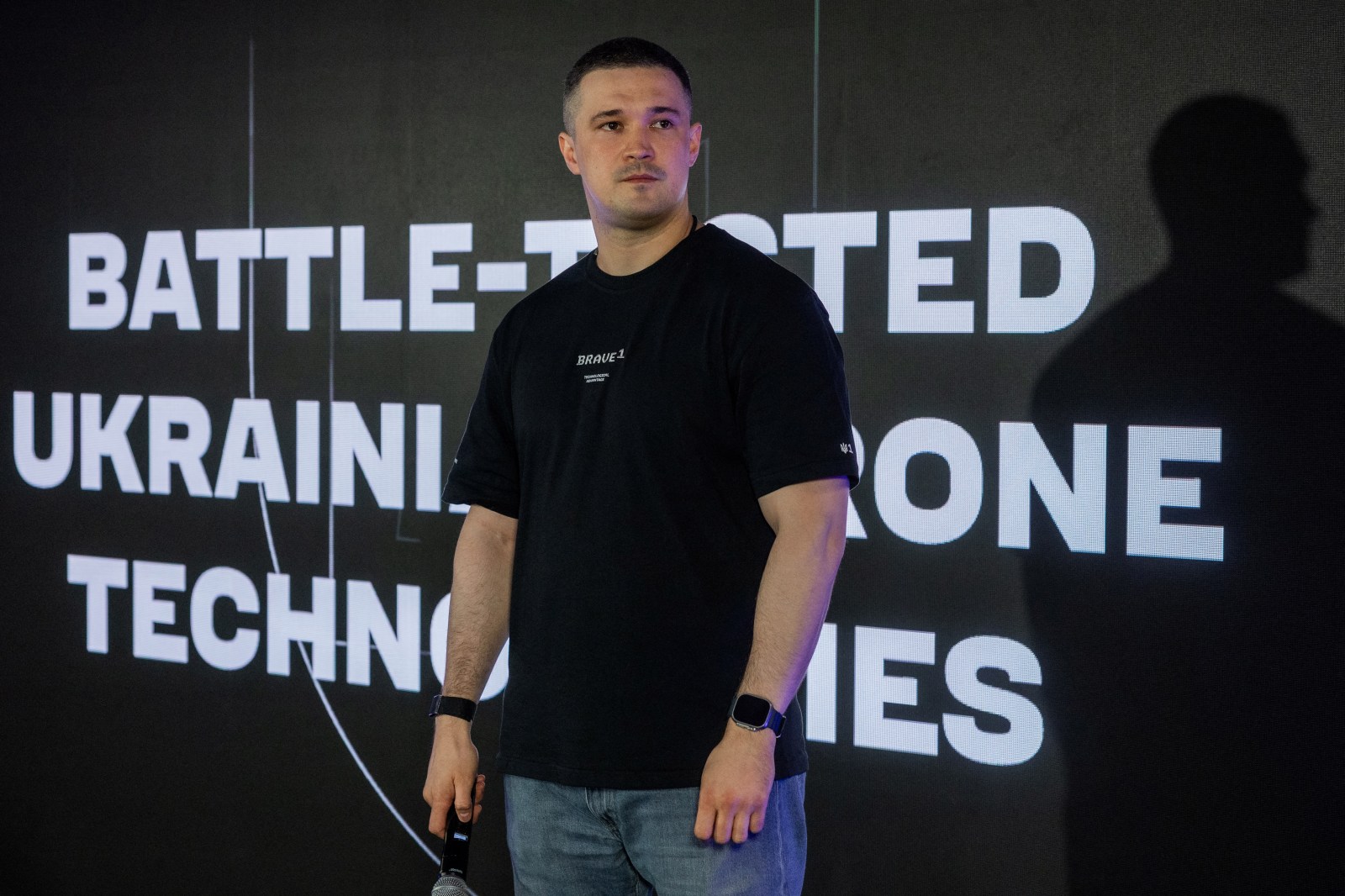
Mykhailo Fedorov, the former defense minister, addressed the nation via YouTube, stating that ‘democracy is not a peacetime luxury.’ He argued against ongoing corruption in Kyiv and urged for a ‘legal, safe, and realistic’ method to conduct elections. While he avoided naming Zelensky, his message clearly challenged the government’s legitimacy.
The Kyiv International Institute of Sociology (KIIS) reveals only 15 percent of Ukrainians support holding elections amid ongoing Russian attacks. A majority believes elections should be postponed until a peace agreement is reached. Among those distrustful of Zelensky, only 44 percent support immediate elections, with 50 percent advocating for a ceasefire first.
Zelensky remains relatively popular despite a summer dip in approval. Public dissatisfaction with certain decisions does not equate to a desire for change during wartime. Fedorov hopes to unite sentiments, yet polling data suggests this is currently unlikely.
Ukrainian law allows indefinite election postponement under martial law, making Fedorov’s proposal impractical. Orysia Lutsevych from the Ukraine Forum at Chatham House argues this move pressures Zelensky and increases Fedorov’s influence through public pressure.
Despite being young, Fedorov has influenced Ukraine’s political and defense sectors. As digital minister, he gained recognition for mass digitization of public services, helped modernize the defense industry, and expanded drone technology. His dismissal led to public backlash, highlighting his significance.
Approximately 70 percent of Ukrainians favor EU membership. In June, the EU began basic negotiations with Ukraine on legal, political, and economic reforms. Recent anti-corruption raids show Ukraine’s need for these reforms before EU alignment.
Lutsevych notes that Ukraine’s European allies oppose wartime elections, challenging Fedorov’s legal viability. Actions like reducing corruption and improving institutions can occur without elections.
Another notable figure in Ukraine is Valery Zaluzhnyi, the former commander-in-chief and current UK ambassador. He’s anticipated as a strong contender for the presidency in future elections. Known as the ‘Iron General,’ Zaluzhnyi has been outspoken about NATO, yet he avoids political division during the ongoing conflict.
Fedorov, while popular, doesn’t currently present a presidential threat. Polls by SOCIS place him behind Zelensky and Zaluzhnyi, although he hasn’t declared a campaign. Despite criticisms of Zelensky and corruption issues, most Ukrainians defer presidential election discussions while the nation remains at war.