
Prosecutors in Salt Lake City highlighted the significance of an engraved bullet in the case against Tyler Robinson. The bullet bore the message “Hey Facist! CATCH!” suggesting Charlie Kirk was targeted due to perceived political beliefs. This detail becomes crucial in the death penalty consideration.
The prosecution and defense have presented opposing documents addressing whether the crime involved aggravating factors qualifying Robinson for the death penalty. Such factors include potential political targeting and the risk to thousands attending Kirk’s event at Utah Valley University on September 10.
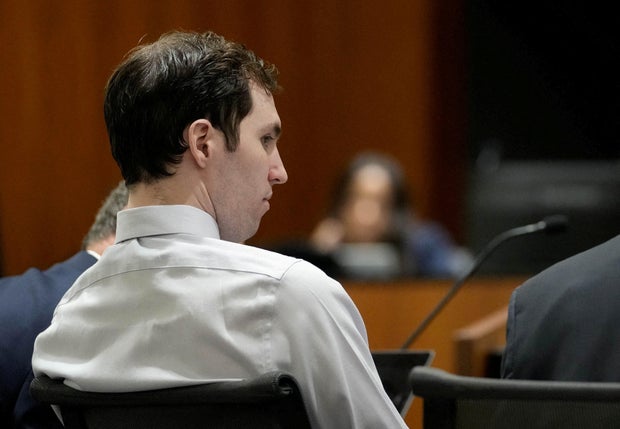
Robinson faces charges including aggravated murder and has not yet entered a plea. He turned himself in one day after the incident. The 23-year-old appeared in court where the hearing took place in Provo, Utah, on June 12, 2026.
“As difficult as these last few days have been, it brings our family comfort to know that the world has witnessed the overwhelming evidence of what occurred to Charlie that day,” Kirk’s family expressed.
Judge Tony Graf will decide the trial’s advancement after hearing both sides again on September 1. On Tuesday, prosecutors argued the engraved bullet was an overt political message. A text from Robinson stated dissatisfaction with Kirk’s views, which prosecutors see as evidence of political motivation.
Robinson’s attorneys contested the strength of this evidence. They remained unavailable for comments on recent prosecutorial filings. Charlie Kirk, before his death, actively supported President Trump’s re-election through Turning Point USA, opposing same-sex marriage and gender-affirming care.
Robinson reportedly opposed Kirk’s stance, with links to a romantic partner, Lance Twiggs, who was contemplating gender transition at the time. Prosecutors referenced a note, allegedly from Robinson to Twiggs, mentioning “taking out Charlie Kirk.” Twiggs, however, claimed Robinson seldom spoke about Kirk or LGBTQ+ issues.
During July’s hearing, investigators tied Robinson to the weapon and engraving tool through DNA analysis. Defense raised doubts about the DNA evidence’s reliability. They also argued against sentence enhancements related to endangerment, acknowledging Kirk was the intended target.