
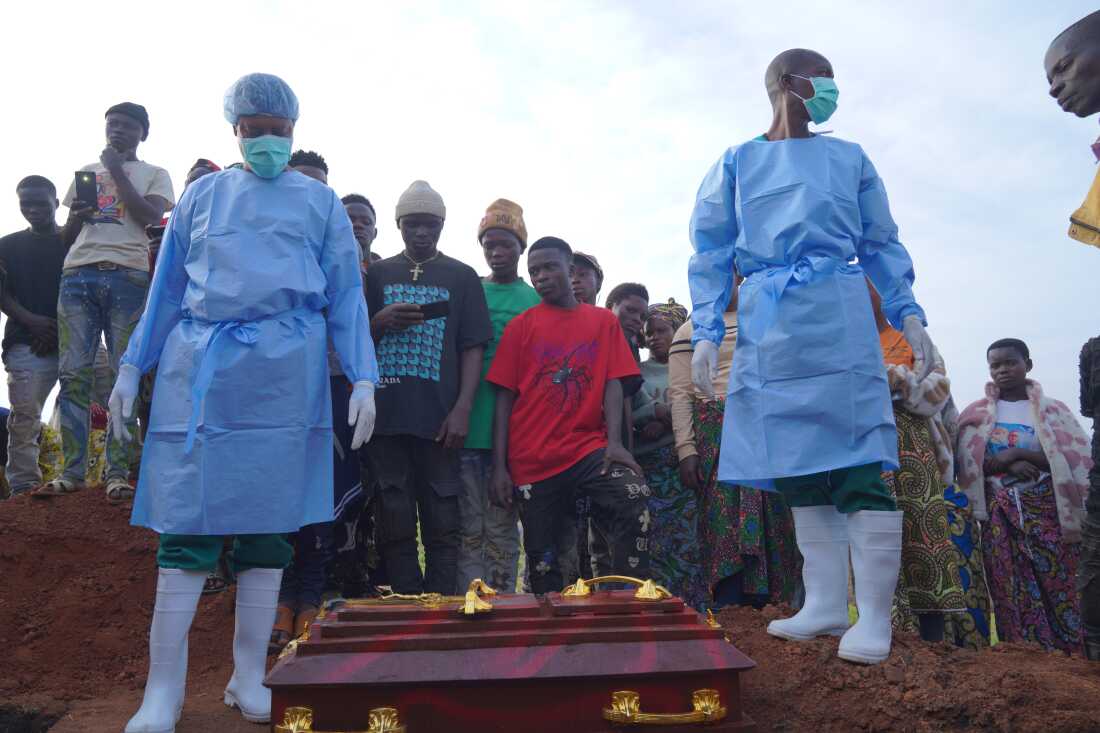
The current Ebola outbreak in Congo’s Ituri province has reached an alarming milestone of 5,000 cases. This reflects a significant spread of the virus at an unprecedented pace. Government reports as of Wednesday detail 5,021 cases, including 2,378 deaths, indicating a swift escalation of the crisis.
The outbreak has severely impacted some of the most isolated and conflict-ridden regions of Congo. The World Health Organization (WHO) warns that if the current trajectory continues, this outbreak could eclipse the 2014-2016 West Africa outbreak, which was previously the deadliest with over 11,000 casualties. Notably, this outbreak is progressing at a rate three times faster than any seen before.
Rapid Spread and Global Concerns
According to WHO Director-General Tedros Adhanom Ghebreyesus, the risk of further national and international distribution of the virus remains significantly high. Addressing this concern at a recent WHO meeting, he highlighted the urgent need for intensified efforts as the epidemic remains uncontrolled.
Nurses and healthcare workers, exhausted by arduous working conditions, have also expressed their frustration. In Bunia, Ituri’s capital, nurse Thérèse Anyiya commented on the severe working conditions and unpaid salaries, warning that some health workers might withdraw from duties if the situation does not improve.
Lack of Vaccines and Treatment
The Bundibugyo virus, causing the current outbreak, presents a specific challenge due to the absence of approved vaccines or treatments. This has led to the rapid spread of the virus, as many new cases surface beyond existing surveillance efforts. Health teams scramble to address emerging cases under these challenging conditions.
Violence and Misinformation in Ituri
Ituri province experiences significant violence, further hindering response efforts. Recently, an attack on a health team in Aru Territory resulted in the torching of an ambulance and damage to other vehicles. These incidents are fueled by fears and misinformation regarding the outbreak.
Dr. Martin Cwinyay emphasizes the importance of making response efforts accessible to rural, mining, and displaced populations. Trish Newport from Doctors Without Borders underscores the necessity for proper communication with affected communities. It is crucial for people to understand the outbreak, recognize symptoms, and know the steps to take if they fall ill.
Lack of Care and High Fatality Rates
Reports suggest the outbreak might have spread from the mining town of Mongbwalu, predating official recognition of the outbreak in May. Responders face numerous hurdles, including threats from rebel groups, community distrust, and poorly connected regions.
The case fatality rate across six provinces varies significantly. While the overall fatality rate stands at 47.4%, some areas, like North Kivu, experience a higher fatality rate of 70%. Inadequate care and discrepancies in symptom reporting contribute to this disparity, stressing the need for swifter medical support and wider awareness campaigns.