
The Court Decision
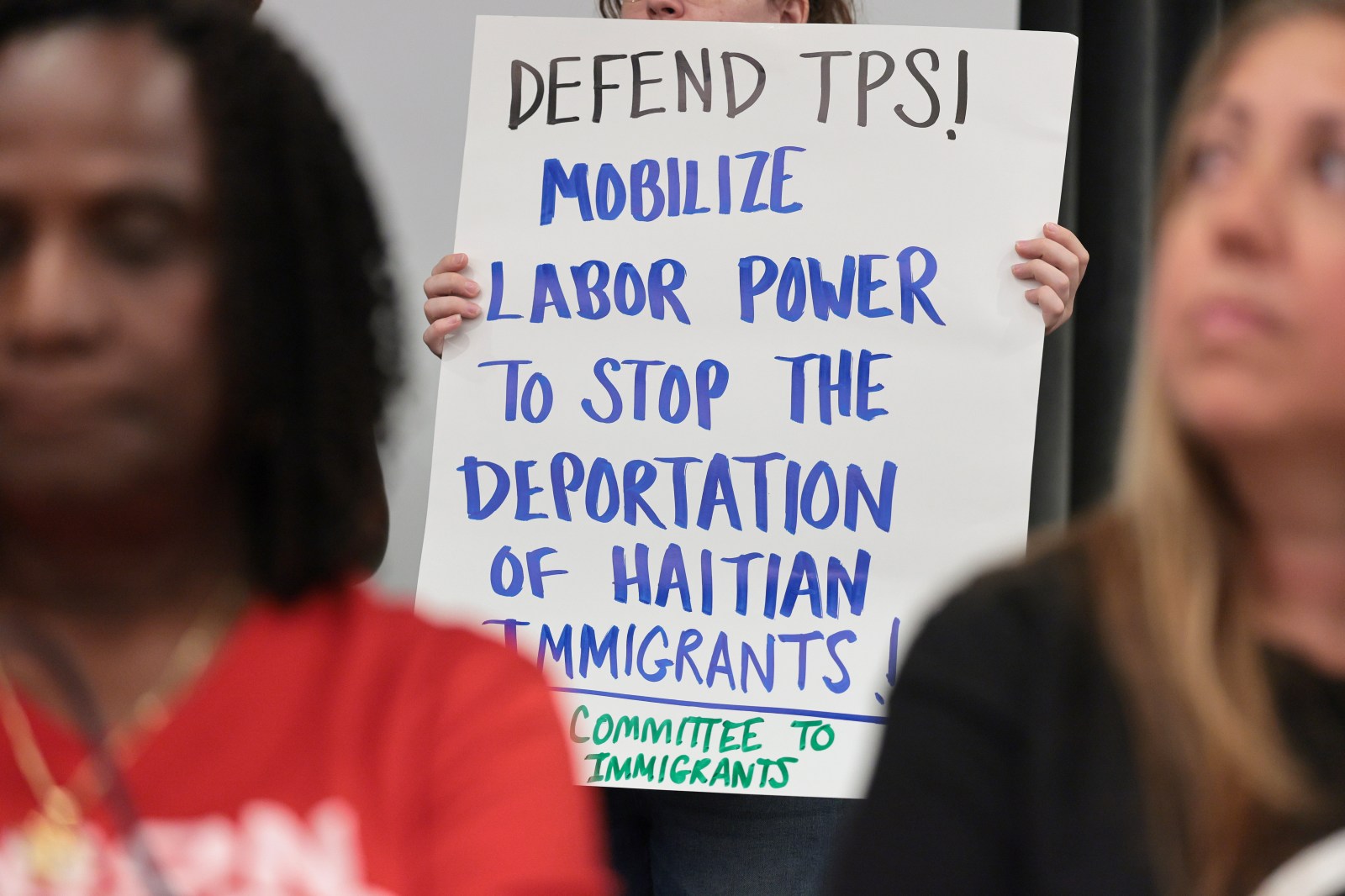
The Trump administration marked a notable win in the courts concerning the Temporary Protected Status (TPS) program. A district judge repealed his own order, which had stopped the Department of Homeland Security (DHS) from ending protections for Ethiopian nationals. This ruling affected 13 countries previously covered by TPS. These nations lost their temporary legal status and work authorization during Trump’s second term. The U.S. Supreme Court’s decision in June further supported DHS’s stance, leaving only a few countries with TPS designations for now.
DHS and its Stance
A DHS spokesperson emphasized the temporary nature of TPS. The department maintains its commitment to law enforcement activities aimed at safeguarding U.S. citizens. “Temporary Protected Status is exactly that—temporary,” the spokesperson reiterated to Newsweek.
Judge Murphy’s Ruling
Judge Brian Murphy recognized the legal concerns raised by Ethiopian TPS holders. However, recent Supreme Court decisions curbed several arguments from moving forward. Despite this, Murphy allowed the allegation of racial or national-origin bias to proceed. A preceding federal ruling also recognized the need to preserve claims of potential discriminatory intent, allowing an exploration of the matter through discovery.
Advocacy Group Response
Diana Konaté of African Communities Together expressed disappointment. She highlighted ongoing crises in Ethiopia, such as armed conflicts and significant displacement. Konaté argued that the administration’s focus on terminating TPS wasn’t based on data-driven decision-making, but rather on targeting immigrant communities.
Impacts of Trump’s TPS Policies
During Trump’s return to office in 2025, 17 countries had TPS designations. His administration has terminated protections for 13 nations, impacting about 1 million out of 1.3 million TPS recipients. Officials, including former Secretary Kristi Noem, argued that TPS had turned into a long-standing program against Congressional intent. They claimed improvement in conditions within the designated countries justified the terminations.
Contrasting Views
Immigration advocates dispute this narrative, asserting that political instability, conflict, and humanitarian crises still pervade these nations. Legal challenges against these terminations continue, although the Supreme Court’s decisions favor the government’s position.
Countries Retaining TPS
Countries like Ukraine, Sudan, Lebanon, and El Salvador maintain TPS status. Lebanon received an extension due to Middle East conflicts. However, renewed scrutiny could threaten these designations as renewal deadlines approach. The administration maintains its authority to assess TPS eligibility.
Consequences for TPS Holders
TPS holders losing their status experience different impacts based on individual circumstances. Some may explore other protections like asylum or family-based immigration paths. However, many face potential deportation if they don’t qualify for alternative legal statuses. A DHS spokesperson commented, “What we would say now is it’s closing time… you can’t stay here.”
Activists underscore the profound effects on individuals integrated into American society, complicating the prospect of returning to their countries of origin.
Continuing Legal Battles
Despite recent setbacks, legal challenges remain. Judge Murphy’s allowance of the Equal Protection claim provides a pathway for further contestation, keeping the possibility of reversing TPS terminations active.
Newsweek’s Gabe Whisnant and Dave Siminoff contributed editorial oversight to this report.