
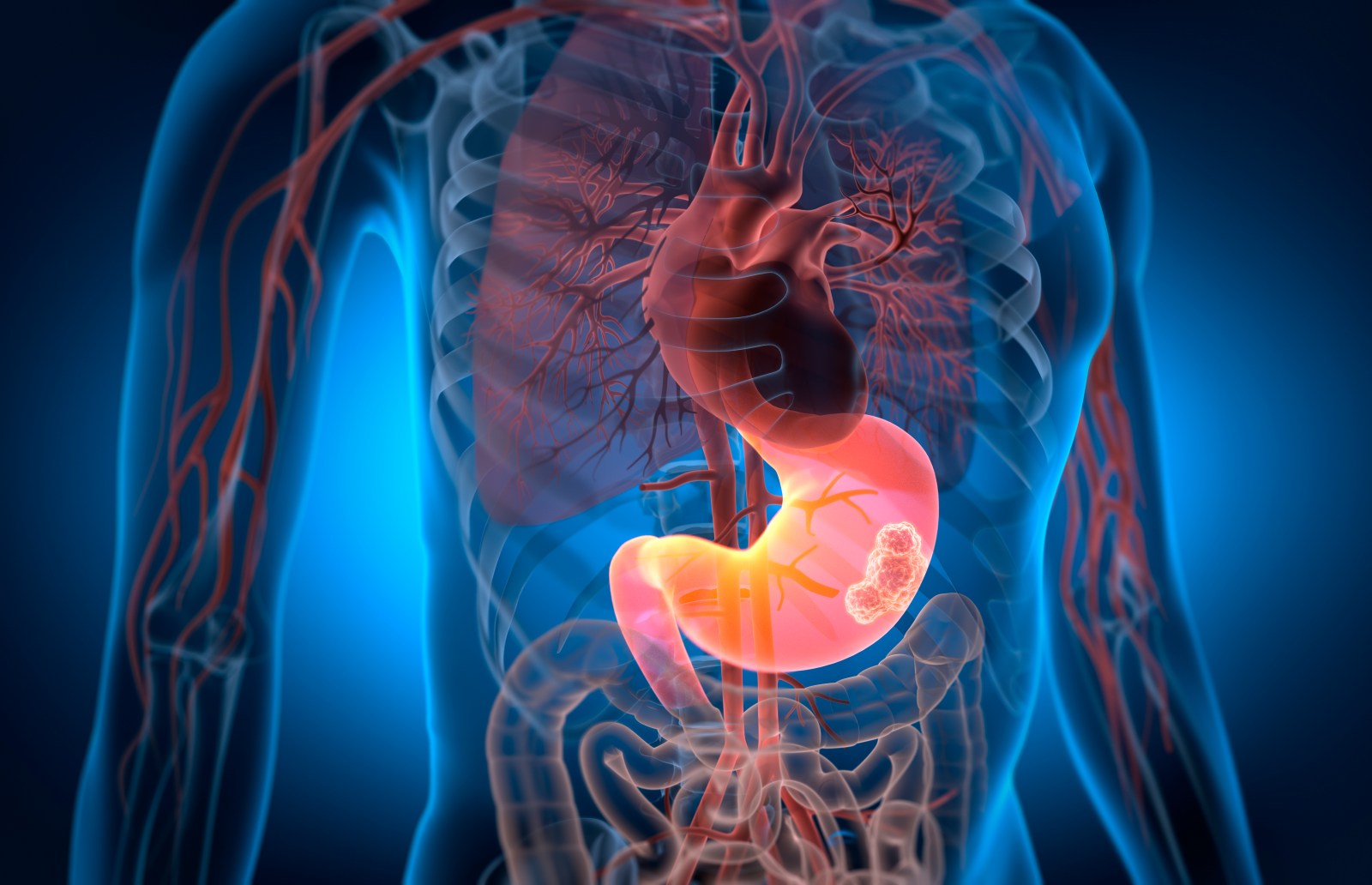
A novel technique to combat solid tumors could potentially alter the landscape of cancer treatment, according to researchers. CAR-T cell therapy has made significant strides in the treatment of blood cancers over the past decade and provides options for patients with previous limited treatment solutions.
This innovative treatment involves adding a lab-engineered gene to a patient’s T cells, enabling them to identify and eliminate cancerous cells, as explained by the Cleveland Clinic. It is typically used when traditional treatments are ineffective, or when blood cancers reoccur. However, until recently, the therapy had limited success with solid tumors due to the absence of a clear target for CAR-T cells.
New Approach with SHIFTERS
Researchers at the USC Viterbi School of Engineering have developed a new method utilizing focused ultrasound, potentially providing CAR-T cells with a specific target in solid tumors. Researcher and doctoral student Tianze Guo informed Newsweek about their discovery, stating they have devised a strategy to temporarily mark hard-to-target tumors with signals that CAR-T cells can recognize.
The system detects tumor signals, such as low oxygen levels, and combines them with focused ultrasound aimed at the tumor by a physician. This new method, dubbed SHIFTERS, prompts tumor cells to temporarily present CD19, a marker that CAR-T cells can identify as a target.
Expert Opinion and Testing
Researcher Peter Yingxiao Wang, the Dwight C. and Hildagarde E. Baum Chair in Biomedical Engineering, referred to this approach as potentially transformative. Wang noted in a EurekAlert! press release that the method represents a new potential direction for solid tumor treatment. However, further advancements and funding are necessary for clinical application.
Solid tumors typically exhibit low oxygen levels due to their rapid growth, which outpaces their blood supply. The SHIFTERS approach involves a dual-targeting system, recognizing low oxygen as a target and employing focused ultrasound to reach tissue without surgery.
Guo emphasized to Newsweek that the treatment activates only where both signals converge, prompting tumor cells to exhibit the marker and directly targeting CAR-T cells. The objective is to facilitate the identification of solid tumors while allowing precise control over the treatment’s timing and location.
Experimental Progress
Initial efforts focused on identifying a marker exclusive to solid tumors, but the new method encourages tumors to produce the distinctive marker. Experiments began with cancer cells grown in labs, moving to tumor models similar to real tumors, and progressing to animal tests.
Findings indicate that CAR-T cells mount a notably stronger attack on solid tumors when combined with the ultrasound method, leading to significant tumor reduction. Remarkably, not every tumor cell needs to display the temporary marker, which remains active for about a week. Only 10 to 25 percent of cells displaying the marker were sufficient to trigger a widespread immune response, attacking and diminishing surrounding cancer cells.
While promising, this research remains in the experimental phase and has not yet involved human trials. Guo noted the main challenge lies in feasibly delivering the SHIFTERS genetic program directly to tumors. They are exploring two delivery options, including lipid nanoparticles and modified viruses, before proceeding to larger animal studies and, ultimately, human trials.
Reference: Tianze Guo et al., Ultrasound priming gated by solid tumor hallmarks to guide CAR-T therapy. Sci. Adv. 12, eaed0666 (2026). DOI: 10.1126/sciadv.aed0666
For further information, Newsweek editors Sirena Bergman and Emma Lee-Sang can be contacted regarding this story.