
Jeffries’ Stance on Medicare for All
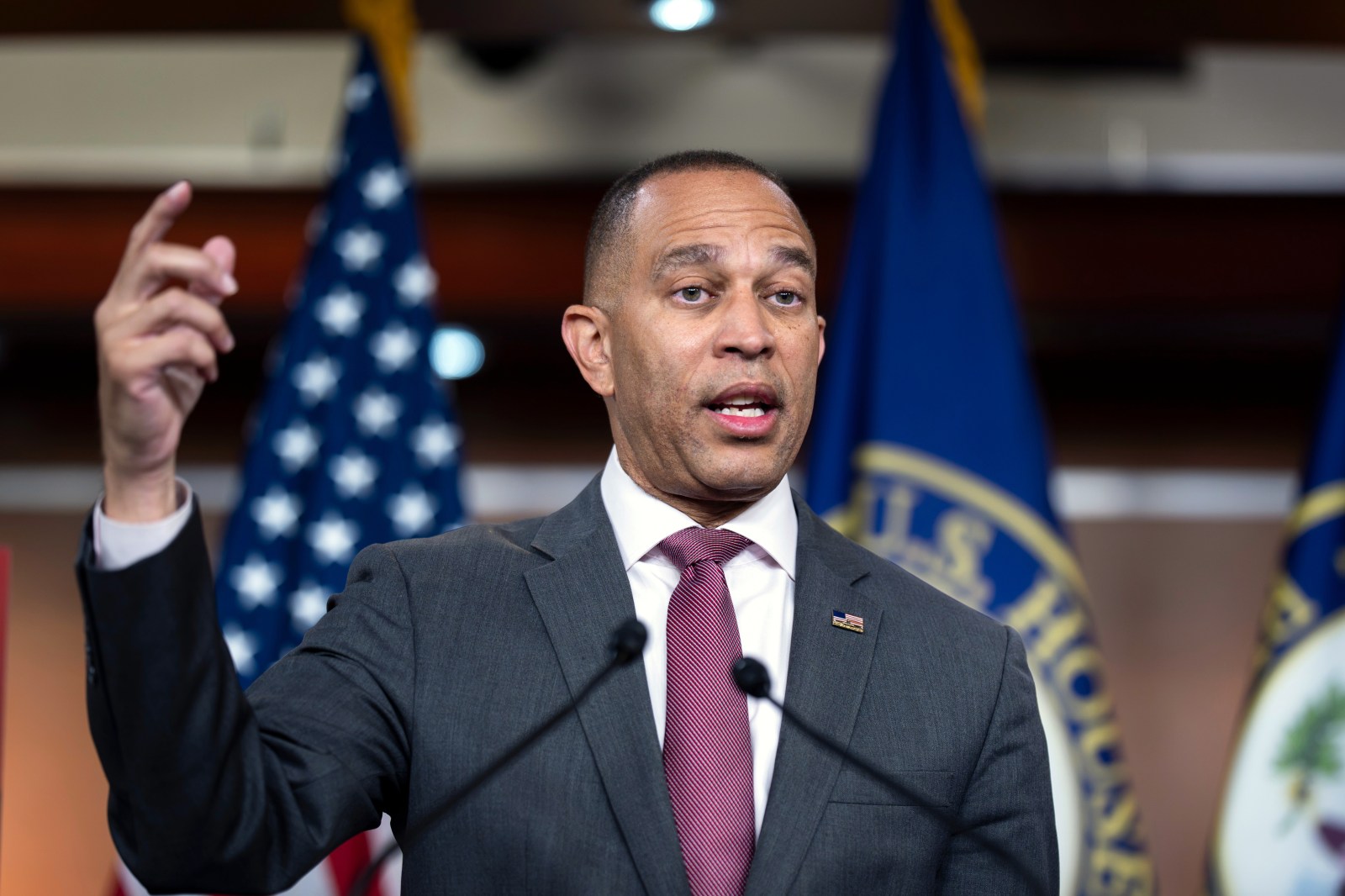
House Minority Leader Hakeem Jeffries has ignited conversation within the Democratic Party after revealing he does not support Medicare for All legislation at present. Despite previously co-sponsoring similar proposals, Jeffries has changed his position in recent years.
During a discussion on NBC’s Meet the Press, Jeffries stated, “I haven’t co-sponsored the Medicare for All legislation that has been introduced over the last several years. I do think we need to figure out how to fix our broken healthcare system and then build something better once we repair the damage that has been done.”
Current Sentiment and Challenges
Public polling indicates substantial backing for expanding government involvement in healthcare coverage. Surveys reveal that a significant number of Americans believe the federal government should guarantee access to health insurance. Support for a single-payer system is notably stronger now than it was a decade ago.
“Over the last year, Democrats have seen dividing lines drawn between moderate and progressive wings of the party, with more progressive nominees earning some surprise victories in recent months,” said Alex Beene, a financial literacy instructor for the University of Tennessee at Martin.
Medicare for All Explained
Medicare for All refers to a single-payer health system providing government-funded insurance to all Americans. Bills promoted by figures like Bernie Sanders generally include:
- Coverage for all U.S. residents
- Replacement of most private insurance plans
- Elimination of premiums, deductibles, and co-pays
- Expansion of benefits to include dental, vision, and hearing care
- Financing through new taxes and federal spending
Critics argue the system requires significant federal spending and tax hikes, with potential elimination of private insurance options.
Public Opinion and Political Considerations
Polls reveal broad support for government involvement in healthcare. A November 2025 poll by Data for Progress found 65% favor Medicare for All when described as a national insurance replacing private plans. Support persists even after noting tax implications and elimination of current private options.
A Pew Research Center survey indicated 66% of Americans think the federal government should ensure health coverage. There is overwhelming support among Democrats for government involvement.
“Medicare for All may or may not ultimately be the vehicle. But if premiums, deductibles and medical bills keep squeezing families, then the pressure for a much larger government role isn’t going away,” Michael Ryan, a finance expert, commented.
Frustration with the Current Healthcare System
Reports cite affordability concerns as a possible reason for Medicare for All’s popularity. A KFF study indicated nearly half of adults find healthcare costs difficult to manage, with a third delaying care due to costs.
Gallup research highlights that a significant portion of workers remain in jobs for fear of losing insurance, while many struggle to afford medical care.
Despite common criticisms of Medicare for All, polling shows voter support remains strong due to healthcare cost burdens.
Political Implications
Experts suggest Jeffries’ distance from Medicare for All signals a shift toward the center. Republicans and some moderate Democrats argue that replacing private insurance would be challenging both politically and financially.
“I think this is purely a political move to shift more toward the center, as some Democrats feel that is the only way to win in the midterms,” observed Kevin Thompson, CEO of 9i Capital Group.
Future Outlook
The debate over Medicare for All is likely to persist. Progressive Democrats will continue advocating for changes while moderates focus on strengthening existing legislation like the Affordable Care Act.
Contact Newsweek editors on this story: Jason Lemon and Dave Siminoff.