
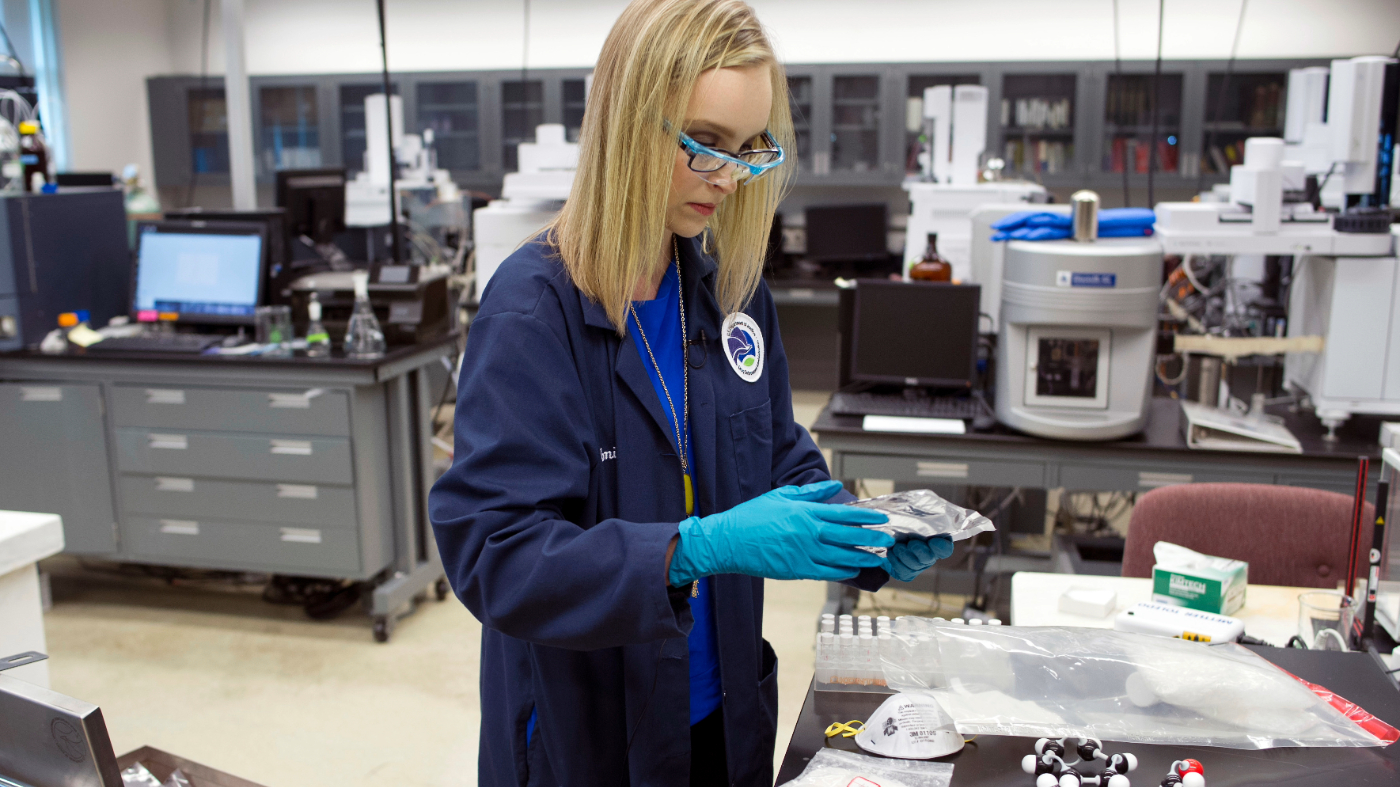
Forensic chemist Emily Dye handles evidence, seized in drug raids and containing fentanyl analogs, at the DEA Special Testing and Research Laboratory. This scene illustrates part of a broader effort to combat crime, a crucial pursuit in cities like Washington.
Despite a decrease in violent crime nationally, individual incidents still occur, leaving victims affected. A recent shooting in Washington highlighted this issue when a colleague was injured while biking home.
Focus on Forensic Science
National discussions on violence reduction often emphasize policing, community intervention, sentencing, and firearm regulations. However, forensic science plays an often-overlooked role. The public demands answers from law enforcement, expecting perpetrators to be identified, evidence to be connected, and justice to be served. Forensic science facilitates these outcomes.
Advancements and Investments
The United States has made notable progress in forensic science, driven by federal funding emphasizing research and development. These funds have led to improvements in DNA analysis, information recovery from difficult samples, and technologies such as 3D ballistic imaging.
Research funded by the National Institute of Justice (NIJ), a unit of the Department of Justice, has bolstered firearm and toolmark analysis. Enhanced data collection and networks like the National Integrated Ballistic Information Network (NIBIN) connect related shootings across areas.
The NIJ has invested more than $300 million in forensic research and projects since 2009, advancing the field significantly.
Challenges Facing Forensic Science
These advances result from sustained federal investment in scientific inquiry, crucial for public trust in justice. Despite rising expectations and demands, resources are shrinking.
The American Statistical Association reports a decline in the NIJ’s forensic research funding from $30 million in 2015 to $13.6 million in 2024. The NIJ competes for limited resources, despite their significant role in supporting necessary scientific innovations.
The Future of Forensic Science
During my tenure as the NIJ director, managing forensic science investments was challenging. Limited funding forced tough decisions, potentially reducing future scientific development.
Forensic science, often overshadowed by other justice components, is crucial. Each DNA match, ballistic link, and wrongful conviction overturned reflects years of research and dedication.
To improve the criminal justice system’s speed and accuracy, we must invest in the science that facilitates justice, not wait for another tragedy to highlight its importance.
Nancy La Vigne is dean of Rutgers School of Criminal Justice and former director of the National Institute of Justice.