
Iran and the Challenges Faced by Women
Sadaf Zarei, a student from the University of Connecticut, discusses the struggles of the Iranian women’s soccer team. Their captain abandoned an asylum bid in Australia due to fears for family safety under the Iranian regime. Zarei emphasizes the severe digital blackouts and human rights violations, calling for the end of the current oppressive regime.
Taliban’s Impact on Education in Afghanistan
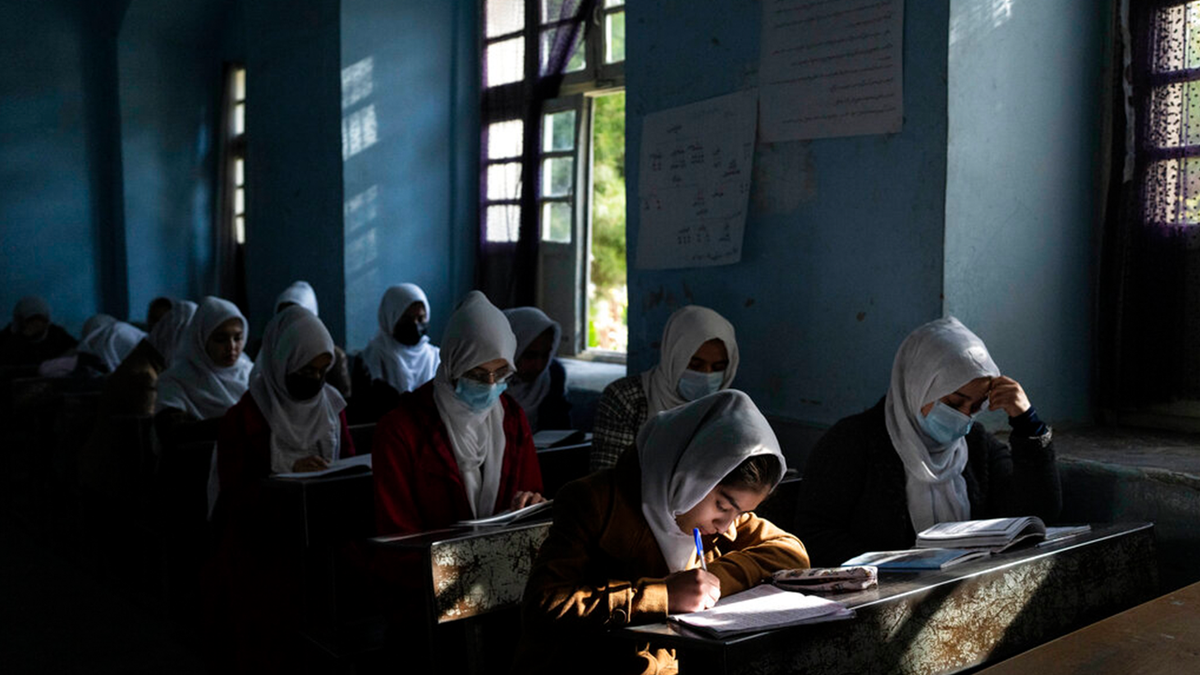
Five years after the Taliban regained control in Afghanistan, a staggering 2.4 million girls find themselves barred from secondary education. This represents a major rollback in educational progress. Afghanistan remains the only nation globally to formally ban education for girls and women beyond primary level, as per UNESCO. The agency urgently calls for the immediate restoration of educational rights for females.
The restrictions on education extend beyond classrooms. Women face bans from most jobs and public roles, and their mobility is restricted without a male guardian. UNESCO warns these policies hinder the country’s economic situation, already with nearly half its population living below the poverty line. Women’s inability to study and work further limits their capacity to uplift their families and contribute economically.
UNESCO’s Response and Efforts
In response, UNESCO has turned to community-based education and skills programs to help girls and women continue learning. These initiatives include literacy and skills development courses, reaching nearly 70,000 people, with women making up a substantial portion of participants. Community spaces and facilitators’ homes host some classes, involving over 1,000 literacy facilitators trained by UNESCO and its partners.
Despite these efforts, UNESCO stresses that temporary programs cannot replace formal education. Excluding girls from schooling endangers their mental and physical well-being and raises the risk of early marriage. The Taliban’s bans also cause teacher shortages, affecting educational quality for all students.
UNESCO’s Continued Advocacy
UNESCO remains committed to working with local communities to provide alternative learning opportunities while advocating for the removal of educational bans. The organization insists that secondary and higher education access for Afghan girls and women is a fundamental human right and non-negotiable. UNESCO vows to persist until these rights are restored.