
The WNBA is drawing attention for contentious reasons. Despite being financially unprofitable, the league has experienced increased interest due to star player Caitlin Clark. Her presence has led to higher revenues, viewership, and merchandise sales. This boost allowed players to negotiate better benefits, enhancing their quality of life.
Despite these positives, Clark faces widespread dislike from within the league. Many coaches, staff, players, and fans reportedly resent her, primarily due to political associations. This atmosphere of hostility extends to her teammate Sophie Cunningham. She publicly opposed male athletes in women’s sports, sparking backlash.
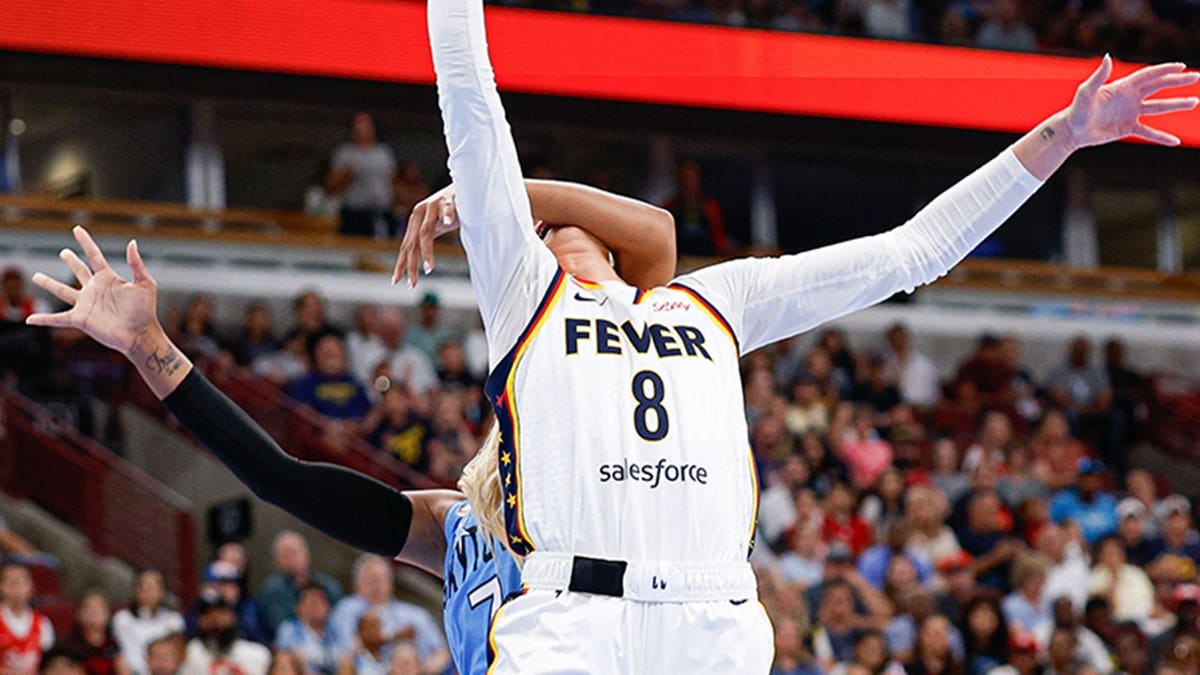
The controversy escalated when opposing players and coaches displayed support for transgender athletes. Cunningham’s stance has made her a target, resulting in rallies and criticism from both media and fans. Tension peaked during a game between the Chicago Sky and Indiana Fever when DiJonai Carrington committed a flagrant foul against Cunningham, injuring her.
Carrington’s actions were penalized, but her subsequent comments on social media blaming “white privilege” added to the controversy. Cunningham interpreted the foul as intentional, rooted in political disagreement.
The WNBA’s political focus is evident in recent events. Former NBA players Enes Kanter Freedom and Royce White announced intentions to join the WNBA draft, challenging the league’s stance on gender identity. The WNBA Players Association has affirmed its commitment to diversity and inclusion.
This focus on political activism overshadowed core concerns about player eligibility and on-court performance. The league’s alignment with left-wing ideologies has led to criticism and questions about its priorities.
The league’s handling of conflicts, like Carrington’s foul and Cunningham’s stance, reflects its political leanings. Critics argue that to be seen as a legitimate sports league, the WNBA must prioritize dispassionate common sense and the quality of play over political agendas.
Amidst this, Caitlin Clark has called for broader solutions regarding transgender athletes and sports policy. The league’s reliance on political activism risks detracting from its primary mission of promoting women’s professional basketball.