
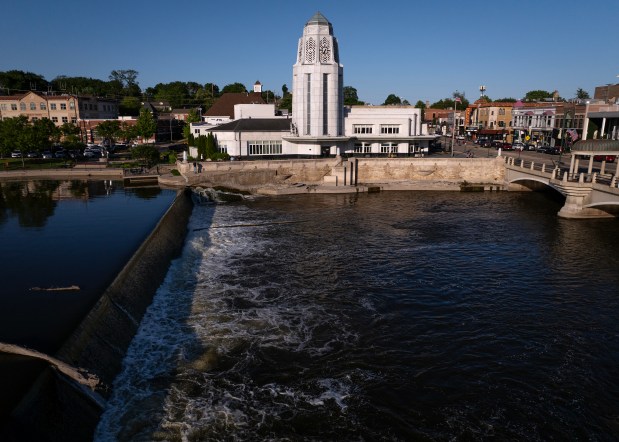
Brian Pohrte transitioned to kayaking following the COVID-19 pandemic. As a longtime resident of St. Charles, he initially engaged in biking with his family to get outdoors but soon chose to explore paddling. Pohrte appreciated the proximity of the Fox River, remarking on its value for recreation.
He joined the St. Charles Canoe Club, which offers a variety of water sports, and became a regular on the river. However, the resource he enjoyed faced challenges as local and federal authorities discussed removing several dams on the Fox River in Chicago’s western suburbs.
Reconsidering Fox River Dams
The U.S. Army Corps of Engineers started reevaluating dam removal to improve public safety, enhance water quality, and benefit wildlife. Yet, the proposal met opposition from those concerned about recreational use and property effects.
The Corps’ initial 2023 recommendation for removing several dams faced backlash, prompting further study. However, this study has been paused for a federal review.
The History and Impact of Dams
Dams along the Fox River, primarily built in the 1800s, were initially for milling operations. These structures create dangerous backwash, leading to drownings and accidents. The Illinois Department of Natural Resources (IDNR) has removed about 30 dams statewide for safety and environmental improvements. In 2024, the Carpentersville dam was removed under this initiative.
Nationwide, dam removal aims to restore free-flowing rivers. Studies indicate removing them boosts water quality and enhances aquatic biodiversity. Under a Congressional directive, the Army Corps evaluated methods like rock ramps and bypass channels, proposing nine dams for complete removal to reduce maintenance and improve habitats.
While removing dams could affect motorboat navigation, it aligns with environmental goals. The proposed removal costs near $16 million, with the Army Corps covering 65% and the state contributing the remainder. If towns oppose, they assume ownership and liability.
The IDNR, focusing on safety and ecological benefits, owns six dams in the study area. Despite resident pushback, cities like St. Charles formed task forces for comprehensive analysis.
Delays and Community Perspectives
The federal government has delayed the Army Corps’ study, citing resource allocation challenges. Emails reveal the project paused due to funding gaps and administrative reviews. The delay extends beyond Fox River projects, affecting similar initiatives nationally.
The IDNR maintains nearly $20 million earmarked for removal projects, hoping for Army Corps partnership in covering costs. Meanwhile, local stakeholders proceed with their assessments.
Municipal and Resident Reactions
With uncertainty surrounding the federal study, localities are taking varied actions. Batavia seeks to remove its dam, as it maintains ownership and faces insurance challenges. Geneva remains in the federal study awaiting results, while St. Charles aims to keep its dam’s impoundment intact for recreational purposes.
Residents express concerns about dam removal’s impact on river navigation and ecological balance. Paddle enthusiasts like Pohrte appreciate the current conditions that facilitate diverse recreational activities.
The 2023 study suggests recreational users benefit from removal, as it reduces portage needs around dams. Paddling offers accessible, low-cost enjoyment compared to motorboating.
While some, like Nordstrom from Batavia, favor partial removal due to ecological benefits, they acknowledge ongoing debates and delays.
Ongoing Efforts and Future Challenges
Local study groups continue investigations on dam impacts, conducting surveys and models to guide future decisions. The Friends of the Fox River advocates for removal through education and coalition building.
Despite resistance, dam removal’s long-term benefits may become evident over time. Community leaders focus on educating about the ecological and safety implications.
As federal hold-ups persist, municipalities like St. Charles adapt policies allowing flexibility in collaboration with state and federal entities. Batavia, meanwhile, looks forward to actionable plans aligning with funding opportunities.
The Fox River scenario, with its uncertainties and community involvement, poses significant questions about balancing ecological restoration and recreational priorities.