
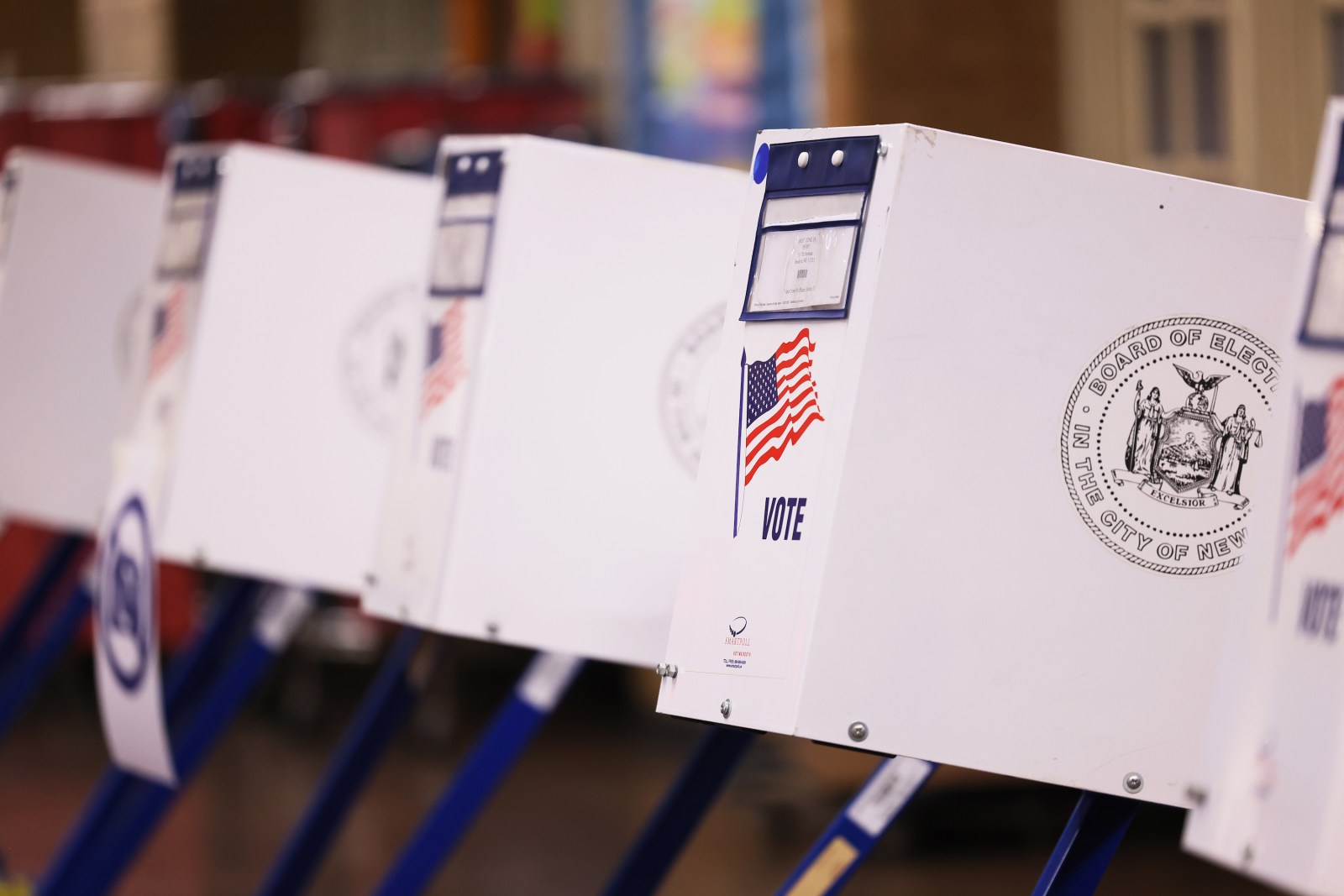
As the United States commemorates 250 years since its founding, a crucial question arises: Are we upholding the fundamental promise that every eligible citizen has an equal voice in voting? This query is pressing, particularly for Black Americans, as new voting barriers emerge, and existing safeguards continue to weaken.
Freedom requires active protection, reinforcement, and renewal. Milestones like this anniversary should not only celebrate achievements but also address the shortcomings in our democracy, especially concerning Black Americans. The struggle to secure voting rights remains paramount, confronting threats from recent government statements and actions that aim to limit participation under the guise of “security.”
The history of African American voting rights shows a pattern of expansion followed by regression. Constitutional amendments were followed by obstacles like poll taxes and literacy tests. Even after the Civil Rights Movement, barriers emerged in subtler forms, such as precinct closures and disinformation campaigns meant to deter Black voters.
Today, threats to our democratic process have evolved, disproportionately affecting communities that have contributed significantly to the nation over the past 250 years. In recent years, the Supreme Court has allowed efforts to weaken civil rights protections, notably impacting Section 2 of the Voting Rights Act. This has increased the potential for racial discrimination and gerrymandering.
The current administration and its Congressional allies are promoting the Safeguard American Voter Eligibility (SAVE) Act. This proposed legislation aims to change how Americans register to vote, under a false premise of preventing non-citizen voting. The act could demand documents like passports for registration, effectively eliminating most online and mail registrations and hindering voter registration drives.
The result is clear: millions, especially Black, brown, young, and low-income voters, would face difficulties in registering to vote. As mayors representing these communities, we are addressing these challenges by investing in modern voting infrastructure and supporting initiatives like early voting.
However, local leadership is insufficient. The federal government must play a vital role in setting standards, providing resources, and protecting rights. Congress needs to restore the Voting Rights Act’s protections and maintain federal election security funding. This funding secures elections against cyber threats and disinformation.
Moreover, Congress should reject measures like the SAVE Act, opting for reforms that simplify registration and voting. This includes automatic voter registration and protections against unjust voter purges. Effective election policy should ease participation for every eligible American.
As mayors, we commit to safeguarding these rights in our cities. However, this responsibility is collective, requiring all governmental levels, community leaders, and voters to participate. Protecting voting rights means engaging in community efforts, such as serving as poll workers and assisting neighbors with accurate information.
The ongoing task of defending democracy requires constant vigilance. As we look to the next 250 years, one of the most patriotic actions is simple: understand our rights, support each other, and vote as if our future depends on it.
Authors: Mayors Shawyn Patterson-Howard (Mt. Vernon, New York), Vince R. Williams (Union City, Georgia), Alix Desulme (North Miami, Florida), Steven Reed (Montgomery, Alabama), Phillip Jones (Newport News, Virginia), Van R. Johnson, Jr. (Savannah, Georgia), Kim A. Thomas (Richmond Heights, Ohio), Errick Simmons (Greenville, Mississippi).
The African American Mayors Association (AAMA) uniquely represents African American Mayors in the U.S. The opinions expressed here belong to the authors.