
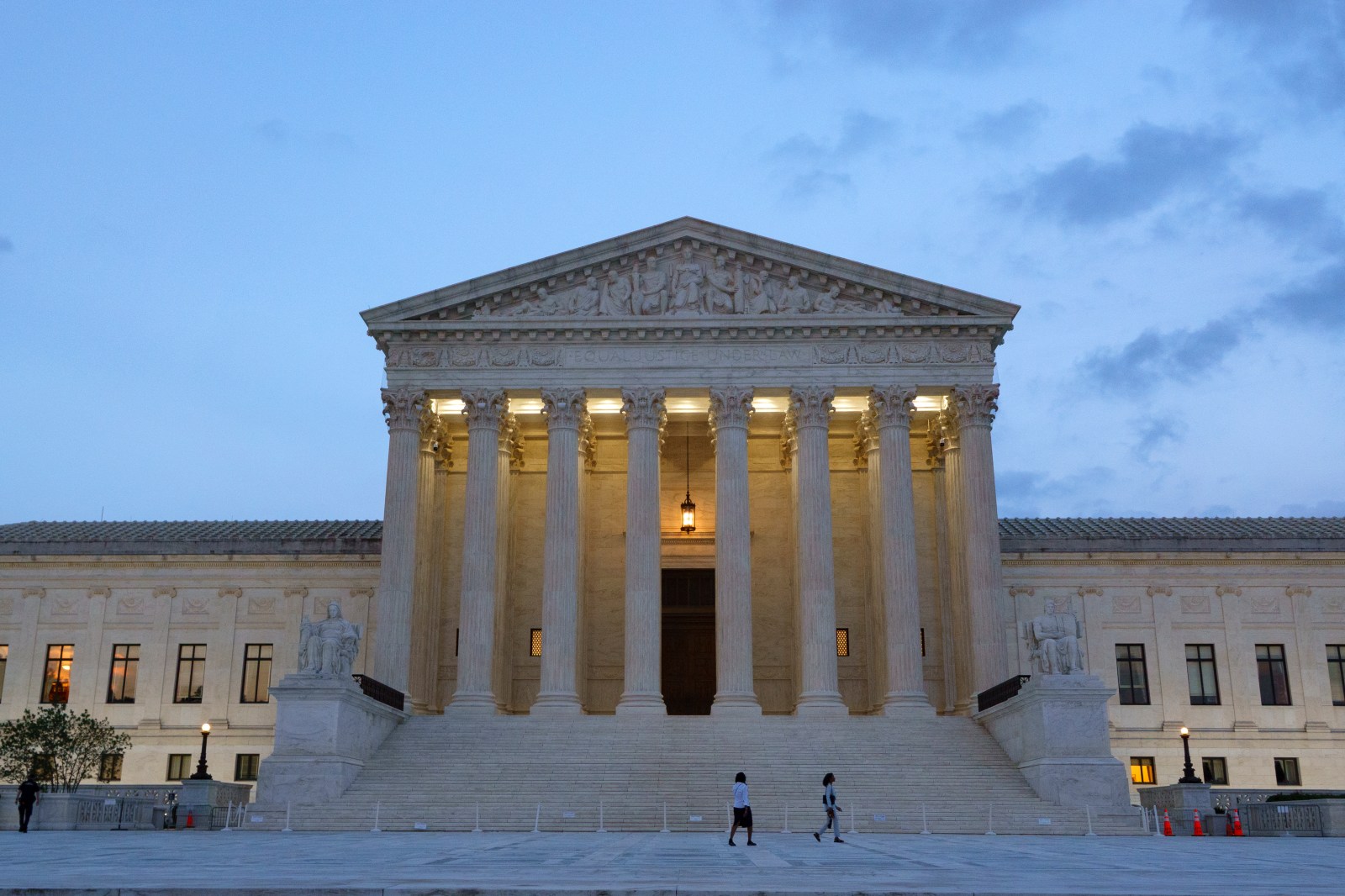
After the Supreme Court dismissed President Donald Trump’s attempt to end birthright citizenship through an executive order, some conservative activists have redirected their focus. These activists aim to influence future judicial appointments in order to revisit the issue. During a late-July gathering in Washington, conservative lawyers, immigration advocates, and former Trump officials discussed keeping the birthright citizenship debate prominent.
Supreme Court Ruling and Its Aftermath
The Supreme Court’s 6-3 decision in Trump v. Barbara confirmed that children born in the U.S. to unlawful or temporary residents are citizens under the 14th Amendment. Trump’s supporters argue the Citizenship Clause has been overly expanded, advocating for reassessment of the issue. Justice Clarence Thomas and Justice Samuel Alito dissented, with Thomas expressing doubt about the ruling’s durability. This dissent motivates those seeking to continue the debate.
In response, the White House introduced executive orders addressing birth tourism and other categories outside birthright citizenship protections. These actions anticipate legal challenges. This decision follows Trump’s commitment to continue addressing the issue, regardless of the Supreme Court’s stance.
Focus on Judicial Appointments
During the Washington gathering, Mike Davis, founder of the Article III Project, emphasized the need to appoint judges who might challenge the broad interpretation of birthright citizenship. Pointing to Justice Samuel Alito’s dissent, Davis stated the need for more justices like him on the Supreme Court. Participants also discussed addressing the issue through legal scholarship, conferences, legislation, and litigation. However, the focus on judicial nominees indicates many conservatives see the courts as the key arena.
Strategic Shift in Judicial Nominations
This approach represents a shift in evaluating judicial nominees. It elevates birthright citizenship from an immigration policy topic to one of constitutional interpretation. Similar tactics have been used for decades, notably in the scrutiny of nominees on topics like abortion post-Roe v. Wade, gun rights, religious liberty, and administrative power. Critics argue the conservative focus on judicial appointments has influenced a Supreme Court open to revisiting settled precedents.
Birthright Citizenship as the Next Roe v. Wade
Some activists liken the birthright citizenship debate to the anti-Roe v. Wade movement. Mike Davis from Article III Project claimed the court’s birthright citizenship decision could become ‘the next Roe v. Wade.’ This reflects a long-term strategy seen in the campaign against Roe, which included legal scholarship, state legislation, advocacy, judicial nominations, and legal education.
Participants at the event proposed a similar path for birthright citizenship. Although the Supreme Court ruled against restricting birthright citizenship, proponents of limitation argue that the case’s prominence advanced the debate.
Continuing Efforts and Public Debate
John Eastman, a proponent of a narrower birthright citizenship definition, viewed reaching the Supreme Court as a milestone. He noted that the debate is now engaging lawmakers, judges, and the public.
Although the Supreme Court’s ruling currently prevails, activist comments indicate a focus beyond immediate legal battles. Conservatives seek to shape the legal landscape through lawyers, scholarship, and judges who may influence birthright citizenship in future courts. If successful, judicial nominees may eventually face a question seldom raised in confirmation hearings: if the Citizenship Clause’s interpretation aligns with longstanding court rulings.