
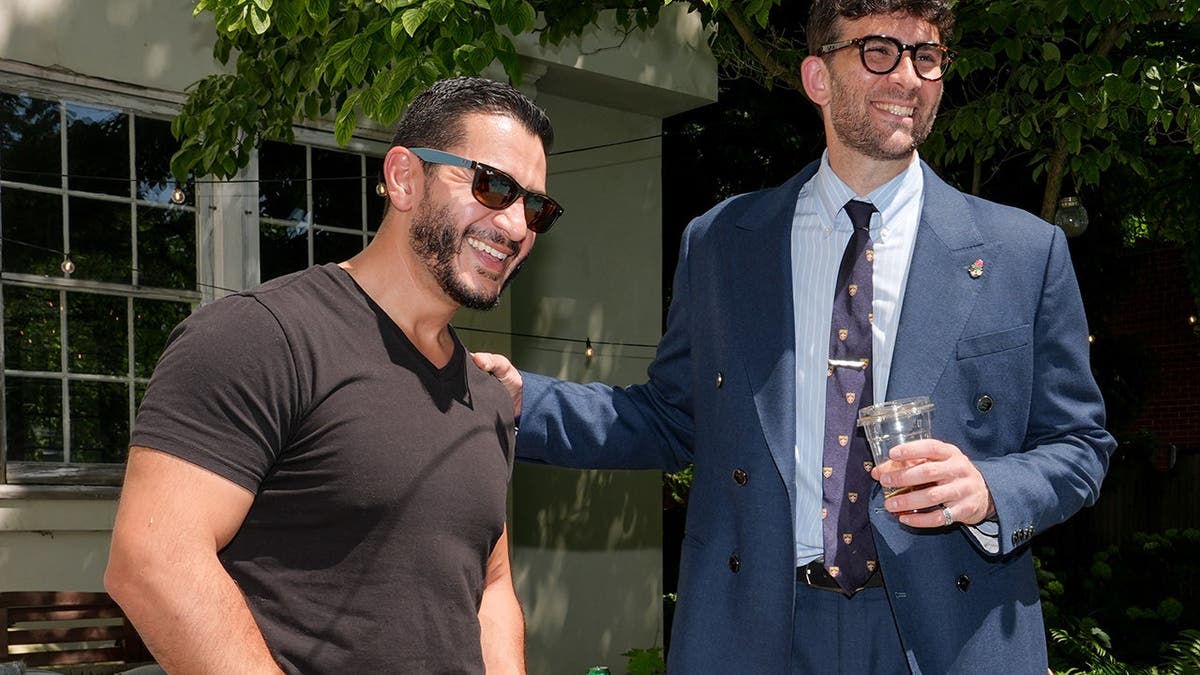
Abdul el-Sayed’s victory in the Michigan Senate primary spotlights certain dynamics within the Democratic Party and media perspectives. El-Sayed’s campaign, supported by Hasan Piker, has drawn attention due to Piker’s controversial statements.
Media’s Perception
While el-Sayed progresses to the general election against Republican Mike Rogers, media outlets are scrutinizing his association with Piker. Piker has made statements suggesting America deserved the 9/11 attacks and praised Mao Zedong. He also expressed support for Hamas’s military actions.
Reporting and Criticism
NBC’s Shaquille Brewster highlighted el-Sayed’s refusal to disavow Piker’s views. ABC’s Rachel Scott addressed accusations branding el-Sayed as a communist. Meanwhile, outlets like NPR suggested avoiding distraction from these alliances.
Attempts to paint el-Sayed as extremist echo broader political narratives. Republican rhetoric, such as a Trump quote labeling Democrats as communist, is used to define el-Sayed’s candidacy negatively.
Political Challenges
Piker’s online influence complicates the narrative. While some Democrats, like Senator John Fetterman, openly refuse to align with Piker, others, including el-Sayed, focus on their own political goals without directly addressing these associations.
Mismatched Coverage
Critics argue media coverage often holds Republicans accountable for their candidates’ controversial remarks, while giving less scrutiny to Democrats. This double standard raises questions about bias in political reporting.
Piker’s Media Coverage
Despite his contentious comments, Piker enjoys a following. The New York Times featured him, discussing his political views and notable physical presence. His stance on economic inequality and social justice also garners attention.
Conclusion
As el-Sayed’s campaign advances, both media portrayal and political affiliations will continue to shape public opinion. The focus on Piker and his statements highlights the complexity of political alliances and media coverage in modern elections.