
For much of American popular culture, Arabs often entered the scene depicted as threats rather than individuals. With guns in hand or involved in plots to destroy the country, they became convenient faceless enemies after the Cold War. Hollywood and other fictional portrayals turned Arabs into standard villains, particularly after the Gulf War and the rise of Saddam Hussein as a television antagonist. The events of September 11 further reinforced this link between terrorism and Muslim identity, altering even segments of entertainment like professional wrestling.
Abdul El-Sayed’s narrow victory in Michigan’s Democratic Senate primary marks a significant moment where an Egyptian American Muslim could enter the Senate. Should he succeed in the November election against former Representative Mike Rogers, El-Sayed would be the first Muslim Senator in a state that supported Donald Trump in 2016 and 2024. This development reflects a shift from a past dominated by stereotypes to a reality where Arabs and Muslims are recognized as integral parts of American society, visible not just as threats but as neighbors and professionals.
The Portrayal of Arabs and Muslims
Prior to the Gulf War, Arabs were often shown as exotic or menacing figures. The conflicts of the 1980s and 1990s reinforced these portrayals, as seen in films like True Lies and The Siege. These narratives painted a picture of a threat infiltrating unnoticed. WWE adopted a similar motif, using wrestlers like the Iron Sheik and Muhammad Hassan to embody anti-American sentiment. These portrayals succeeded because many Americans lacked other contexts or images of Arabs and Muslims.
September 11 intensified these associations. While Muslims became more visible in areas such as airport security and surveillance debates, the prevailing view was still rooted in suspicion rather than understanding.
A Shift to Greater Visibility
The change wasn’t due to massive new waves of immigration but rather the visible presence of Arab and Muslim communities that had already been building roots. Arab Americans began appearing in public life beyond the stereotypes, contributing as doctors, business owners, and lawmakers.
Michigan illustrates this shift, with Census data showing a significant portion of Dearborn’s population as Middle Eastern or North African. The city evolved from an enclave to a political hub, no longer defined by stereotypes. While exposure does not erase prejudice, sustained interaction between social groups can reduce biases, provided the conditions are right.
Political Representation and Power
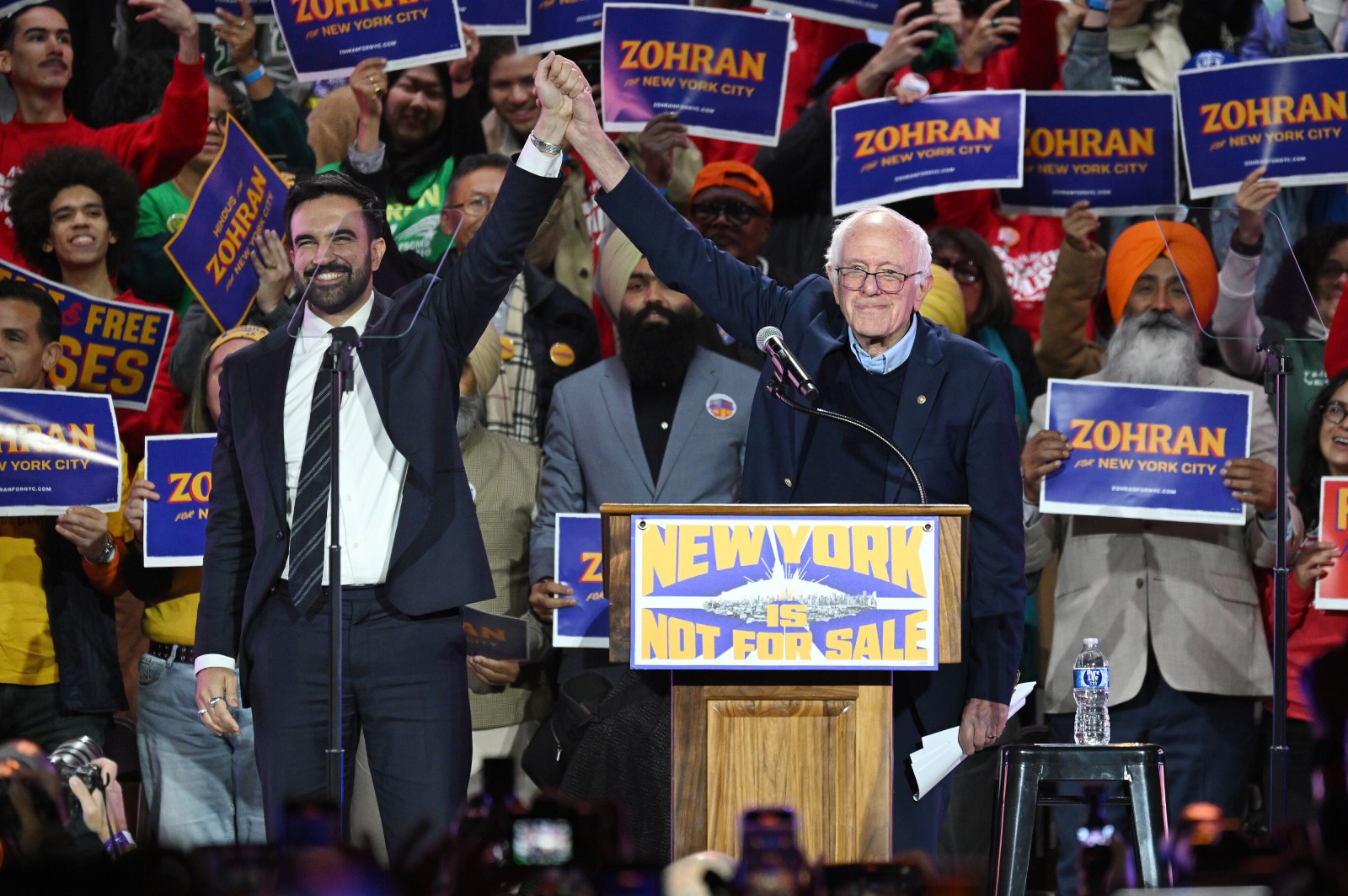
The progression continued into political realms, with figures like Keith Ellison and Rashida Tlaib entering Congress. These politicians faced challenges based on ethnicity and religion but helped normalize Muslim participation in politics. Zohran Mamdani’s election as New York City’s first Muslim mayor further symbolizes this trend, campaigning on traditional issues rather than focusing solely on identity.
El-Sayed represents this evolving political landscape. His campaign focuses on issues like Medicare for All and economic matters, though his Muslim identity remains a point of discussion. His candidacy illustrates a broader political shift where Muslim candidates now navigate the same partisan criticisms as others, reflecting an important evolution in American cultural and political dynamics.
Despite these changes, public attitudes remain divided, influenced by past attacks and current politics. El-Sayed’s success or failure in the election could indicate many factors, including responses to his platform or lingering prejudices. Nonetheless, the ability for figures like El-Sayed to emerge in national politics signals a significant transformation in American culture, where former stereotypes give way to real influence and participation.