
The U.S. Centers for Disease Control and Prevention (CDC) reported a cyclospora outbreak involving iceberg lettuce now affects fifteen states. Newly identified states include Arkansas, Iowa, Missouri, Nebraska, New Hampshire, and North Carolina. Prior affected states include Indiana, Kentucky, Michigan, Ohio, West Virginia, Illinois, Kansas, Oklahoma, and Pennsylvania.
At least 47 states have seen cases of cyclosporiasis, the illness caused by the cyclospora parasite. Authorities are investigating the extent of cases tied to a common contaminated source. So far, 6,358 cases are linked to iceberg lettuce, with 278 hospitalizations. Michigan recently reported two deaths associated with the outbreak.
Initial investigations pointed to shredded iceberg lettuce from Taco Bell as the outbreak source. Federal officials are now focusing on Taylor Farms, a produce company, as the lettuce source. Taylor Farms has recalled iceberg lettuce grown in central Mexico. Overall, 10,468 laboratory-confirmed domestic cases have been reported in 47 states since May 1. More than 12,255 additional cases require further investigation. Many cases were reported in Michigan.
What Is Cyclospora?
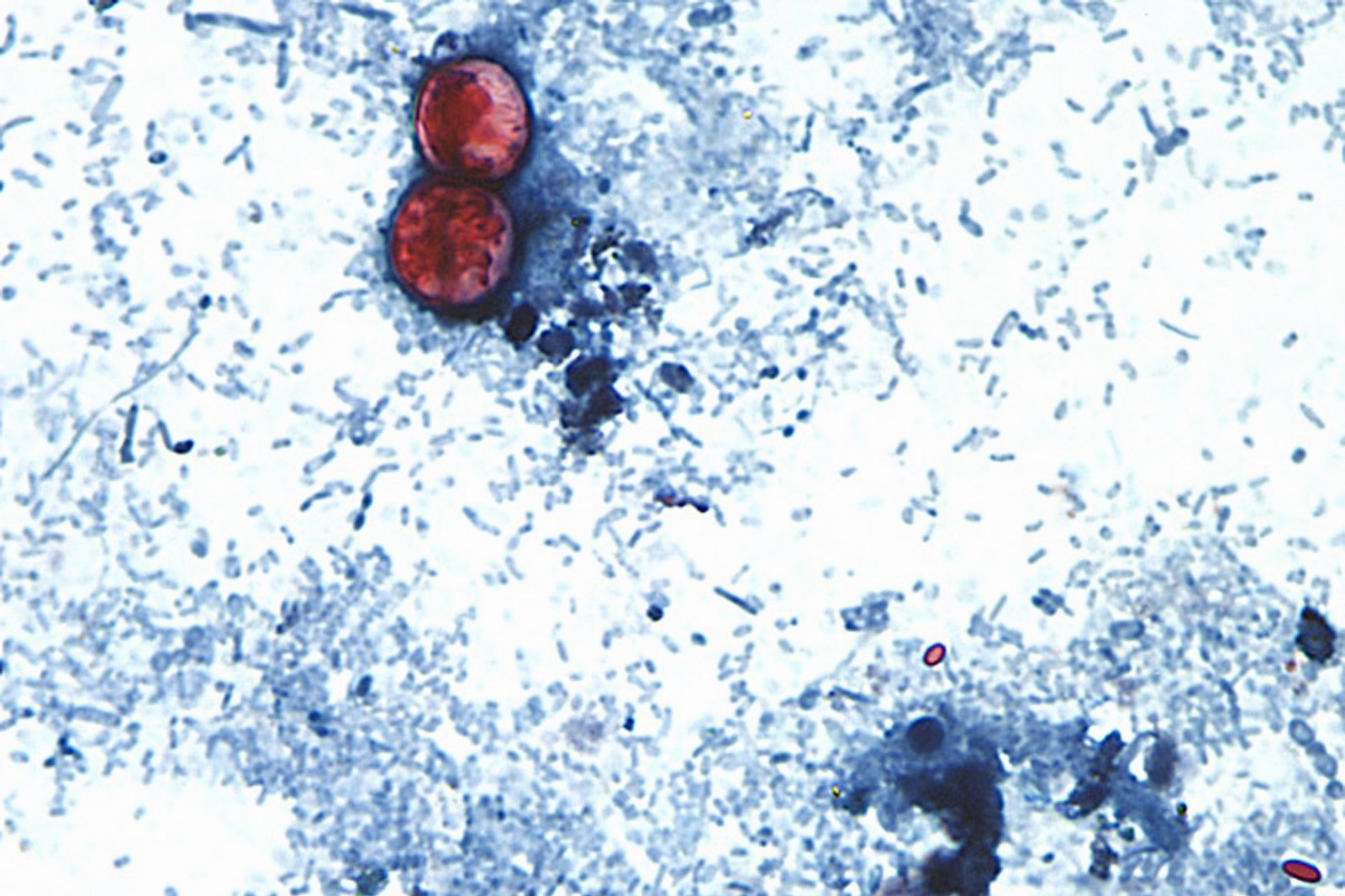
Cyclospora is a microscopic parasite that contaminates food through contact with human feces, especially via produce irrigated or washed with tainted water. Ingesting cyclospora leads to an intestinal illness characterized by frequent and explosive bowel movements.
Unreported Cases
The CDC indicates official counts reflect only confirmed cases. State data might encompass probable and confirmed instances, possibly inflating counts beyond CDC reports. The CDC recognizes over 12,000 additional cases needing lab confirmation or further study, particularly for patients who traveled abroad before falling ill. Many recover without medical assistance, likely leading to numerous unrecorded infections.
Diagnosis and Treatment
Symptoms typically manifest a week after exposure, though they can appear between two days and two weeks or longer. Untreated, the illness may exceed a month, with symptoms vanishing before returning. Cyclospora requires stool testing for diagnosis, needing several samples and specialized processes not commonly performed. Standard treatment involves trimethoprim-sulfamethoxazole, sold as Bactrim or Septra. Rest and hydration are crucial, particularly for those with diarrhea. People with compromised health may experience severe or prolonged illness.