
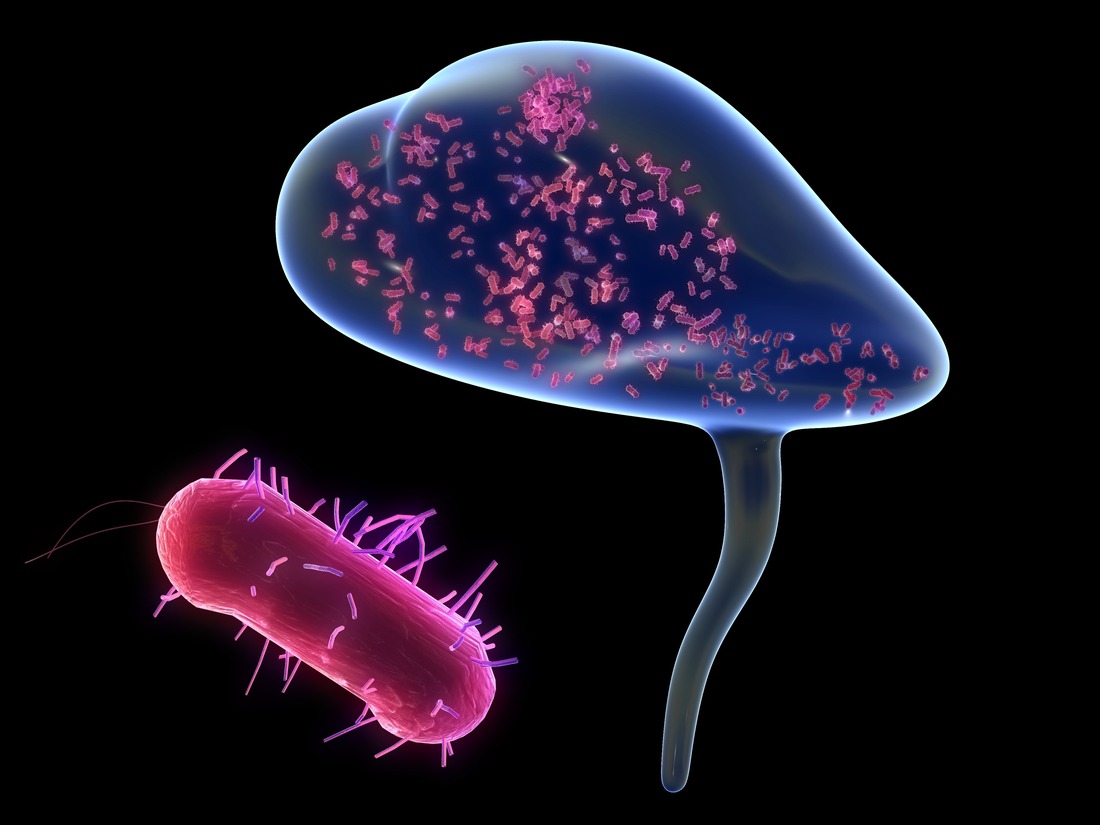
More than 400 million UTIs occur globally each year. The illustration shows the most common type
— bladder inflammation caused by E. coli bacteria.
People experiencing constant urges to urinate or burning sensations might be dealing with urinary tract infections (UTIs). This common issue arises when certain bacteria, often E. coli, infect parts of the urinary tract like the bladder. Statistics show that 60% of women and 10% of men will face a UTI in their lifetime. Common preventive advice includes maintaining good personal hygiene, urinating before and after sexual activity, wiping correctly, avoiding douches, and drinking plenty of water. Despite following these guidelines, many individuals experience recurrent infections. Surprisingly, around one in four women suffer from recurring UTIs, defined as having two infections within six months or three in a year.
A recent study in Nature Microbiology offers fresh insights, indicating epigenetic changes in bladder cells may increase the likelihood of recurring UTIs. This research was conducted by a team at Washington University in St. Louis.
Understanding the Urinary Tract
The urinary tract acts as the body’s drainage system, spanning a large part of the torso to remove urine filled with toxins, extra water, and salt. It comprises:
- Two kidneys located below the rib cage
- Two ureters, thin muscular tubes connecting kidneys to the bladder
- The bladder, a hollow muscular organ between the hip bones
- The urethra, a tube at the bladder’s base where urine exits the body
An infection typically occurs when bacteria infect part of this tract, often the bladder. Indira Mysorekar, a microbiologist at Baylor College of Medicine, explains that UTIs can become severe when bacteria invade and multiply inside bladder cells, making it harder for the immune system to combat them. The body’s response involves shedding the infected cells, which are expelled through urine.
Recurrent UTIs: A Closer Look
Research into why UTIs recur continues. One hypothesis is that bacteria persist in the bladder even after an infection clears. These bacteria may hide in “houses” inside the bladder wall, later causing new infections. The body’s defense by shedding infected bladder cells can itself contribute to recurring infections.
The recent study observed bladder cells in mice, revealing that severe initial infections could lead to epigenetic changes associated with recurring UTIs. These changes alter how genes are expressed in the bladder cells, impacting immune response during subsequent infections.
Hope for the Future
For those dealing with recurring UTIs, understanding the role of epigenetic changes offers relief from feelings of guilt over hygiene. Megan Pratz, who has faced chronic UTIs since college, expressed hope for eventual relief through the right combination of treatments.
Tom Hannan, an immunologist and study co-author, holds optimism that these changes might not be permanent, suggesting that time without infections may help restore the body’s natural defense against bacteria.
This ongoing research provides hope that solutions will develop, potentially easing the burden of recurring UTIs for many.