
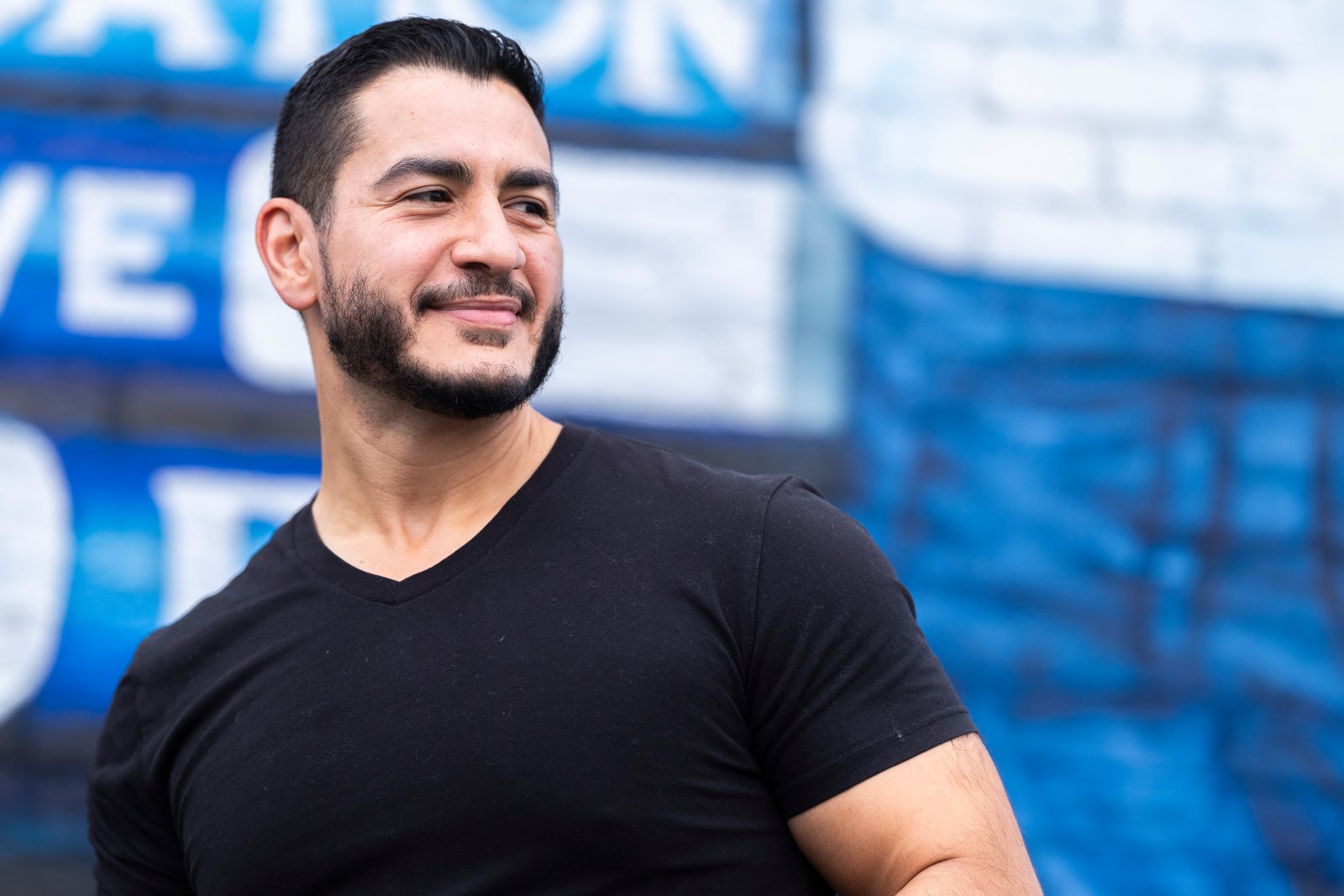
The recent Democratic Primary in Michigan drew considerable attention as the progressive faction emerged victorious. Dr. Abdul El-Sayed, a former state public health official, narrowly claimed the Democratic nomination, defeating Representative Haley Stevens. This race served as a reflection of the evolving dynamics within the Democratic Party, with debates centering on corporate influence, international relations, and government roles.
Michigan’s electoral landscape long mixed blue and red, supporting Donald Trump in 2024 but electing Democrat Elissa Slotkin to the Senate. Conventional belief suggested moderates drove this balance, unlikely to support the progressive El-Sayed. However, El-Sayed argued against this notion, indicating a shift in voter sentiment toward anti-establishment figures. He emphasized persistence on issues pivotal to his victory over Stevens.
El-Sayed’s position contrasts with traditional centrists. He views today’s swing voter not as a centrist but as an independent drawn to populist policies. His strategy targets these voters to counter former Representative Mike Rogers, the Republican Senate contender. Rogers, with ties to Trump’s 2016 coalition, represented old-school Republican pragmatism when in Congress from 2001 to 2015.
The changing political climate saw Michigan elect Trump in 2016, driven largely by working-class support. Meanwhile, Democrats maintained Senate control since 2001. Rogers critiqued El-Sayed’s status quo contributions, citing economic downtrends in Michigan under Democratic leadership. He emphasizes pragmatic solutions to revive jobs, education, and affordability.
“Abdul is part of the problem that got us here, and he would only send our state spiraling further,” Rogers stated, focusing on Democratic policy failures.
Despite recent Republican gains, reaching centrist voters remains vital for Rogers. He needs to sway those who backed Trump yet opted for centrists like Slotkin. Without Trump’s direct campaign presence in future elections, Rogers strives to attract diverse voter bases.
El-Sayed’s campaign underscores confronting establishment conventions by advocating populist, anti-corporate platforms. Tying Rogers to corporate influences, El-Sayed highlights his own outsider status as a strength, believing these approaches can appeal to disenchanted Democrats and independents.
While Rogers predicts skepticism toward El-Sayed’s views, pointing to the latter’s focus on international politics and corporate funding links, El-Sayed remains steadfast. He distances himself from controversial allies while accepting the need for unconventional support in a polarized era.
Pundits anticipate intense Democratic efforts to align post-primary strategies, despite intra-party tensions when prominent figures supported Stevens. The extent of backing El-Sayed garners from the Democratic apparatus remains uncertain. Meanwhile, criticisms of extremism persist around El-Sayed as he pushes against both party norms and opposing narratives.
El-Sayed’s campaign challenges party insiders dissatisfied with disrupting the status quo. His focus lies on resetting electoral dynamics by engaging with varied voter motivations, aiming to restore broader Democratic appeal. Facing widespread political disillusionment with establishment figures, the race epitomizes shifting conventional wisdom.
“If the establishment is so great at politics, we wouldn’t be talking about Donald Trump again, but here we are,” El-Sayed remarked, emphasizing a departure from political norms.