
Artificial intelligence in health care has been surrounded by a narrative where algorithms outperform humans in tasks like reading scans and triaging patients. However, this narrative is mostly inaccurate according to experiences from the National University Hospital, Singapore (NUH). Here, the focus is on what AI allows people to do, rather than the capabilities of the AI itself.
Technology is straightforward yet the real challenge lies in integrating AI with human workforces. To achieve effective collaboration, leadership becomes crucial. NUH aims to train ten percent of staff, across all job roles, in innovation and AI literacy. This includes diverse roles like cleaners, pharmacists, schedulers, and finance officers. A ten percent training threshold can shift culture, transforming innovation into a common practice.
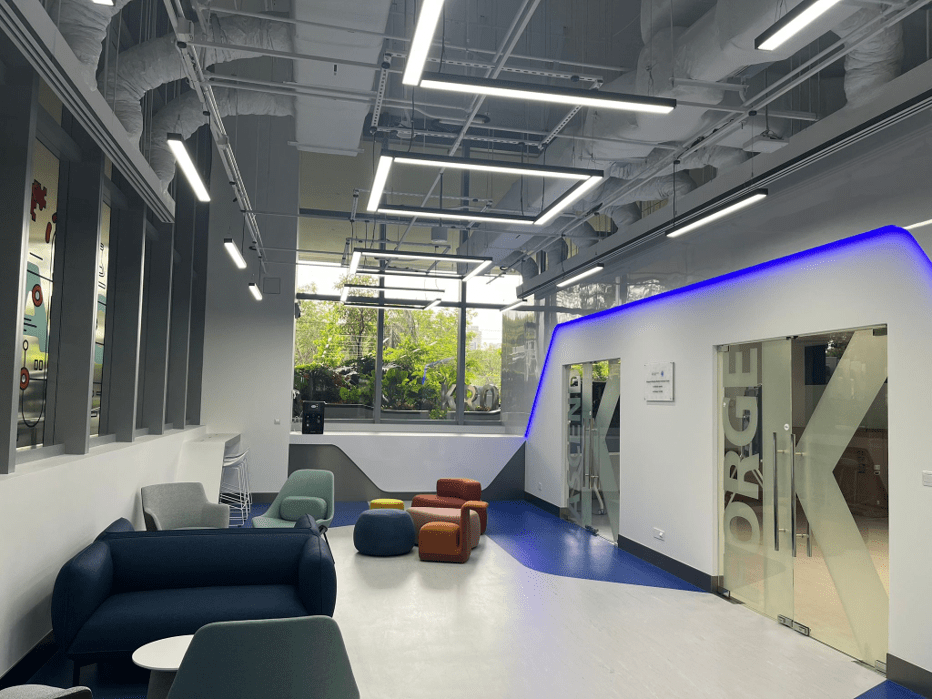
The Kent Ridge Office of Innovation (KROI) supports this ambition through three pillars: ASCEND, focusing on ongoing skill development; NEXUS, which emphasizes collaboration and process optimization; and FORGE, focusing on technology development and integration. These pillars recognize that AI failures in health care usually occur due to workflow issues, not technical ones.
Currently, 41 percent of the 10,700 staff at NUH have received training in AI applications for clinical and operational improvement. Furthermore, NUH has created an Innovation Hub where staff can test ideas, access new technologies, and collaborate across disciplines. The hub offers a space where innovation is tangible, encouraging multi-departmental collaboration.
NUH’s approach to AI mirrors mission command philosophy: clear intent and decentralized execution. It empowers frontline teams to identify meaningful AI use cases, fostering a digital workforce. AI agents handle routine paperwork, freeing up health care professionals to focus on patient care.
Staff time for thinking, listening, and being present with patients is invaluable. AI adoption demands increased human leadership, as algorithms lack the ability to make judgments or explain complex choices to patients.
Leaders now need to understand AI capabilities, evaluate model recommendations, and make informed decisions. This requires a new literacy where leaders are trained, practiced, and continuously updated.
Institutions ready for AI transformation will be those where people are co-authors of the technology, not merely users. Leadership is crucial for successful adoption, taking a human-centered and deliberate approach rather than focusing solely on budgets. The future hospital will feature skilled professionals backed by efficient AI systems.
Aymeric Lim is a member of the Newsweek CEO Circle, a community of executive subscribers.