
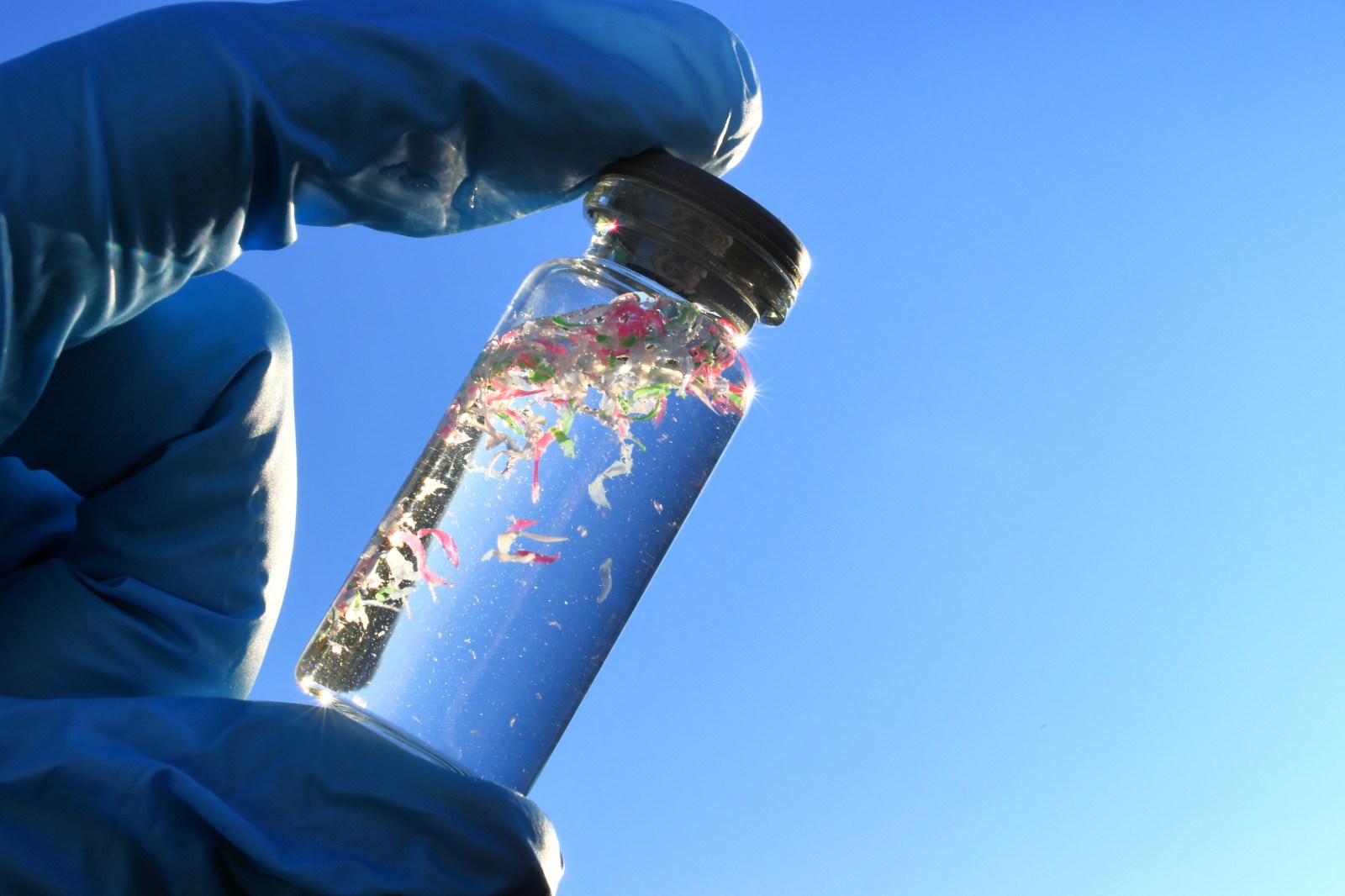
Recent research indicates that a type of plastic used extensively in food packaging may contribute to fatty liver disease. Scientists at Texas A&M University discovered that polyethylene—a commonly used plastic—increased symptoms of fatty liver disease and worsened the condition when combined with an unhealthy diet.
Polyethylene has traditionally been considered a biologically inert microplastic. However, the study has shown that its widespread use may have significant health implications. Microplastics like polyethylene, derived from larger plastic products, are pervasive in the environment and even found within the human body.
The Study of Polyethylene
Despite comprising around one-third of global plastic production, polyethylene’s impact on liver health has not been extensively studied. Dr. Adi Joshi, a study author and associate professor at Texas A&M University, highlighted this gap in research.
The research team aimed to assess whether polyethylene contributes to fatty liver disease, characterized by excessive fat accumulation in liver cells. Their findings showed that exposure to polyethylene increased markers of the disease, especially when linked with a diet common in Western countries, rich in burgers and sodas.
Polyethylene & Fatty Liver Disease
To delve deeper, researchers collaborated with the University of Oklahoma, using spatial transcriptomics to analyze gene activity. This technology helps identify precise locations of cell damage in the tissue. They pinpointed a protein called PPAR-alpha, crucial for regulating fat production in the liver, as a key player in the body’s reaction to polyethylene.
Additionally, the study noted the role of ANXA2, a gene involved in tissue repair, in the disease process.
Those with Western-style diets are more likely to develop fatty liver disease when exposed to polyethylene, according to Dr. Joshi.
Dr. Nhan Nguyen, uninvolved in the study, emphasized the need for attention to common household items containing microplastics, citing previous research linking microplastic exposure with aggravated liver disease in animal models. Although a direct causal link in humans remains unproven, polyethylene’s presence in human liver tissue makes these findings significant.
The specified biological pathways found in mice were already known in humans, suggesting potential relevance. However, Dr. Nguyen cautioned against drawing conclusions about human health without factoring in realistic human exposure levels.
What Happens Next
The study prompts further investigation into polyethylene’s impact on advanced liver disease stages such as fibrosis. Researchers plan to explore more molecular pathways in response to microplastics and consider modulating the PPAR-alpha pathway to alleviate harmful effects.
Such studies could raise public awareness of microplastics and environmental chemicals present in everyday products. As awareness grows, so may discussions regarding chemical dangers in our society.