
Fox News senior medical analyst Dr. Marc Siegel highlights the rising concern of Powassan virus, a rare tick-borne illness. This year, there have been 15 cases, after the 76 cases reported in 2025. He cautions parents to examine their children for ticks following summer camp and notes the absence of specific treatments or vaccines. Dr. Siegel suggests using insect repellents and wearing protective clothing to reduce risks during tick season.
A new tick-borne virus, Bourbon virus, has been confirmed in New York, raising concerns about undiagnosed infections. The virus is transmitted by the lone star tick. Stony Brook Medicine warned of potential diagnostic complications if the virus spreads.
Since its identification in Bourbon County, Kansas, in 2014, there have been six human cases, including two deaths. Researchers suspect more infections have occurred without being diagnosed. Bourbon virus symptoms include fever, fatigue, rash, headache, body aches, and nausea. The absence of a commercial diagnostic test complicates identification.
Healthcare providers often lack awareness of the virus, leading to possible misdiagnoses. A team from Stony Brook Medicine confirmed the first New York case in a Long Island patient, who exhibited severe symptoms and significant antibody increases. The patient was hospitalized.
Dr. Luis Marcos from Stony Brook Medicine emphasizes the need for better surveillance and testing to improve diagnosis and virus tracking. He underscores understanding the virus’s impact is crucial for developing diagnostics and treatments.
The CDC states the lone star tick is common in the Northeast, South, and Midwest U.S. The tick is an aggressive species found in many states, including Arkansas, Connecticut, and New York.
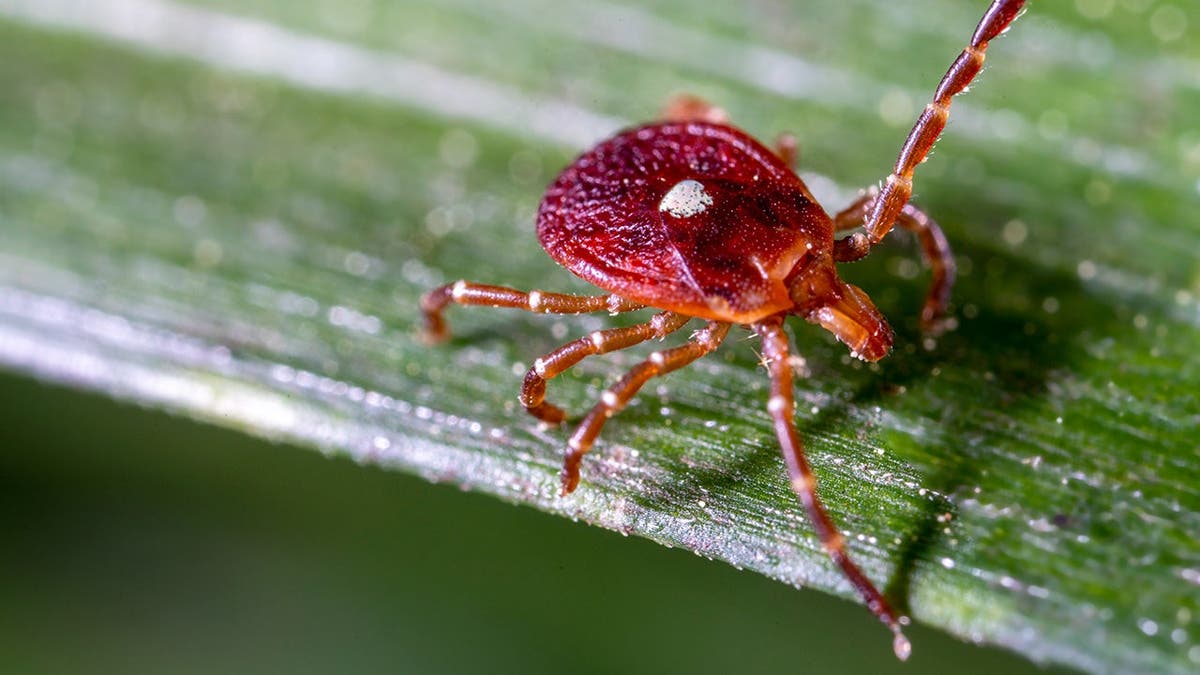
The adult female lone star tick has a white dot on her back and is known for frequently biting humans. To prevent bites, experts recommend wearing long sleeves and pants, using insect repellents, and avoiding overgrown areas.
Experts suggest applying insect repellent like permethrin on clothing and gear. People should avoid tall grass and stick to well-trodden paths. It is important to check for ticks after outdoor activities and remove them promptly. Seek medical advice if symptoms like fever or rash appear after a tick bite.